
HUMAN BRAIN
Unraveling the wonders of a human brain
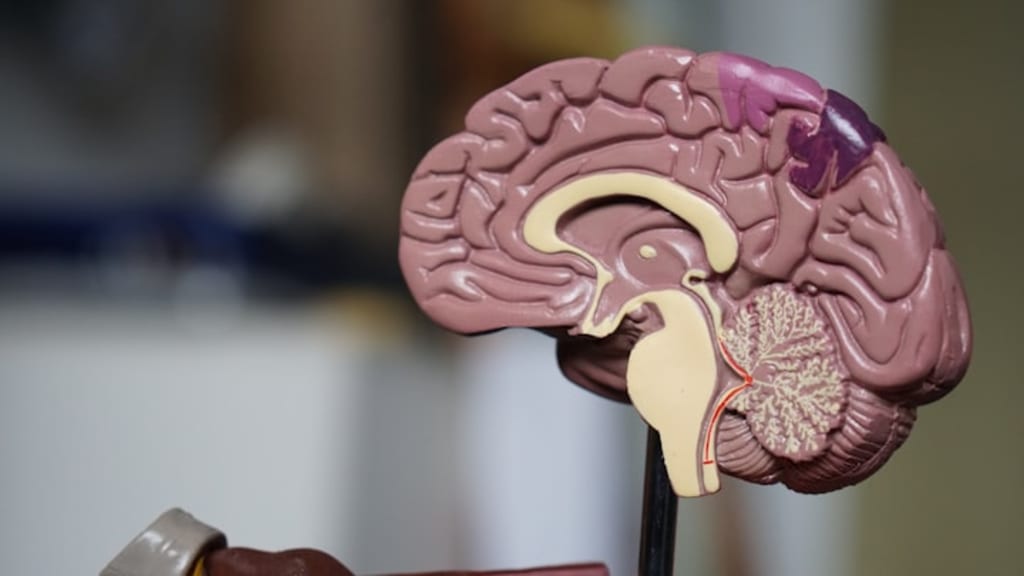
The human brain is one of the most complex and fascinating structures in existence, responsible for everything from basic survival to the most profound thoughts and emotions. Encased within the skull, this three-pound organ is the epicenter of our nervous system, coordinating all bodily functions, processing sensory information, and enabling us to interact with the world in ways that are as diverse as they are extraordinary.
### Structure and Organization
The brain is composed of approximately 86 billion neurons, the specialized cells that transmit information throughout the body. These neurons are interconnected by trillions of synapses, forming an intricate network that underpins all brain activity. The brain is divided into several major regions, each with distinct functions.
**The Cerebrum** is the largest part of the brain and is responsible for higher cognitive functions such as thinking, learning, memory, and decision-making. It is divided into two hemispheres, the left and right, which control opposite sides of the body. Each hemisphere is further divided into four lobes: the frontal, parietal, temporal, and occipital lobes. The frontal lobe is associated with reasoning, problem-solving, and emotions; the parietal lobe processes sensory information such as touch, temperature, and pain; the temporal lobe is involved in hearing, memory, and speech; and the occipital lobe is primarily responsible for vision.
**The Cerebellum**, located beneath the cerebrum at the back of the brain, plays a key role in motor control. It helps regulate balance, coordination, and fine motor movements, ensuring that our actions are smooth and precise.
**The Brainstem** connects the brain to the spinal cord and controls the most basic life-sustaining functions, including heart rate, breathing, and blood pressure. It acts as a relay center, transmitting signals between the brain and the rest of the body.
### The Magic of Neurotransmission
Neurons communicate with each other through electrical impulses and chemical signals. When a neuron is activated, it generates an electrical signal known as an action potential, which travels down its axon to the synapse, the gap between neurons. Here, the electrical signal triggers the release of neurotransmitters, which are chemical messengers that cross the synapse and bind to receptors on the neighboring neuron, thus transmitting the signal.
This process of neurotransmission underlies every thought, feeling, and action. Different neurotransmitters have different effects; for example, dopamine is associated with pleasure and reward, while serotonin influences mood and emotional regulation.
### The Brain’s Plasticity
One of the most remarkable features of the brain is its plasticity—the ability to change and adapt in response to experience. Neuroplasticity allows the brain to reorganize itself by forming new neural connections throughout life. This ability is crucial for learning, memory, and recovery from brain injuries. When we learn a new skill or acquire new knowledge, the brain strengthens existing synapses and forms new ones, essentially rewiring itself to store the information.
Plasticity is also the reason why rehabilitation is possible after brain damage. In many cases, other parts of the brain can take over the functions of damaged areas, allowing individuals to regain abilities that were lost.
### Consciousness and the Unconscious Mind
The human brain is the seat of consciousness, the state of being aware of and able to think about oneself and the environment. Consciousness is a product of the brain's complex activity, involving multiple regions working together to process information, generate thoughts, and create a coherent sense of self.
Beneath the surface of conscious thought lies the unconscious mind, which influences behavior, emotions, and decision-making without our awareness. The unconscious mind stores memories, instincts, and desires, and it often guides our actions in subtle ways.
### The Future of Brain Science
Advances in neuroscience are continually expanding our understanding of the brain. Technologies like functional MRI (fMRI) and electroencephalography (EEG) allow scientists to observe the brain in action, revealing how different regions work together during various tasks. Research into neurodegenerative diseases, such as Alzheimer's and Parkinson's, is also paving the way for new treatments that could one day restore lost functions or even prevent these conditions altogether.
The brain remains one of the greatest frontiers in science. As we continue to explore its mysteries, we are likely to uncover even more extraordinary insights into what it means to be human. The brain is not just an organ; it is the essence of who we are, the seat of our thoughts, emotions, and identity, and the key to our understanding of the universe around us.
About the Creator
Keep reading
More stories from Sharon Chebet and writers in Education and other communities.
ROMAN NUMERALS AND ZERO
The Roman numeral system, one of the oldest numeral systems still recognized today, has a distinct feature that sets it apart from many other numerical systems: it has no symbol for the number zero. This absence is rooted in the historical context and practical applications of Roman numerals, reflecting the mathematical and philosophical outlook of ancient Roman society.
By Sharon Chebet2 years ago in Education
NCLEX Study Plan: A Step-by-Step Guide for Nursing Students
Preparing for the NCLEX-RN is one of the most important milestones in the nursing students’ career. This is because the NCLEX is the final step before nursing students can become licensed nurses. However, it is not as easy as simply reading nursing textbooks and taking notes from class lectures. This is because the NCLEX is designed to test the nursing students’ clinical judgment and decision-making skills.
By Sulcus Learning4 days ago in Education
How the Sun Influences Climate: The Hidden Force Shaping Earth’s Weather and Environment
Every morning, sunlight spreads across the horizon, warming the land, oceans, and atmosphere. It feels simple and familiar, yet this daily event is driven by one of the most powerful forces shaping our planet: the Sun.
By shahkar jalalabout 3 hours ago in Education




Comments (2)
Thanks for sharing
Interesting piece