
HRM Systems: The Unsung Hero Behind Every Thriving Company
HRM System

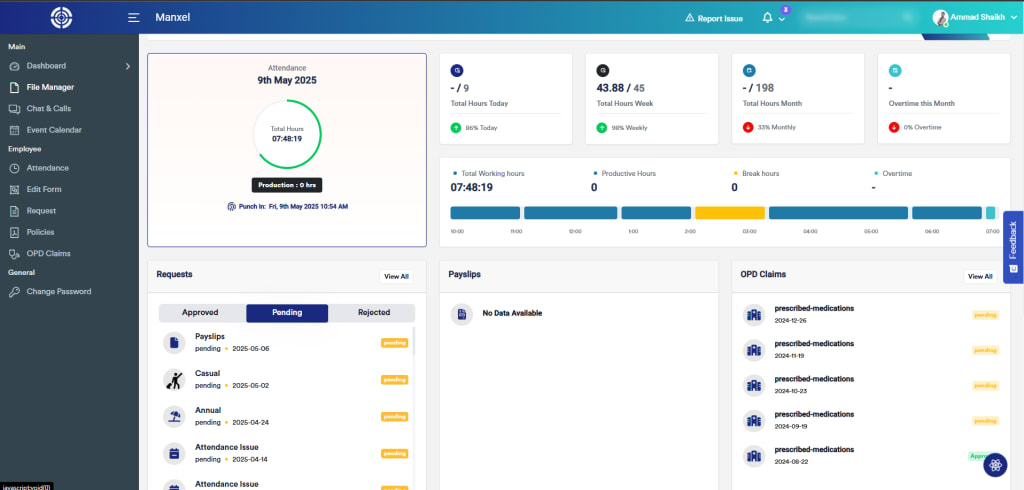
HRM Systems: The Unsung Hero Behind Every Thriving Company
In a world where technology drives progress and people power organizations, one silent engine keeps everything running smoothly behind the scenes: the Human Resource Management System (HRMS).
You might not see it, but it's there—keeping payroll accurate, streamlining hiring, tracking performance, and making sure your favorite company’s employees are happy, productive, and heard.
Welcome to the digital backbone of modern business.
What Exactly Is an HRM System?
Think of an HRM system as the central nervous system of a company’s workforce operations. It’s a software platform that helps businesses manage their people—automating core HR tasks like:
* Hiring and onboarding
* Attendance and leave tracking
* Payroll and benefits
* Employee evaluations
* Learning and development
* Compliance and documentation
What used to take hours of paperwork and Excel spreadsheets now happens with a few clicks.
Why Every Modern Business Needs One
Let’s be honest—people management is messy.
Hiring the right candidates, tracking leaves, keeping up with changing tax laws, evaluating performance fairly—it’s a juggling act. HRM systems turn that chaos into clarity.
1. Time is Money
By automating repetitive tasks, HRM systems free up your HR team to do what they do best: support and grow your people.
2. No More Guesswork
Smart analytics help managers make informed decisions. Want to know why your top talent keeps leaving? Or which department has the best performance metrics? Your HRM system knows.
3. Employees Want Control
Today’s workforce expects transparency. Self-service portals let employees check payslips, request leave, or update their info—without sending five emails.
4. Staying Compliant is Easier
Labor laws are complex. One missed update can cost a fortune. HRM systems help companies stay on the right side of regulations, with automated compliance tracking.
The Must-Have Features of a Modern HRM System
Every organization is unique, but great HRM systems tend to offer:
✅ Applicant Tracking System (ATS)
✅ Employee Self-Service Portal
✅ Payroll & Tax Calculations
✅ Performance Management Tools
✅ Time & Attendance Tracking
✅ Training Modules
✅ HR Dashboards & Analytics
The best systems are cloud-based, secure, and scalable. They grow with your company—and help your people grow too.
The Hidden ROI of HRM Systems
Let’s talk impact.
Companies that use an HRM system often see:
* 30% faster hiring cycles
* 40% fewer HR errors
*Up to 50% improvement in employee satisfaction
*Lower turnover rates
Better alignment between HR strategy and company goals
It’s not just about managing people—it’s about **empowering them**.
-Real Talk: The Challenges
Of course, no tech solution is perfect. Implementing an HRM system comes with challenges:
* **Cost**: Upfront software costs can scare small businesses
* **Resistance to change**: Not everyone likes new systems
* **Learning curve**: Teams need time to adjust
* **Security concerns**: Sensitive data must be protected
But the long-term benefits? They far outweigh the hurdles.
The future is here, and it’s smart.
AI is transforming how companies screen resumes, track employee sentiment, and even predict turnover risks. Chatbots are handling employee queries. Mobile apps are giving managers real-time HR insights.
In a hybrid world, cloud-based and mobile-friendly HRM systems aren’t a bonus—they’re non-negotiable.
About the Creator
Ejaz Hussain
Email marketing | SEO |Blog
Keep reading
More stories from Ejaz Hussain and writers in Education and other communities.
How Email Marketing Companies in Pakistan are Revolutionizing Customer Engagement in 2024.
This is so, given that in the year 2024 the business environment continually encourages new approaches that enable communication with customers. One of the best and long-standing approaches is still email marketing. The growth of an electronic communication industry has been noticed in Pakistan and the companies present in the country have accepted the challenge of using the more novel technologies coupled with innovativeness in your strategies for managing the engagement level of the customer. This blog is focused on how these companies are revolutionizing the your businesses communication, making them more targeted, effective and Return on Investment (ROI) intensive.
By Ejaz Hussain2 years ago in Education
What Should Be Your Main Focus During an Online Limited Radiology Tech Program
Well, the short answer is that there is not a single module that you should strictly focus on. If you want to become a X-ray technician, you need to develop both technical and soft skills.
By Meaghan Howe4 days ago in Education
Precision in Motion: The Rise of Sport Shooting and Firearms in Modern Competition
Sport shooting has grown from a simple test of aim into a structured sport that demands discipline, patience, and technical skill. Today, sport shooting and firearms play a major role in global competitions, training programs, and recreational events. Athletes train for years to improve accuracy and control. They study equipment, posture, breathing, and focus. Because of this dedication, sport shooting has become a respected sport that rewards precision and calm thinking.
By Matthew Pothoff3 days ago in Education




Comments
There are no comments for this story
Be the first to respond and start the conversation.