
How Vision, Mission and Culture is Building a Strong Foundation in a Nursery
Vision, Mission, and Culture

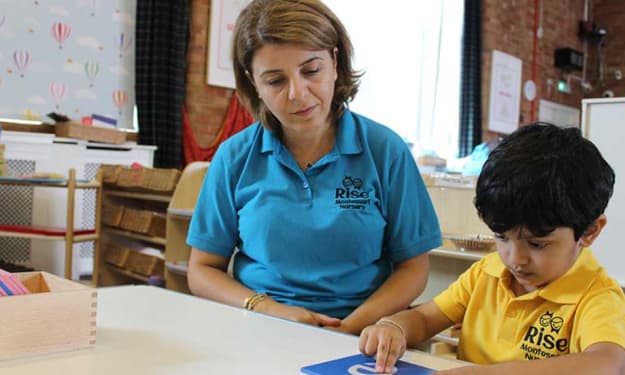
When you walk into a nursery, whether it’s for your child or you’re a part of the team, there’s a sense of warmth, care, and excitement in the air. Children laughing, educators guiding them through their day, and an overall sense of nurturing this is what makes nurseries such an essential part of a child’s early years. But behind the scenes, there’s more than just good intentions and a safe environment. There’s a strong foundation of vision, mission, and culture that shapes how everything functions and ensures that every child’s experience is the best it can be.
Let’s explore these three elements in the context of a nursery setting and why they matter so much.
Vision: Shaping the Future of Young Minds
In any educational setting, a vision plays a vital role in providing direction. For a nursery, the vision is all about what the nursery hopes to achieve in the long term. It’s not just about providing a safe place for children to spend their days it’s about the kind of future they want to create for those children.
A nursery’s vision might include fostering creativity, building a love for learning, or helping children develop essential life skills. It could focus on creating a diverse and inclusive environment, where every child, regardless of background, is given the opportunity to thrive.
For example, a nursery’s vision might be: “To nurture every child’s potential through creative play, compassionate care, and a commitment to developing lifelong learners.” This vision is clear, aspirational, and forward-thinking. It paints a picture of a nursery where children aren’t just cared for they are inspired to grow and develop into confident, curious individuals.
A strong vision provides direction for teachers and caregivers, helping them understand that their work goes beyond just filling the day with activities. Every decision, every lesson, every interaction should reflect the goal of helping children build a strong foundation for the future. It’s what ties everything together and keeps the nursery on course.
Mission: Why We Do What We Do
While the vision is focused on the future, the mission is about the here and now. It describes the nursery’s purpose and how it will achieve its vision in the present. The mission is the practical, day-to-day plan that outlines what the nursery stands for, the values that guide its operations, and how it aims to support children’s development.
For a nursery, the mission could focus on creating a stimulating and safe environment where children feel loved and valued, encouraging them to explore, play, and learn. It might include goals such as building strong relationships with parents, promoting early social skills, or introducing children to basic concepts in fun and engaging ways.
An example of a nursery mission statement might be: “To provide a nurturing environment where children are encouraged to explore, learn, and grow at their own pace, supported by passionate, qualified caregivers who value each child’s uniqueness.” This mission tells everyone involved teachers, staff, parents, and children exactly what the nursery aims to achieve in the short term. It’s about building trust, supporting development, and creating a space where children feel safe to be themselves.
The mission guides the way staff interact with children, plan activities, and communicate with parents. It’s the foundation for creating positive learning outcomes and setting the stage for a child’s educational journey.
Culture: The Heartbeat of the Nursery
If the vision and mission provide the framework for what a nursery aspires to be and do, then culture is what makes everything come to life. Culture is the environment created within the nursery, shaped by the values, behaviors, and attitudes of everyone involved staff, parents, and children. It’s the invisible force that determines how people feel when they enter the nursery and how they interact with one another.
In a nursery, culture can be described as the atmosphere of warmth, care, and respect that permeates every corner. It’s the way children are greeted in the morning, how staff approach challenging behaviors, and how parents are included in the learning process. Culture isn’t just about what’s written in policies it’s felt in every interaction and every moment of the day.
For example, a nursery with a culture of inclusivity might ensure that every child feels respected and valued, regardless of their background, abilities, or challenges. This could mean having diverse books and materials, promoting empathy and understanding through stories and activities, and ensuring all children are encouraged to participate, no matter their developmental stage.
A culture of collaboration might encourage staff to work closely together, sharing ideas and strategies to ensure each child gets the most out of their experience. It might also involve ongoing professional development to make sure caregivers are always improving and learning new ways to support children's growth. When staff share a strong sense of purpose and mutual respect, it creates an environment where children feel secure, confident, and excited to explore the world around them.
Creating a positive culture is essential for both the staff and children. A happy, engaged, and supported staff will pass that positivity on to the children, creating a cycle of well-being and growth. And just as importantly, the nursery’s culture has a lasting impact on the children. They absorb everything the way staff communicate, how they treat each other, and how they treat the children. This, in turn, shapes the child’s own behavior and attitudes, creating the foundation for their future social interactions.
Why Vision, Mission, and Culture Matter in a Nursery
When a nursery has a clear vision, a focused mission, and a strong culture, it creates an environment where children feel loved, nurtured, and inspired to learn. These three elements work together to ensure that the nursery is not just a place for daycare, but a vibrant community where every child’s potential is recognized and fostered.
For parents, knowing that the nursery has a strong vision and mission gives them peace of mind that their child is in a place that values learning and development. For staff, these elements provide clarity and motivation, helping them understand their role in the bigger picture. And for children, a supportive culture ensures that they are safe, happy, and ready to take on the world, one step at a time.
In the end, vision, mission, and culture in nursery are the heart and soul of any successful nursery. They are the foundations upon which a child’s early education is built and the values that will stay with them for years to come.
About the Creator
Keep reading
More stories from Rise nursery and writers in Education and other communities.
Why British Sign Language in Nursery is a Game-Changer
In today’s increasingly diverse and inclusive world, it’s vital to equip children with the tools they need to communicate effectively. One of the most powerful yet often overlooked tools is British Sign Language (BSL).
By Rise nurseryabout a year ago in Education
E-Invoicing as a Catalyst for Digital Taxation and Business Efficiency in this Digital Era
Introduction In today’s rapidly evolving digital economy, businesses and governments are increasingly turning to technology to improve efficiency, transparency, and compliance. One of the most significant developments in this transformation is electronic invoicing, commonly known as e-invoicing. E-invoicing refers to the generation, exchange, validation, and storage of invoices in an electronic format between suppliers and buyers, often through government-mandated platforms or standardized systems.
By Bobby Yadavabout 4 hours ago in Education
How to Create Secure Passwords: Guide
Every day, millions of people log in to email accounts, social networks, banking apps, and work platforms without giving much thought to what protects their digital lives. The password, a simple string of characters, stands between personal data and potential intruders. Yet despite its importance, weak password practices remain one of the leading causes of account breaches worldwide.
By News Trends Go7 days ago in Education



Comments
There are no comments for this story
Be the first to respond and start the conversation.