
How Tokenized Real Estate Is Redefining Property Investment for Sophisticated Investors
Exploring How Blockchain-Based Property Tokens Are Reshaping Access, Liquidity, and Portfolio Strategy for Modern Investors

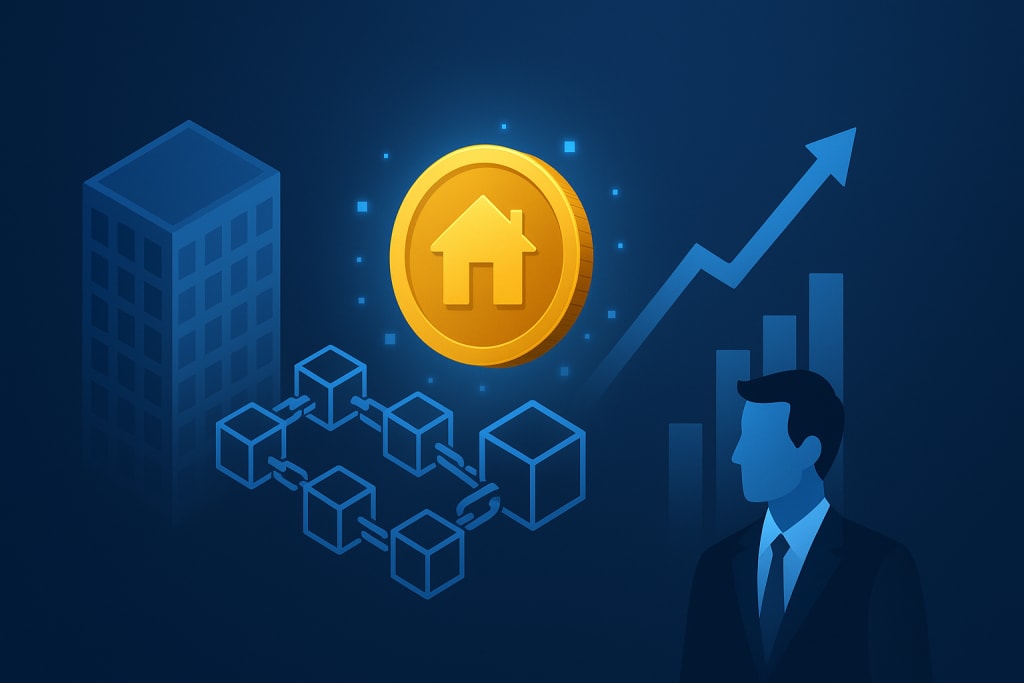
The real estate market has long been a cornerstone of wealth creation, offering opportunities for income generation, capital appreciation, and portfolio diversification. However, traditional property investment has historically been limited by high entry costs, illiquidity, geographic constraints, and cumbersome administrative processes. High-net-worth individuals and institutional investors often face challenges accessing premium properties or diversifying portfolios efficiently. The advent of tokenized real estate is transforming this landscape, providing sophisticated investors with a modern, flexible, and secure way to access property markets. By leveraging blockchain technology, tokenized real estate enables fractional ownership, global market access, and enhanced transparency, fundamentally redefining how investors approach property investment.
Understanding Tokenized Real Estate
Tokenized real estate refers to the process of converting physical property ownership into digital tokens on a blockchain. Each token represents a fractional share of the property, entitling the holder to proportional ownership rights, income streams, and potential appreciation. These tokens are secure, tradable, and programmable, allowing investors to access and manage real estate investments in a way that is transparent, efficient, and tailored to modern investment strategies.
Key Features of Tokenized Real Estate
Fractional Ownership: Investors can acquire portions of high-value properties, reducing capital requirements and enabling diversification across multiple assets.
- Liquidity: Tokens can be traded on digital marketplaces, providing faster and more flexible entry and exit than traditional real estate.
- Transparency: Blockchain ensures clear, immutable records of ownership, transaction history, and legal compliance.
- Programmability: Smart contracts can automate rental income distribution, voting, or asset management decisions, enhancing efficiency.
- Global Access: Investors from different countries can participate without navigating complex cross-border legal and financial hurdles.
These features make tokenized real estate an attractive option for sophisticated investors seeking flexibility, diversification, and efficiency while maintaining control over high-value assets.
Why Sophisticated Investors Are Embracing Tokenized Real Estate
The traditional barriers to real estate investment, such as high upfront costs, illiquid markets, and administrative complexity, have long limited the participation of even seasoned investors. Tokenized real estate addresses these constraints, offering solutions that appeal to sophisticated investors with specific objectives in mind.
1. Lower Barriers to Entry
Investing in high-value commercial properties, luxury residences, or prime real estate markets often requires substantial capital, which can limit opportunities to institutions or ultra-high-net-worth individuals. Tokenization enables fractional investment, allowing investors to buy only a portion of a property. For instance, a commercial office building valued at $10 million can be divided into 10,000 tokens, each representing a $1,000 investment. This democratization allows sophisticated investors to access premium assets without committing excessive capital while spreading risk across multiple properties.
2. Enhanced Liquidity
Liquidity has traditionally been a major challenge in real estate. Selling or buying property can take months, involve multiple intermediaries, and incur high transaction costs. Tokenized real estate introduces secondary marketplaces where tokens representing property shares can be traded efficiently. Investors can enter and exit positions more quickly, similar to trading stocks, which increases flexibility and enables more agile portfolio management.
3. Transparent Ownership and Governance
Blockchain-based tokenization ensures immutable, auditable ownership records, reducing the risk of fraud and simplifying due diligence. Investors can verify their stake in the property, track income distributions, and participate in governance decisions such as property management choices or renovations. Transparency builds confidence among sophisticated investors, who rely on accurate, timely information to make strategic investment decisions.
4. Global Diversification
Tokenized real estate removes geographic constraints, enabling investors to access properties in multiple countries without dealing with complex cross-border legal frameworks or currency conversions. Sophisticated investors can diversify across regions, property types, and asset classes, reducing concentration risk and capitalizing on emerging markets that were previously difficult to access.
5. Streamlined Income Distribution
Rental income or profits from property appreciation can be automatically distributed via smart contracts. This ensures that payments are timely, accurate, and proportional to each investor’s token holdings. For sophisticated investors managing large portfolios, automation reduces administrative overhead and provides predictable cash flows, which is essential for financial planning and portfolio optimization.
6. Data-Driven Investment Decisions
Digital platforms supporting tokenized real estate provide detailed analytics on property performance, market trends, and asset utilization. Investors can leverage these insights to optimize asset allocation, identify high-potential opportunities, and make strategic adjustments in real time. For sophisticated investors, the ability to access granular data and performance metrics enhances decision-making and improves risk management.
Practical Applications of Tokenized Real Estate
Tokenization is not limited to a single property type or investment strategy; it spans residential, commercial, and even digital properties. Here are some prominent use cases:
Fractional Ownership of Commercial Properties
Commercial office buildings, shopping centers, and industrial facilities can be tokenized, allowing multiple investors to share ownership. Fractional investment spreads risk and enables participation in high-value commercial assets that were previously restricted to large institutional investors. Rental income is distributed proportionally, and blockchain ensures transparency in revenue and governance.
Residential Real Estate Investments
Luxury homes or multi-unit residential complexes can be tokenized, allowing investors to access high-demand markets with smaller capital allocations. Fractional ownership also enables co-investment strategies, syndication, and shared property management responsibilities, making high-end residential properties accessible to a broader set of investors.
Real Estate Funds and REITs
Tokenized real estate funds or REITs allow investors to gain exposure to a diversified portfolio of properties through digital tokens. Each token represents a proportional stake in the fund, providing liquidity, governance, and automated income distribution. Investors benefit from professional management while retaining flexibility and access to detailed performance data.
Virtual Real Estate in the Metaverse
Beyond physical properties, virtual real estate in metaverse platforms can also be tokenized. Investors can acquire, lease, or trade virtual land and digital assets, creating additional revenue streams and diversifying portfolios. Sophisticated investors with an interest in emerging digital markets can benefit from early adoption and speculation on virtual property value appreciation.
Benefits Over Traditional Real Estate Investment
Tokenized real estate introduces advantages that go beyond fractional ownership and liquidity. Some of the key benefits for sophisticated investors include:
- Operational Efficiency: Reduced reliance on intermediaries, simplified transactions, and automated income distributions streamline investment management.
- Portfolio Flexibility: Investors can adjust allocations, scale investments, and rebalance portfolios by trading tokens rather than entire properties.
- Enhanced Transparency: Blockchain provides immutable and auditable records for all transactions, ownership changes, and income distributions.
- Access to Institutional-Grade Assets: Smaller investors can access high-value commercial, residential, and digital properties that were previously restricted.
- Programmable Governance: Smart contracts enable automated compliance, voting, and decision-making processes.
- Diversification Opportunities: Investors can simultaneously participate in multiple markets, property types, and geographic regions.
Cost Reduction: Fewer intermediaries and streamlined processes reduce fees and operational costs associated with traditional property investment.
Challenges and Considerations
Despite its potential, tokenized real estate is not without challenges. Sophisticated investors must carefully evaluate platforms, legal frameworks, and market conditions:
Regulatory Compliance: Securities and property laws vary by jurisdiction, requiring careful structuring and legal due diligence.
Platform Reliability: The security, stability, and transparency of tokenization platforms are critical to protect investments.
Market Liquidity: Secondary markets for tokenized assets may still be developing, potentially affecting exit strategies.
Valuation Accuracy: Ensuring fair market value for tokenized assets is essential to maintain investor confidence.
Technology Adoption: Investors must navigate digital wallets, blockchain transactions, and platform interfaces efficiently.
Risk of Cyber Threats: As with any digital asset, tokenized properties may be vulnerable to hacking or platform exploitation if security measures are insufficient.
Addressing these considerations ensures that tokenized real estate delivers both innovation and security for sophisticated investors.
The Future of Tokenized Real Estate
Tokenized real estate is set to redefine property investment in the coming years, offering innovations that further enhance its appeal to sophisticated investors:
- Integrated Digital Platforms: Comprehensive platforms will combine investment management, governance, analytics, and marketplace functions in a single interface.
- Secondary Market Maturity: Liquidity and trading of tokens will continue to improve, enabling faster capital rotation and portfolio adjustments.
- Institutional Adoption: Banks, asset managers, and REITs will increasingly adopt tokenization to expand their offerings and improve efficiency.
- Global Investment Portfolios: Investors will increasingly combine properties across continents, markets, and asset types for optimal diversification.
- Hybrid Physical and Digital Assets: Virtual real estate, tokenized buildings, and traditional properties will coexist in investment strategies, broadening opportunities and revenue streams.
The convergence of blockchain technology, tokenization, and real estate is creating a more accessible, efficient, and transparent market, positioning sophisticated investors to capitalize on both traditional and emerging property markets.
Conclusion
Tokenized real estate is transforming property investment for sophisticated investors by addressing the limitations of traditional real estate, including high entry costs, illiquidity, geographic restrictions, and administrative inefficiencies. By providing fractional ownership, programmable governance, global access, and immutable transparency, tokenization enables modern investors to engage with real estate in a flexible, secure, and efficient manner.
Sophisticated investors benefit from the ability to diversify portfolios across multiple properties and geographies, optimize liquidity, leverage data-driven insights, and participate in governance decisions—all while enjoying reduced administrative complexity. As secondary markets mature and institutional adoption grows, tokenized real estate is poised to become a mainstream investment avenue, redefining wealth creation and portfolio management strategies for the modern investor.
About the Creator
Gabrielle
Blockchain enthusiast and NFT writer dedicated to merging technology with art on decentralized platforms, driving innovation for a creative future. Embracing the potential of digital expression.
Kiranmala: The tale of Princess Who conquered Magic Mountain
Long ago, in a land far away, the queen was panicked, her grasp on reality seemingly slipping. She had given birth to two boys and one girl. But to her horror, before even meeting their father, each child vanished, something else taking their place. She faced accusations of witchcraft and demon sorcery. And though the king loved her, he was easily swayed. He soon grew doubtful and banished his wife, who left the kingdom in anguish. Little did they know, the queen’s jealous sisters were the ones to replace the newborns
By Munesh Yadavabout 6 hours ago in Education
Restored to Its Roots: The Homecoming of a Historic Waterwheel
The quiet sound of rushing water once again spins a historic waterwheel in its original location. After decades of absence, the wheel has returned to the same stream it once relied on for power, bringing a sense of closure and continuity to a community that never forgot its value. This return marks not just the restoration of a structure but the revival of a piece of living history.
By Grady Gastonabout 11 hours ago in Education
Center Stage with Paul Stewart
*** I'm keen to republish the interviews I did for my series with Vocal creators. It's been a few years and I thought it might be nice to revisit these wonderful conversations. I'll be releasing them one at a time for a few weeks/months.
By Heather Hubler4 days ago in Interview




Comments
There are no comments for this story
Be the first to respond and start the conversation.