
How to Use English Language Techniques for Better Writing in 2025
Learn key English language techniques to boost your 2025 writing—whether for essays, articles, or digital content, clear communication sets you apart.

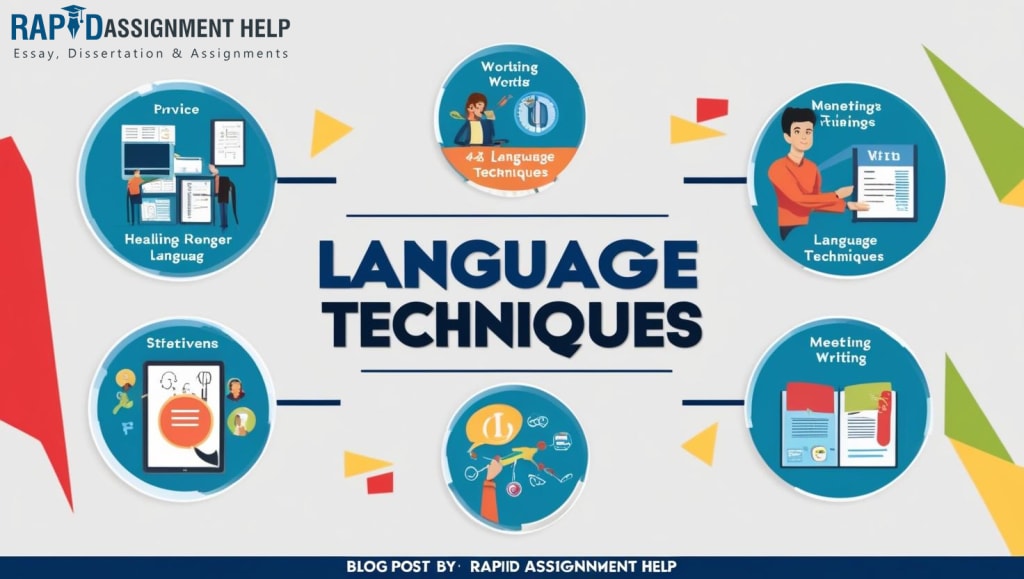
🧠 What Are English Language Techniques?
English language techniques are stylistic tools and methods used by writers to make their writing more engaging, persuasive, or emotionally impactful. They help structure ideas, emphasize meaning, and connect with readers on deeper levels.
Some techniques are basic (like repetition or rhetorical questions), while others involve advanced skills (like irony, juxtaposition, or emotive language). Regardless of your writing level, knowing how and when to use them is essential.
📚 Why They Matter in 2025
In today’s digital-first environment:
Readers skim more than they read.
AI-generated content makes human creativity more valuable.
Clear and engaging writing is vital for standing out—especially in education, business, and online spaces.
Using English language techniques not only improves your grammar and clarity, but also gives your writing a unique voice—something AI cannot replicate easily.
✍️ Top English Language Techniques and How to Use Them
Here are the most important techniques you should master and apply in 2025:
1. Alliteration
Definition: Repetition of consonant sounds at the beginning of words.
Purpose: Adds rhythm and makes phrases memorable.
Example:
“Brilliant brains build better businesses.”
Where to use: Headlines, creative writing, brand messaging.
2. Metaphor and Simile
Definition:
A metaphor directly compares two unrelated things.
A simile uses “like” or “as” to compare.
Purpose: Creates vivid imagery and emotional impact.
Example:
Metaphor: “Her voice was velvet.”
Simile: “His mind is like a steel trap.”
Where to use: Essays, speeches, personal statements, storytelling.
3. Repetition
Definition: Deliberate reuse of words or phrases for emphasis.
Example:
“We must work hard. We must stay focused. We must not give up.”
Use it to:
Reinforce key messages
Build emotional rhythm
Persuade or inspire
4. Emotive Language
Definition: Words that trigger emotional responses in the reader.
Example:
“The innocent child sobbed as her home burned.”
Application in 2025: Use emotive language in persuasive writing, narrative essays, or digital content to create a lasting impression.
5. Rhetorical Questions
Definition: Questions that don’t need answers—they provoke thought.
Example:
“Isn’t it time we changed the system?”
Tip: Use sparingly to engage the reader or add power to arguments.
6. Juxtaposition
Definition: Placing two contrasting ideas side by side to highlight differences.
Example:
“She lived in a palace but felt like a prisoner.”
Effect: It creates tension, contrast, and strong visuals.
7. Anecdote
Definition: A short, personal story used to illustrate a point.
Example:
“When I was 10, I struggled to read a full sentence. Now I’m publishing my first book.”
Use for: Speeches, introductions, persuasive essays, or blog posts to build connection and credibility.
8. Hyperbole
Definition: Exaggeration for emphasis or dramatic effect.
Example:
“I’ve told you a million times!”
Use it carefully—too much can weaken your message. Ideal for informal or persuasive writing.
9. Facts and Statistics
Definition: Using data to back up an argument.
Example:
“85% of students say language techniques improved their writing.”
Why it works: Builds trust and authority in argumentative or informative writing.
10. Tricolon (Rule of Three)
Definition: Using three elements in a sentence for impact.
Example:
“Learn it, apply it, master it.”
This technique enhances flow and memorability—great for speeches or slogans.
11. Tone and Register
Definition: The mood or attitude conveyed in your writing.
Formal tone: Academic essays, professional reports
Informal tone: Blogs, emails, stories
Adapt your tone to suit your audience and platform.
12. Irony
Definition: When the intended meaning is opposite to the literal one.
Example:
“Oh great, another homework assignment—just what I needed.”
Adds wit, sarcasm, or dramatic tension when used carefully.
13. Inclusive Language
Definition: Words that make the audience feel part of a group.
Example:
“We all have the power to make a difference.”
Perfect for motivational content, community campaigns, and persuasive writing.
14. Anaphora
Definition: Repetition of the first part of a sentence.
Example:
“We will rise. We will fight. We will win.”
Great for building emotional momentum in speeches and arguments.
15. Rolfe’s Reflective Model
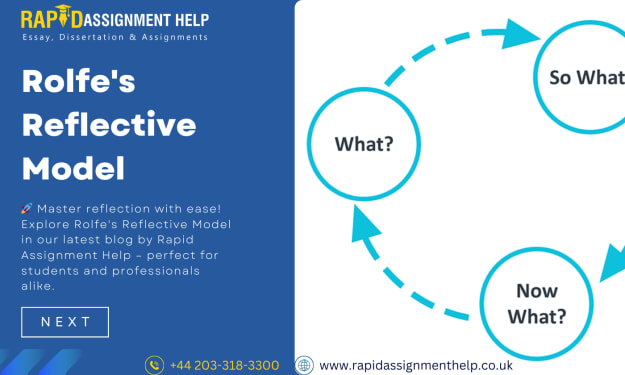
While primarily used in reflective writing, Rolfe’s Reflective Model encourages critical thinking by prompting writers to ask: “What?”, “So what?”, and “Now what?” This structured reflection helps students and professionals improve clarity, self-awareness, and personal growth through writing.
📘 How to Practice These Techniques in 2025
Use AI tools (like Grammarly or QuillBot) to analyze tone and structure.
Read modern content—study ads, speeches, blogs to see techniques in action.
Rewrite paragraphs using 2–3 techniques and compare impact.
Ask ChatGPT to give you technique-based writing exercises!
Reflect on your writing using a model like Rolfe’s to identify strengths and areas for growth.
Conclusion: Mastering Expression in the Age of Information
In 2025, writing isn’t just a skill—it’s your personal power tool. Whether you're building a career, creating content, or completing assignments, English language techniques elevate your communication, boost clarity, and give your words lasting impact.
Take time to explore, apply, and master these techniques. Great writing begins with intention—and you now have the tools to make every word count.
About the Creator
Katherine Salvator
I’m Katherine Salvator — a writer at Rapid Assignment Help with a love for words, research, and storytelling. I write to inspire, inform, and connect through articles on education, fashion, lifestyle, and everything in between..
Keep reading
More stories from Katherine Salvator and writers in Education and other communities.
The Secret to Growth: Rolfe’s Reflective Model Explained
Introduction In today’s fast-paced world, personal and professional development often hinges on one essential skill: the ability to reflect meaningfully on our experiences. Among the many frameworks available for reflective practice, one stands out for its simplicity and profound impact — Rolfe’s Reflective Model.
By Katherine Salvator9 months ago in Education
Ghana's Arch and St. Louis Arch
As what I'm looking into this I am seeing that IShowSpeed is showing alot of cool things coming out of Africa. What really made me take a look twice was the Independence Arch in Ghana. As He is in Ghana today it really made me look at it like well I wonder why it's there and what it means. Here's what I found out.
By Erica Williams5 days ago in Education
Killing him slowly
There’s an intruder in my house again. He stumbles through the door, wet carrier bags in hand. He’s bought me offerings. I show my appreciation, letting him caress my beautiful body. He wants to touch me. I rub myself against his legs. He sighs, dropping the bags. He can’t resist touching me. Running his hand slowly down my spine, I arch my back towards his caress, let out a low purr. It’s what we both need.
By N J Delmas3 days ago in Horror



Comments
There are no comments for this story
Be the first to respond and start the conversation.