

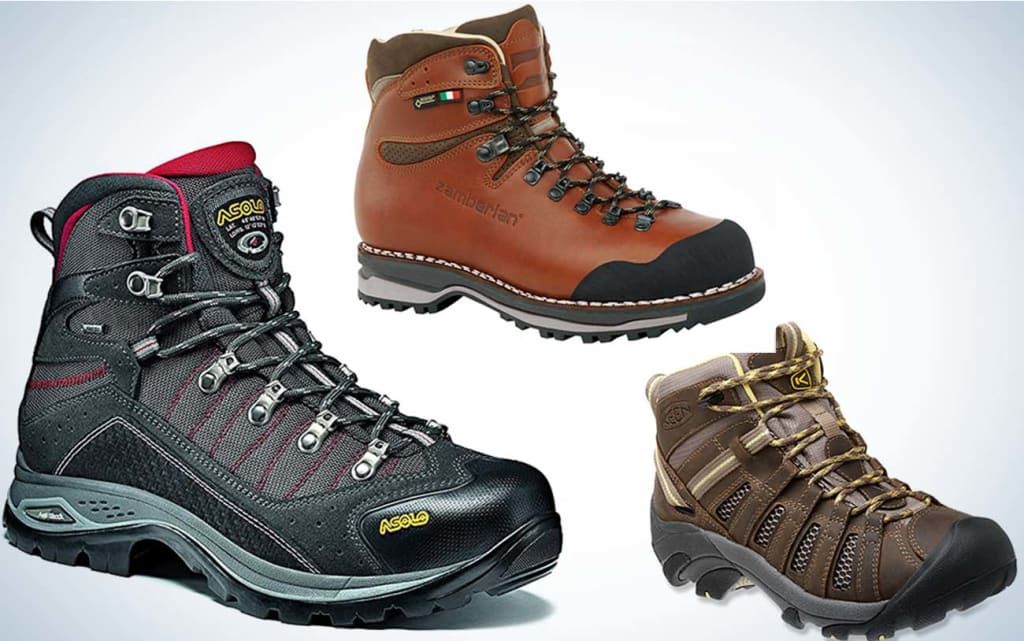
Hiking boots are an essential piece of equipment for any hiking or outdoor enthusiast. They provide support, protection, and comfort while traversing through rugged terrains. However, like any other piece of outdoor gear, hiking boots require proper care and maintenance to ensure their longevity and performance. Failure to take care of your hiking boots can result in premature wear and tear, loss of waterproofing, and compromised support.
As I mentioned above, ‘’How to take care of hiking boots?’’. Taking care of your hiking boots involves a combination of preventative measures and regular cleaning and maintenance. The good news is that it doesn’t take much effort or time to maintain your boots, and it can save you money in the long run. In this article, we’ll provide you with some tips and tricks on how to take care of your hiking boots, so you can get the most out of your outdoor adventures.
Why Do Hiking Boots Need Maintenance?
Hiking boots are an essential tool for any hiking enthusiast, providing comfort and protection for their feet during long treks. However, like any other piece of equipment, hiking boots require regular maintenance to perform optimally and to ensure their longevity. Here are some of the main reasons why hiking boots need maintenance:
Protection:
Hiking boots are designed to protect the feet from harsh terrain and weather conditions. However, regular exposure to dirt, water, and other environmental elements can cause the boots to degrade over time. By maintaining your boots, you can extend their lifespan and keep your feet protected during hikes.
Comfort:
Properly maintained hiking boots offer more comfort and support than those that have not been cared for. The cushioning and support materials in the boots, such as the midsole and insole, can wear out over time, resulting in a less comfortable and supportive fit. Regular cleaning, conditioning, and replacement of these materials can ensure that your boots remain comfortable and supportive.
Performance:
Hiking boots that are not maintained can also affect the wearer’s performance during hikes. Boots with worn-out treads can cause slips and falls, while those with a compromised fit can cause blisters and foot pain. Regular maintenance can help ensure that your boots are in good condition and perform well during hikes.
Hygiene:
Hiking boots can accumulate sweat, dirt, and bacteria during use. Failing to clean and maintain the boots can result in an unpleasant odor and the buildup of harmful bacteria. Regular cleaning and drying of the boots can help prevent these issues and ensure that your boots remain hygienic.
In conclusion, hiking boots require regular maintenance to ensure optimal performance, comfort, protection, and hygiene. Proper maintenance includes cleaning, conditioning, and replacing worn-out materials, such as the midsole and insole. By taking care of your hiking boots, you can extend their lifespan and enjoy safe and comfortable hikes for years to come.
Proper Cleaning Techniques:
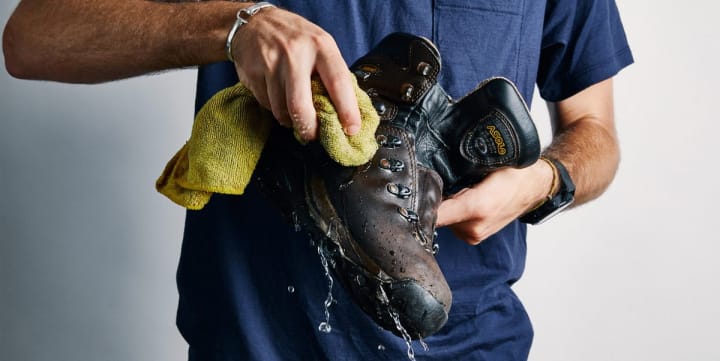
Proper cleaning techniques are essential for maintaining the performance, comfort, and longevity of hiking boots. Here are some steps to follow for proper cleaning of hiking boots:
Remove dirt and debris:
Before cleaning your hiking boots, remove any loose dirt, dust, or debris with a soft-bristled brush or a damp cloth. This step will prevent any abrasive materials from scratching the surface of your boots during cleaning.
Clean the boots:
Use a specialized cleaning solution designed for hiking boots or a mild detergent mixed with water to clean the boots thoroughly. Apply the cleaning solution with a soft-bristled brush, gently scrubbing the boots in circular motions. Pay special attention to areas that are more prone to dirt buildup, such as the soles and the area around the laces. Avoid using harsh chemicals, as they can damage the boots’ materials.
Rinse off the boots:
After cleaning the boots, rinse them with clean water to remove any remaining soap or cleaning solution. Use a clean cloth or sponge to wipe away any excess water.
Dry the boots:
Dry the boots naturally, away from direct sunlight or heat sources, such as radiators or heaters. Stuff the boots with newspaper or a dry cloth to help them retain their shape and absorb excess moisture. Avoid using a hairdryer, as the hot air can cause the boots to shrink or crack.
Condition the boots:
Once the boots are dry, apply a specialized boot conditioner or a leather oil to protect and nourish the materials. Apply the conditioner evenly with a soft cloth, focusing on the leather areas of the boots. Allow the conditioner to penetrate the materials for a few hours before wearing the boots again.
By following these proper cleaning techniques, you can keep your hiking boots in excellent condition and prolong their lifespan. Remember to clean and condition your boots regularly, especially after use in harsh weather or on challenging terrain.
Drying The Hiking Boots:
Properly drying your hiking boots after use is critical to maintaining their performance, comfort, and longevity. Here are some steps to follow for proper drying of hiking boots:
Remove any excess moisture:
After using your hiking boots, remove any excess moisture by wiping them with a clean, dry cloth. Pay special attention to the areas around the toes and the soles, where moisture tends to accumulate.
Air-dry the boots:
The best way to dry your hiking boots is to let them air-dry naturally. Avoid using direct heat sources, such as radiators or heaters, as the hot air can cause the boots to shrink, crack or damage their materials. Instead, place the boots in a well-ventilated area at room temperature and let them dry slowly.
Stuff the boots:
To help the boots maintain their shape and prevent them from losing their form, stuff them with newspaper or a dry cloth. This step will also help absorb any remaining moisture and speed up the drying process.
Change the stuffing regularly:
If the stuffing becomes damp or saturated, replace it with fresh, dry material to prevent the moisture from returning to the boots.
Dry the boots upside down:
After the boots are dry, turn them upside down and let them sit for a few hours to allow any remaining moisture to evaporate. This step will also help prevent moisture from settling in the boots’ soles.
Properly drying your hiking boots after use is essential for maintaining their performance and extending their lifespan. Remember to always air-dry your boots naturally, stuff them with newspaper or a dry cloth to maintain their shape, and change the stuffing regularly. By following these steps, you can keep your hiking boots in excellent condition and ready for your next adventure.
Conditioning The Hiking Boots:
Proper conditioning is essential for maintaining the quality and durability of your hiking boots. Regular conditioning can keep your boots supple, flexible, and resistant to water and other elements, prolonging their lifespan and ensuring that they perform well on the trail. Here are the steps to follow for effective conditioning of your boots.
First, choose a conditioner that is designed for your boots’ materials. Look for a specialized boot conditioner or leather oil that contains natural ingredients and is free from harsh chemicals or solvents that can damage the boots. Once you have the right conditioner, clean your boots thoroughly with a specialized cleaning solution or a mild detergent mixed with water. Pay special attention to areas that are prone to buildup, such as the soles and the area around the laces. Rinse the boots with clean water and let them air-dry naturally.
Next, apply the conditioner evenly using a soft cloth and allow it to soak in for a few hours, or as recommended by the product label. This step allows the conditioner to penetrate the materials deeply and nourish them thoroughly. After the conditioner has penetrated the materials, use a clean, dry cloth to buff the boots gently. Be sure to buff the boots thoroughly, leaving no streaks or residues behind. By following these steps, you can properly condition your hiking boots and ensure that they perform well on the trail, even in harsh weather conditions.
Waterproofing The Hiking Boots:
Waterproofing your hiking boots is essential for keeping your feet dry and comfortable on the trail. To effectively waterproof your boots, follow these tips.
First, choose a waterproofing product that is suitable for the materials of your boots and your intended use. You can choose from sprays, wax, and creams. It is important to select the right product to ensure maximum protection.
Next, clean your boots thoroughly before applying the waterproofing product. This ensures that the product can penetrate the materials effectively. Use a specialized cleaning solution or mild detergent mixed with water to remove any dirt or debris from the boots. Pay special attention to areas that are prone to buildup, such as the soles and the area around the laces. Rinse the boots with clean water and let them air-dry naturally before applying the waterproofing product.
Common Mistakes In Hiking Boot Care:
Proper care of your hiking boots is crucial to ensure their longevity and performance on the trail. However, there are common mistakes that hikers make when it comes to caring for their boots. Here are some of the most frequent mistakes to avoid:
Not cleaning the boots regularly:
One of the most common mistakes is neglecting to clean the boots after each use. Dirt, mud, and debris can accumulate on the boots, leading to wear and tear and reducing their lifespan.
Using the wrong cleaning products:
Using harsh cleaning products, such as bleach or solvents, can damage the materials of your boots and decrease their durability. It’s important to use specialized cleaning products that are designed for your boots’ materials.
Not allowing the boots to dry completely:
Failing to dry your boots properly can lead to mold and mildew growth, which can cause an unpleasant odor and deteriorate the boots’ materials. It’s important to let the boots air-dry naturally, away from direct sunlight or heat sources.
Forgetting to condition the boots:
Conditioning your boots regularly helps keep them supple and flexible, and protects them from water and other elements. Neglecting to condition your boots can result in cracks, dryness, and brittleness.
Overusing waterproofing products:
Overuse of waterproofing products, such as sprays and wax, can clog the pores of your boots and prevent them from breathing properly, leading to a buildup of moisture inside the boots.
By avoiding these common mistakes and following proper care and maintenance procedures, you can ensure that your hiking boots stay in good condition and perform well on the trail.
Seasonal Hiking Boot Care:
Caring for your hiking boots is important year-round, but there are specific steps you can take to care for them during each season.
Summer:
During the summer months, your boots may be exposed to more sunlight, heat, and moisture than usual. It’s important to protect them from the sun’s UV rays, which can cause the materials to fade and break down. To protect your boots, store them in a cool, dry place away from direct sunlight. Additionally, be sure to clean and condition them regularly to prevent any damage from sweat and salt buildup.
Fall:
Fall can bring cooler temperatures and increased moisture. It’s important to ensure that your boots are properly waterproofed to keep your feet dry during hikes in wet conditions. Check the condition of the boots’ soles and replace them if they’re worn out to ensure good traction on slippery surfaces. You can also add an extra layer of insulation by wearing thick socks or using boot liners.
Winter:
During winter, hiking boots are exposed to harsh conditions such as snow, ice, and salt. It’s essential to keep your boots dry and clean to prevent any damage caused by salt buildup. After each use, remove any snow or debris from the boots and let them dry completely before storing them. You can also add extra insulation by wearing thicker socks or adding insoles.
Spring:
Spring can bring unpredictable weather, so it’s important to be prepared for wet conditions. Ensure that your boots are properly waterproofed and inspect them for any damage caused by wear and tear during the previous hiking season. Consider re-soleing your boots if necessary to maintain good traction on wet and slippery terrain.
By following these seasonal hiking boot care tips, you can ensure that your boots last longer and provide you with the necessary support and protection on the trail.
Read More: Can Hiking Shoes Be Used In Snow?
The Lifespan of Hiking Boots:
The lifespan of hiking boots can be influenced by various factors such as the quality of construction, the frequency of use, the materials used, and the conditions they are exposed to. Generally, good quality hiking boots can last between 500 to 1000 miles of use. The durability of the boots depends mainly on the quality of materials used. High-quality materials like Gore-Tex and full-grain leather are more durable and can withstand wear and tear better than lower quality materials.
Proper care and maintenance can also extend the lifespan of hiking boots. Regular cleaning, conditioning, and waterproofing can prevent damage caused by dirt, moisture, and other elements. Storing the boots in a cool, dry place when not in use can help prevent deterioration. By choosing high-quality boots, taking good care of them, and being mindful of their use, hikers can ensure that their boots provide them with the necessary support and protection on the trail for as long as possible.
Conclusion:
In conclusion, taking care of your hiking boots is critical to ensuring they remain in good condition and last for a long time. Proper care will not only save you money in the long run, but it will also ensure that your hiking boots are comfortable and provide adequate support during your hikes.
I hope that now you know the answer to the question, “How to take care of hiking boots?”. Remember to clean and dry your hiking boots after every use, condition them regularly, and waterproof them when necessary. Additionally, store your boots properly and avoid common mistakes that can damage them. By following these guidelines, you can increase the lifespan of your hiking boots and enjoy many comfortable and successful hikes.
FAQs:
How do I store my hiking boots?
Store clean and dry boots in a cool, dry place, avoid direct sunlight or hot/humid areas, stuff the boots with paper or a boot tree, cover them with a breathable material to protect them from dust and debris.
How often should I replace my hiking boots?
Inspect your boots regularly for signs of wear and tear, replace them when soles are worn down or no longer provide the support you need, aim to replace them after around 500 miles of use, but this can vary depending on factors such as terrain and care.
How do I remove tough stains from my hiking boots?
To remove tough stains from your hiking boots, start by using a soft-bristled brush or cloth to remove any loose dirt or debris. For more stubborn stains, you can use a specialized cleaner that’s designed for your boot’s material.
If you wanna read more articles about Hiking then visit: https://hikingsuggest.com/
About the Creator
Hike Pike
Welcome to Hiking Suggest, a blogging website dedicated to providing you with the resources you need to have an unforgettable hiking experience.
Keep reading
More stories from writers in Education and other communities.
Clean Water, Brighter Futures: How Access Drives Learning and Economic Growth
Clean water access is often discussed as a public health priority, but it’s also a powerful engine for stronger schools and more resilient economies. When communities have reliable, nearby, and safe water, children miss fewer days of class, families spend less time coping with illness or fetching water, and local markets function with greater stability.
By Baitulmaal4 days ago in Education
Why Aircraft Reliability Often Depends on Parts You’ll Never See
The first time I read an aircraft maintenance report, I was surprised by how little it talked about flying. There were no dramatic references to takeoffs or landings. Instead, page after page focused on part numbers, inspection intervals, and component traceability. At the time, it felt disconnected from the excitement of aviation. Over the years, I realized that those documents describe the real heartbeat of aircraft reliability.
By Beckett Dowhan6 days ago in Education
The Path to Salvation
The late autumn evening air filled the monk's lungs, but it wasn't the season that chilled his bones. The heavy-handed presence of evil he had sensed upon entering the woods surrounding this mountain village had not bothered to conceal itself from him.
By Made in DNA6 days ago in Fiction


Comments
There are no comments for this story
Be the first to respond and start the conversation.