
How to Start the Keto Diet and Lose Weight Successfully
Read this article to learn more about it...
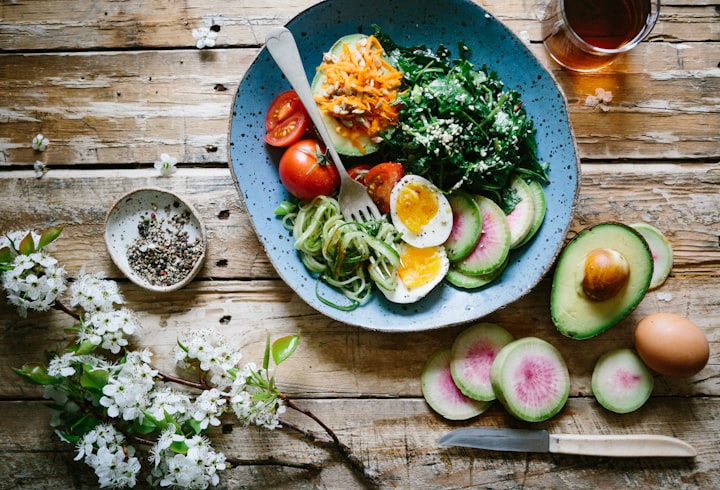
If you're looking to lose weight and feel great, the ketogenic diet may be just the thing for you. The keto diet is a low-carb, high-fat diet that has been proven to help people shed excess weight and improve their overall health. This post will provide an overview of what the keto diet is and how to start it successfully so you can achieve your weight loss goals.
What Is the Keto Diet?
The ketogenic diet (or keto diet) is a low-carb, high-fat diet that has become increasingly popular in recent years. It’s designed to switch your body from burning carbohydrates as its primary fuel source to burning fat instead. This state is known as “ketosis” and is thought to have many health benefits, including weight loss and improved mental clarity.
The keto diet is based on a very simple premise: by restricting your carbohydrate intake and replacing it with healthy fats, your body will begin to burn fat for energy instead of glucose. When this happens, your body enters a state of ketosis and starts to produce ketones, which are molecules that the body uses for energy when there are no carbohydrates available.
At the heart of the keto diet is a very simple concept: Eat fewer carbs and more fat. As you reduce your carb intake, your body will eventually start to break down stored fat into ketones, which can then be used as fuel for your cells. This process is known as ketosis, and it’s what makes the keto diet so effective for weight loss.
The keto diet is composed of mostly fats (approximately 75% of your daily calories), some protein (approximately 20%), and a very small amount of carbohydrates (5%). By following this eating plan, your body will enter a state of ketosis in which it’s burning stored fat instead of carbohydrates for fuel. This can lead to rapid weight loss and improved overall health.
The Science Behind the Keto Diet
The ketogenic diet, commonly referred to as the keto diet, is a high-fat, low-carbohydrate dietary approach that has been used since the 1920s to treat certain medical conditions, such as epilepsy. The diet induces a state of ketosis in the body, where the body is burning stored fat for energy rather than carbohydrates.
The keto diet works by forcing the body to burn fat instead of glucose. This happens because when you reduce your carbohydrate intake, the body must turn to other sources of fuel. Fat is broken down into ketones in the liver and then used as an energy source instead of glucose. When this occurs, your body is in a state of ketosis.
When your body is in ketosis, it becomes more efficient at burning fat for energy. This means that you will start to lose weight even if you aren't actively trying to lose weight. Studies have found that people who followed the keto diet for 12 weeks lost an average of 13 pounds more than those who followed a traditional low-fat diet.
Additionally, research has shown that following a keto diet can help reduce inflammation and improve blood sugar levels. This is beneficial for those with type 2 diabetes, as it can help them better manage their blood sugar levels.
The keto diet also has other health benefits, such as reducing cholesterol levels and improving heart health. It may even help to reduce the risk of certain types of cancer.
All in all, the science behind the keto diet suggests that it can be an effective way to lose weight, reduce inflammation, and improve overall health.
How to Start the Keto Diet
Starting the keto diet can seem daunting, but with a few simple steps and some preparation, you can begin your journey to weight loss success.
1. Understand the Basics of the Diet: Before starting the keto diet, it’s important to understand what it entails. The keto diet is a low-carb, high-fat diet that puts your body in a state of ketosis, where it burns fat for energy instead of carbohydrates.
2. Calculate Your Macronutrients: To follow the keto diet successfully, you will need to calculate your macronutrients. This means tracking the number of grams of carbohydrates, protein, and fat you are consuming each day. Generally speaking, on the keto diet, you want to consume fewer than 50 grams of carbs per day, at least 100 grams of protein per day, and between 60-80% of your total calories from fat.
3. Get Organized: Once you know your macronutrient goals, it’s important to get organized. Plan out what meals you will be eating for the week and make sure you have all the ingredients you need. This way you won’t be tempted to reach for unhealthy snacks when hunger strikes.
4. Make Adjustments: As you start the keto diet, you may find that certain foods don’t agree with you or that you need to adjust your macronutrient goals. Don’t be afraid to experiment and make changes until you find what works best for you and your lifestyle.
5. Track Your Progress: Finally, it’s important to track your progress while on the keto diet. Keep track of your daily food intake and how you are feeling each day so that you can gauge your progress and make necessary adjustments as needed.
What to Eat on the Keto Diet
The Keto diet is a low-carb, high-fat diet. This means that you will be eating fewer carbohydrates and fatter than you are used to. The goal of the Keto diet is to get your body into a state of ketosis, where it burns fat for fuel instead of carbohydrates. This means that the foods you eat will have to be high in fat and low in carbs.
The general rule of thumb is to keep your daily intake of carbohydrates to less than 50 grams per day. This can be difficult, as many popular foods contain large amounts of carbohydrates. To make it easier, you can focus on eating whole, unprocessed foods that are high in healthy fats and low in carbohydrates.
Examples of high-fat, low-carb foods include:
• Fatty fish, like salmon, tuna, mackerel, herring, and trout
• Nuts and seeds such as almonds, walnuts, chia seeds, and flaxseeds
• Unsweetened dairy products such as full-fat yogurt, cream, and cheese
• Low-carb vegetables such as broccoli, spinach, zucchini, kale, and cauliflower
• Healthy oils like olive oil, coconut oil, and avocado oil
• Meat and poultry such as beef, pork, lamb, and chicken
• Dark chocolate (in moderation)
It's important to focus on eating whole, unprocessed foods rather than packaged snacks or processed meals. While these may be low in carbs, they are often high in sodium or sugar. Stick to whole food sources whenever possible.
Finally, don't forget to drink plenty of water! Staying hydrated is essential to staying healthy while on the Keto diet.
Keto Recipes
The Keto diet is one of the most popular ways to lose weight and keep it off, but it can be difficult to know where to start when it comes to meal planning. One of the best ways to make sure you stay on track with your diet is to plan ahead and stock up on easy-to-make Keto recipes. Here are some delicious and nutritious recipes to get you started.
• Keto Omelette: This omelet is made with eggs, cheese, bacon, and vegetables. It’s a great way to start your day with a healthy breakfast full of protein and fiber.
• Keto Smoothie Bowl: Start your day off right with this nutritious smoothie bowl. It’s made with Greek yogurt, berries, almonds, chia seeds, and more for a delicious and filling breakfast.
• Keto Salad: This salad is made with spinach, kale, tomatoes, avocado, and a homemade low-carb dressing. It’s packed with nutrients and flavor and is perfect for lunch or dinner.
• Keto Soup: This soup is hearty and filling and is made with chicken broth, vegetables, and spices. Serve it with a side of low-carb bread or crackers for a complete meal.
• Keto Chili: This chili is made with ground beef, bell peppers, onion, tomatoes, and spices. It’s a great way to get your protein and fiber in for dinner.
• Keto Burgers: These burgers are made with lean ground beef and topped with cheese, bacon, lettuce, and tomato. They’re a quick and easy meal that you can have on the table in minutes.
• Keto Fat Bombs: These fat bombs are made with cream cheese, butter, cocoa powder, nuts, and coconut oil. They’re high in healthy fats and make a great snack any time of day.
• Keto Nachos: This dish is made with pork rinds, cheese, guacamole, sour cream, jalapenos, and more. It’s a great way to get your crunchy snack fixed without all the carbs.
Tips for Successful Weight Loss on the Keto Diet
Successful weight loss on the keto diet is all about making lifestyle changes that you can stick with. Here are some tips to help you stay motivated and get the best results from your keto diet:
1. Track Your Food Intake: Keeping track of what you eat will help you stay accountable and keep you on track with your goals. Try using an app or writing down your food intake to track what you’re eating.
2. Stay Hydrated: Drinking enough water is essential for overall health and can help support your weight loss efforts. Aim for at least 8 glasses of water a day.
3. Get Enough Sleep: Getting enough quality sleep can help improve your energy levels and reduce cravings for unhealthy foods. Aim for 7-9 hours of sleep a night.
4. Exercise Regularly: Exercise can help boost your metabolism and burn extra calories, which can help with weight loss. Aim for at least 30 minutes of exercise a day.
5. Avoid Processed Foods: Processed foods are high in calories and often low in nutritional value, so they should be avoided when possible. Try to focus on whole, unprocessed foods as much as possible.
6. Eat Mindfully: Eating mindfully can help you recognize when you’re full and avoid overeating. Take time to enjoy your food and pay attention to your hunger cues.
7. Get Support: Having support from family and friends can make it easier to stay motivated and on track with your goals. Consider joining a keto support group to get help and advice from others who are also trying to lose weight on the keto diet.
Supplements for the Keto Diet
The Keto diet is based on a low-carb, high-fat eating plan. This can lead to some nutrient deficiencies if you’re not careful. To ensure that your body gets the necessary vitamins and minerals it needs, you may want to consider adding certain supplements to your diet.
Omega 3 Fatty Acids: Omega 3 fatty acids are essential for health and well-being, and they can help reduce inflammation. However, many people do not get enough omega-3s in their diet, so a supplement may be helpful.
Multivitamins: Multivitamins are a good way to make sure you are getting all of the vitamins and minerals your body needs. They can also help fill any nutritional gaps you may have due to following a specific diet plan.
Vitamin D: Vitamin D is essential for optimal health, but it’s difficult to get enough from food alone. A vitamin D supplement can help you get the vitamin D your body needs.
Potassium: Potassium is important for regulating blood pressure and maintaining healthy cells, but it can be hard to get enough of this mineral on the Keto diet. A potassium supplement can help ensure you are getting adequate amounts of this mineral.
Magnesium: Magnesium is involved in hundreds of bodily processes, including muscle contraction and relaxation, heart function, and energy production. Many people don’t get enough magnesium in their diets, so taking a supplement can be beneficial.
Creatine: Creatine is an amino acid found in the body that helps with energy production. It can be especially helpful for athletes and those looking to build muscle mass.
Protein Powder: Protein powder can be a great source of protein for those following the Keto diet, as well as anyone who wants to increase their protein intake.
Probiotics: Probiotics are beneficial bacteria in the gut that aid digestion and help keep the digestive system healthy. Taking a probiotic supplement can help support a healthy digestive system.
These are just some of the supplements that may be beneficial to the Keto diet. It’s important to speak with your healthcare provider before taking any supplements, as they can interact with medications or other supplements you may already be taking.
If you want to learn more about Keto Diet, click here now.
About the Creator
Are Jay Del C. Labarda
I love to read and write to share my little knowledge so that I can improve myself more and discover my potetial in every aspects.
Keep reading
More stories from writers in Education and other communities.
Implications for Custody Arrangements in Early Childhood
Timotheus Homas Abstract Custody arrangements during early childhood can profoundly influence attachment formation and long-term developmental outcomes. This article examines how disruptions in attachment relationships—whether due to custody changes, visitation conflicts, or parental separation—affect emotional, social, and cognitive development. Drawing on empirical research and legal scholarship, the paper argues that family courts often underestimate the developmental risks associated with unstable caregiving environments. By integrating attachment theory with custody jurisprudence, the article advocates for a developmentally informed application of the “best interests of the child” standard that prioritizes relational stability alongside parental rights.
By Emma Wegenast2 days ago in Education
The Golden Crust China’s $132 Billion Bakery Revolution in 2026
For centuries, the Chinese breakfast was defined by steamed buns and rice congee, but in 2026, the aroma of sourdough and artisanal pastries is taking over the streets of Beijing and Shanghai. China’s bakery industry has transitioned from a niche curiosity into a massive economic powerhouse. According to the latest research, the China bakery products market size reached USD 91.7 Billion in 2025 and is now on a high-velocity path to reach USD 132.7 Billion by 2034. With a steady CAGR of 4.20% during 2026-2034, China is not just consuming bread; it is redefining the global standards of "East-meets-West" patisserie.
By Neeraj kumar6 days ago in Education
Feelings Never Die
It is Valentine's Day again, and it bought back memories that were over fifty years old. It bought me back to 1971, and I woke up and I knew my baby was due today. I was big and pregnant, and I felt like I was about to burst wide open. Imagine my surprise when the doctor told my I had a due date of February 14. I couldn't believe it, and since my baby was due today, I felt I could indulge myself a bit. I had gained a lot of weight, and chocolate was on the no-no list, but I had came to the end of this pregnancy, and I hoped it would be okay, after all I would deliver this baby today. So I walked across the street to the grocery story, and bought myself, a peppermint patty, covered in chocolate, my favorite. Me and my Valentine's baby would enjoy it together.
By Susan Payton2 days ago in Fiction
Rachel Reviews: Lunch Tales: Teagan by Lucille Guarino
Well, I did enjoy this! Sometimes, all you need is just great storytelling and this is what Lucille Guarino delivers here. There's no big message to this book; it's just about folks and families, living their lives and coping with everything that's being thrown at them and finding their way. But when it's done well, like it is here, then you have characters to whom you can relate, tension which leaves you rooting for a better outcome, attraction which has your heart racing and an urge, as a reader, to see the characters happy with the people with whom they belong.
By Rachel Deemingabout 18 hours ago in BookClub




Comments
There are no comments for this story
Be the first to respond and start the conversation.