
How to Start Keto and Succeed
Read the article to learn more..
Are you wondering how to start keto? Keto is a low-carb, high-fat diet that has become increasingly popular in recent years due to its effectiveness for weight loss and other health benefits. The ketogenic diet can be intimidating at first, but it doesn't have to be. With the right guidance, you can easily transition to a keto lifestyle and succeed. In this blog post, we will discuss the best ways to start keto and provide tips for succeeding in your new lifestyle.
What is Keto?
Keto is a low-carb, high-fat diet that has been gaining popularity in recent years. It is based on the idea that when you reduce your carbohydrate intake and replace it with healthy fats, your body will enter a metabolic state called ketosis. In this state, your body will start to use fat as its primary fuel source, which can help with weight loss and improved health.
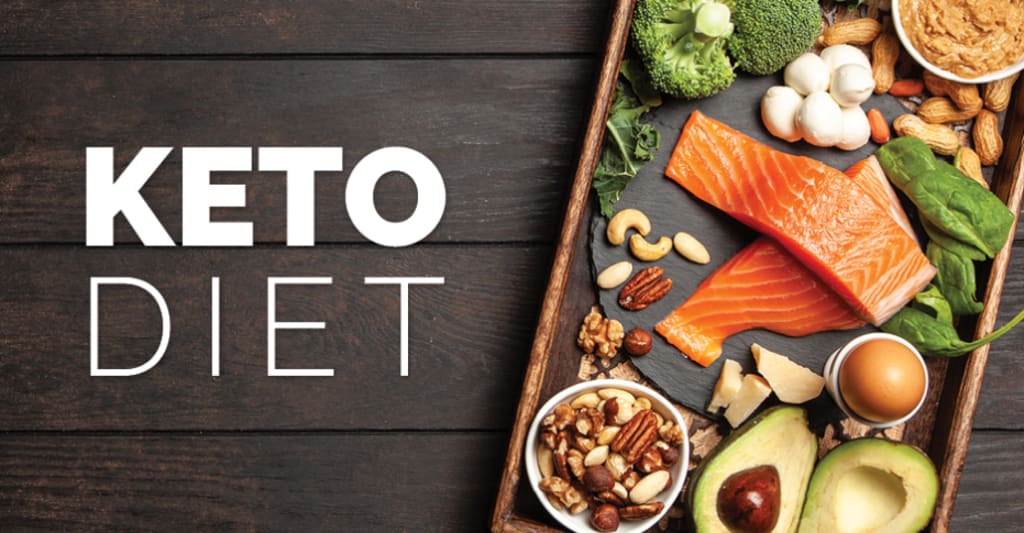
When following a ketogenic diet, you will typically consume fewer than 50 grams of carbs per day. To reach this goal, you’ll want to limit your intake of starchy vegetables, fruits, grains, and sugars. Instead, focus on eating foods like meat, seafood, eggs, non-starchy vegetables, nuts, seeds, and healthy fats such as coconut oil and avocado. You’ll also want to keep your protein intake moderate as too much protein can prevent you from entering into ketosis.
Why do people start Keto?
Keto is a popular and effective diet that has been growing in popularity over the years. Keto is a low-carbohydrate diet that puts your body in a metabolic state called ketosis. When in this state, your body burns fat as fuel rather than carbohydrates. This can lead to rapid weight loss, as well as other health benefits such as improved mental clarity and cognitive function. Additionally, many people find the diet more enjoyable and easier to stick to than other diets due to the variety of foods allowed. People may start Keto for a variety of reasons, but the most common reason is to lose weight. Other reasons may include increased energy levels, improved mental clarity, reduces the risk of getting diabetes and overall better health.
The basics of starting Keto
When it comes to getting started on the keto diet, the most important thing to know is that you are going to need to make some serious dietary changes. That means limiting your carbohydrate intake, drastically increasing your fat intake, and slightly increasing your protein intake. This change in macronutrient ratios will put your body into a state of ketosis, which is what allows you to burn stored fat for energy instead of carbohydrates.
The easiest way to begin transitioning to a keto diet is to reduce your carbohydrate intake to 20-30 grams per day. This may sound like a lot at first, but keep in mind that most people consume 200-300 grams of carbohydrates each day. Aim to eat fewer refined and processed carbohydrates such as white bread, chips, and sugary snacks and opt for whole foods like nuts, seeds, and leafy greens instead.
Along with reducing your carb intake, it’s important to increase your fat consumption to compensate for the lost calories. Healthy sources of fat include coconut oil, avocado, olives, and nuts. Don’t be afraid to use liberal amounts of healthy fats when cooking and baking.
You should also slightly increase your protein consumption, but it’s important not to overdo it. Too much protein can kick you out of ketosis and make it difficult to lose weight. Aim for 0.8-1.2g/kg of lean body mass (or 1g/lb). If you are unsure about how much protein you need, consult with a dietitian or doctor.
Finally, you should take note of your hydration levels. Water is essential for any diet and even more so on the keto diet. Make sure you drink enough water throughout the day so that your body can function properly.
By following these basic principles, you’ll be well on your way to success on the keto diet!
What to eat on Keto
When you start the ketogenic diet, the most important thing is to focus on eating healthy, wholesome foods. The best way to do this is to stick to a whole food-based keto diet. This means avoiding processed foods and choosing fresh, natural foods instead.
A few of the foods that you should include in your diet are:
Healthy Fats: Avocados, olive oil, coconut oil, grass-fed butter, and ghee are all excellent sources of healthy fats.
Proteins: Eggs, fatty fish (salmon, mackerel, and sardines), grass-fed beef, poultry and nuts and seeds are all great sources of protein.
Low-Carb Vegetables: Leafy greens (spinach, kale, arugula), broccoli, cauliflower, zucchini, mushrooms, and tomatoes are all low in carbohydrates and packed with essential vitamins and minerals.
Fruits: Berries such as strawberries, blueberries, raspberries, and blackberries are all low in carbohydrates and high in fibre.
Dairy Products: Full-fat Greek yogurt, cottage cheese, and cream cheese are all allowed on the ketogenic diet.
Remember that when you start the ketogenic diet, it’s important to eat nutrient-dense, whole foods. This will help ensure that you get all the nutrients you need while still following the principles of the keto diet.
What to avoid on Keto
When starting the keto diet, it is important to avoid certain foods and drinks. While many food items may seem harmless, they can sabotage your weight loss goals by preventing your body from achieving ketosis or increasing your risk of other health issues.
First and foremost, anything with added sugar should be avoided when following the keto diet. This includes all types of sugar, including white and brown sugar, honey, agave nectar, corn syrup, and more. In addition, you should stay away from any sweetened beverages, including sodas and fruit juices.
Grains are also something to avoid when following the keto diet. This includes wheat products such as bread, pasta, crackers, cereal, muffins, cakes, etc. As well as rice and oats.
Processed food should also be avoided on the keto diet. These are foods that are pre-packaged and often contain a lot of added sugar and unhealthy fats. Examples include frozen meals, chips, candy, fast food, and more.
Finally, any type of alcohol should also be avoided while following the keto diet. Alcoholic beverages are high in calories and can also slow down weight loss progress. Stick to plain water or drinks with no added sugar instead.
The bottom line
Keto is a great way to reach your health and weight goals. It requires a commitment to changing the way you eat and making smarter decisions about what to put into your body. By following the basics of Keto, being mindful of what to eat and avoid, and setting yourself up for success, you can achieve amazing results on the Keto diet. If you’re looking for a lifestyle change and want to see real results, Keto is a great option to consider.
for the #1 way to start your keto journey and succeed click here now
About the Creator
Keep reading
More stories from writers in Education and other communities.
Can Stars Collapse Without Exploding? The Silent Death of Massive Stars
How Stars Normally Die Stars are powered by nuclear fusion. For most of their lives, they fuse hydrogen into helium, releasing energy that pushes outward against gravity. This balance between outward pressure and inward gravitational pull keeps a star stable.
By shahkar jalal8 days ago in Education
Can You Start a Legal Transcription Career Without a Legal Background? Here’s the Truth
The idea of working in legal transcription often sounds intimidating to beginners. Words like court proceedings, legal terminology, and official records can make it seem like only law graduates or experienced legal professionals can succeed in this field. But the reality is far more encouraging. Legal transcription is not about practicing law — it’s about accurately documenting spoken legal content. And yes, you can absolutely start without a prior legal background.
By Mahesh Kumar3 days ago in Education
No Other Choice (2025)
It is only February, so other films may well surpass “No Other Choice”, but I think this is the best film I’ve seen so far this year. And that surprises me, because, it is a subtitled film and while I am pretentious enough to choose to watch foreign-language films, I was also very tired and that was an extra commitment from me. But more importantly, let me warn you, this film is gruesome and violent. There were times I had to turn away from the screen to avoid the worst of it (including some self-inflicted dentistry).
By Rachel Robbins2 days ago in Geeks


Comments
There are no comments for this story
Be the first to respond and start the conversation.