
How to REVERSE AGING?
The Dark Science Behind Turning YOUNG Again

**Understanding Telomeres and Cell Division**
Every time our cells divide, the ends of our DNA, called telomeres, get slightly shorter. These telomeres don't code for anything vital; they act as protective buffers. As they shorten over time, they prevent the coding regions of our DNA from getting damaged. However, once these telomeres become too short, the cells can no longer divide, leading to aging and eventually cell death. This process is why our lifespan is limited.
**Why Do We Age?**
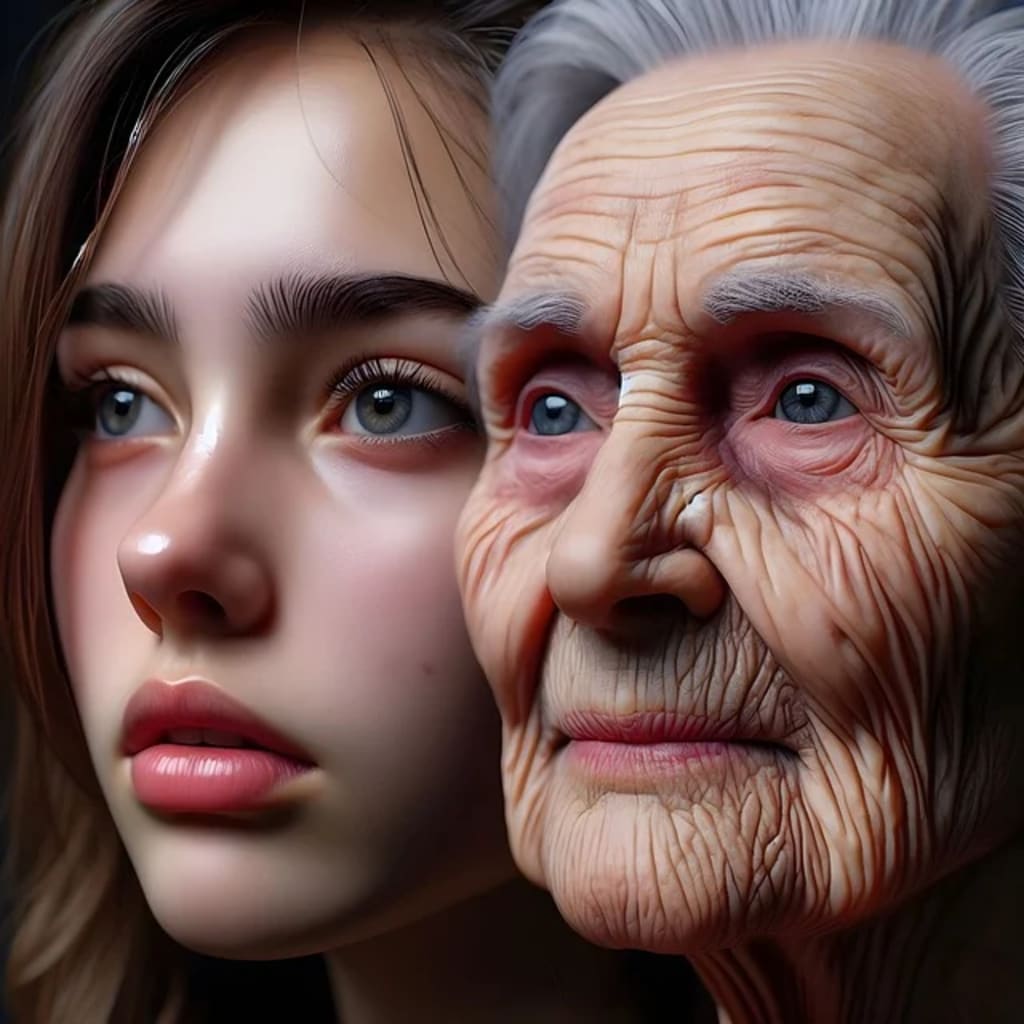
As our cells reach their division limit—around 60 to 70 times—the protective telomeres get critically short, leading to the cutting of the coding regions of DNA. This halts cell division and eventually leads to the death of the cells. This process is why we age and why diseases like cancer become more common as we grow older. The shortening of telomeres and the resulting biological aging, scientifically known as senescence, is something that science has yet to fully reverse.
**Can We Reverse Aging?**
There is a technique involving a special enzyme called telomerase that can extend the length of telomeres, allowing cells to continue dividing for longer. However, there's a catch: using this enzyme can also cause cancer cells to multiply rapidly, posing a significant risk. Research in this area is ongoing, and while there have been some promising developments, like the case of U.S. Naval Officer Joseph Dituri, who reportedly became 10 years younger after spending three months in an underwater chamber, scientists are still unsure of the exact mechanisms behind these results.
**Practical Tips for Slowing Down Aging**
While we may not have a surefire way to reverse aging, there are several lifestyle changes you can make to slow it down:
1. **Dietary Restriction:** Eating a low-calorie diet has been shown to slow down aging and extend lifespan.
2. **Fasting:** Intermittent fasting, where you eat all your meals within a specific time window, can also have anti-aging benefits.
3. **Vegetarian Diet:** Reducing or eliminating non-vegetarian foods from your diet can slow down aging at the cellular level.
4. **Antioxidant-Rich Foods:** Consuming a variety of colorful fruits and vegetables provides your body with antioxidants that reduce oxidative stress, a major cause of DNA damage and aging.
5. **Exercise:** Regular aerobic exercise, like running, swimming, or cycling, has been proven to improve longevity by up to 30%. Elite athletes, for example, live about five to six years longer on average.
6. **Stress Management:** Chronic stress and inflammation accelerate aging. It's crucial to manage stress through a healthy lifestyle, proper sleep, and avoiding harmful habits like smoking and excessive alcohol consumption.
7. **Consideration of Anti-Aging Drugs:** Some drugs, like metformin (used by diabetics), have shown promise in slowing down aging. However, it's essential to consult a doctor before considering any such treatments.
**Beyond Diet and Exercise: The Role of Sleep and Stress Management**
While diet and exercise are crucial components of slowing down aging, they aren't the only factors at play. Two other significant elements—sleep and stress management—are equally important in maintaining a youthful body and mind.
### **The Power of Sleep**
**Why Sleep Matters:**
Sleep is when your body repairs itself. During deep sleep, your body releases growth hormones that help in cell repair and regeneration. Lack of quality sleep can accelerate the aging process by increasing the levels of cortisol, a stress hormone that can damage skin elasticity and overall health.
**Improving Sleep Quality:**
To optimize your sleep for anti-aging benefits, aim for 7-9 hours of uninterrupted sleep each night. Establish a regular sleep routine by going to bed and waking up at the same time every day. Create a relaxing bedtime environment by minimizing light and noise, and avoid screens at least an hour before bed. Additionally, practices like meditation or deep-breathing exercises before sleep can help reduce stress and promote better sleep.
### **Managing Stress for Longevity**
**The Impact of Stress:**
Chronic stress is a significant driver of premature aging. It not only shortens telomeres but also leads to various health problems like heart disease, high blood pressure, and a weakened immune system. Stress triggers inflammation in the body, which accelerates cellular aging.
**Strategies for Stress Management:**
Incorporating stress-reducing activities into your daily routine can have profound effects on your overall well-being. Mindfulness practices like meditation, yoga, and tai chi are excellent ways to calm the mind and reduce stress. Regular physical activity, even beyond structured exercise, can also help keep stress levels in check. Social connections are another vital aspect of managing stress; maintaining strong, supportive relationships with family and friends can significantly reduce feelings of loneliness and anxiety.
### **Exploring Advanced Anti-Aging Techniques**
For those interested in going beyond lifestyle changes, there are advanced techniques and treatments that show promise in slowing down the aging process. However, these should be approached with caution and under medical supervision.
**1. Senolytics:**
Senolytic drugs are designed to target and eliminate senescent cells—those that have stopped dividing and contribute to aging and inflammation. By clearing these old cells, senolytics may reduce age-related diseases and improve tissue function. While research is still in its early stages, these drugs represent a fascinating area of study in the field of anti-aging.
**2. Gene Therapy:**
Gene therapy is another emerging field with the potential to reverse aging by altering the genes responsible for cellular aging. Scientists are exploring ways to extend telomeres or repair damaged DNA through targeted genetic modifications. While still largely experimental, gene therapy could revolutionize how we approach aging in the future.
**3. Personalized Medicine:**
The future of anti-aging may lie in personalized medicine, where treatments are tailored to an individual's genetic makeup, lifestyle, and specific health needs. By analyzing a person's DNA, doctors could potentially create customized anti-aging therapies that target the root causes of aging in that individual. This could include a combination of lifestyle changes, supplements, and advanced medical treatments.
### **The Future of Aging: What’s Next?**
The science of aging is rapidly evolving, and while we're still far from finding a "fountain of youth," the progress being made is exciting. Researchers are continually uncovering new ways to extend healthy lifespan, from dietary interventions and exercise to cutting-edge medical treatments. As we learn more about the biology of aging, it’s likely that more effective and safer anti-aging strategies will become available.
**Staying Informed:**
Keeping up with the latest research and developments in the field of aging can empower you to make informed decisions about your health. Consider subscribing to scientific journals, following reputable health websites, or even participating in clinical trials if you’re interested in being on the cutting edge of anti-aging research.
### **Conclusion: Aging with Grace and Science**
Aging is an inevitable part of life, but how we age can be influenced by the choices we make. By adopting a holistic approach that includes a balanced diet, regular exercise, stress management, quality sleep, and staying informed about emerging anti-aging technologies, you can slow down the aging process and enhance your quality of life.
Whether you're simply looking to stay healthy as you age or are interested in exploring advanced anti-aging techniques, the key is to approach aging with a combination of science and practical wisdom. With the right mindset and strategies, you can age g### The Science of Aging and How to Slow it Down
About the Creator
15.Goutami Debnath
I love breaking down complex issues in simple words
Keep reading
More stories from 15.Goutami Debnath and writers in Education and other communities.
VEG vs. NON VEG
In recent years, dietary choices have become a focal point for discussions around health, performance, and longevity. Among these, vegan and non-vegetarian diets often take center stage. Let's dive deep into the pros and cons of each, exploring their impact on strength, endurance, cognitive function, and overall longevity.
By 15.Goutami Debnath2 years ago in Education
The Impact of Aviation on Remote Communities and Global Trade
Many communities around the world are located in places where geography makes transportation difficult. Mountain villages, island territories, remote northern settlements, and rural regions often lack reliable road or rail systems that connect them to major economic centers. Aviation has emerged as one of the most effective solutions for bridging these distances. As explained by Glenn Allyn, an aviation professional associated with White Plains, New York, air transportation enables remote communities to interact with global economies by providing fast, reliable connections for commerce, travel, and essential services.
By Glenn Allyn3 days ago in Education




Comments
There are no comments for this story
Be the first to respond and start the conversation.