
How to Remove Dust Mites and Bed Bugs from Your Mattress Naturally
Simple, Safe, and Effective Home Remedies to Keep Your Bed Clean and Allergen-Free

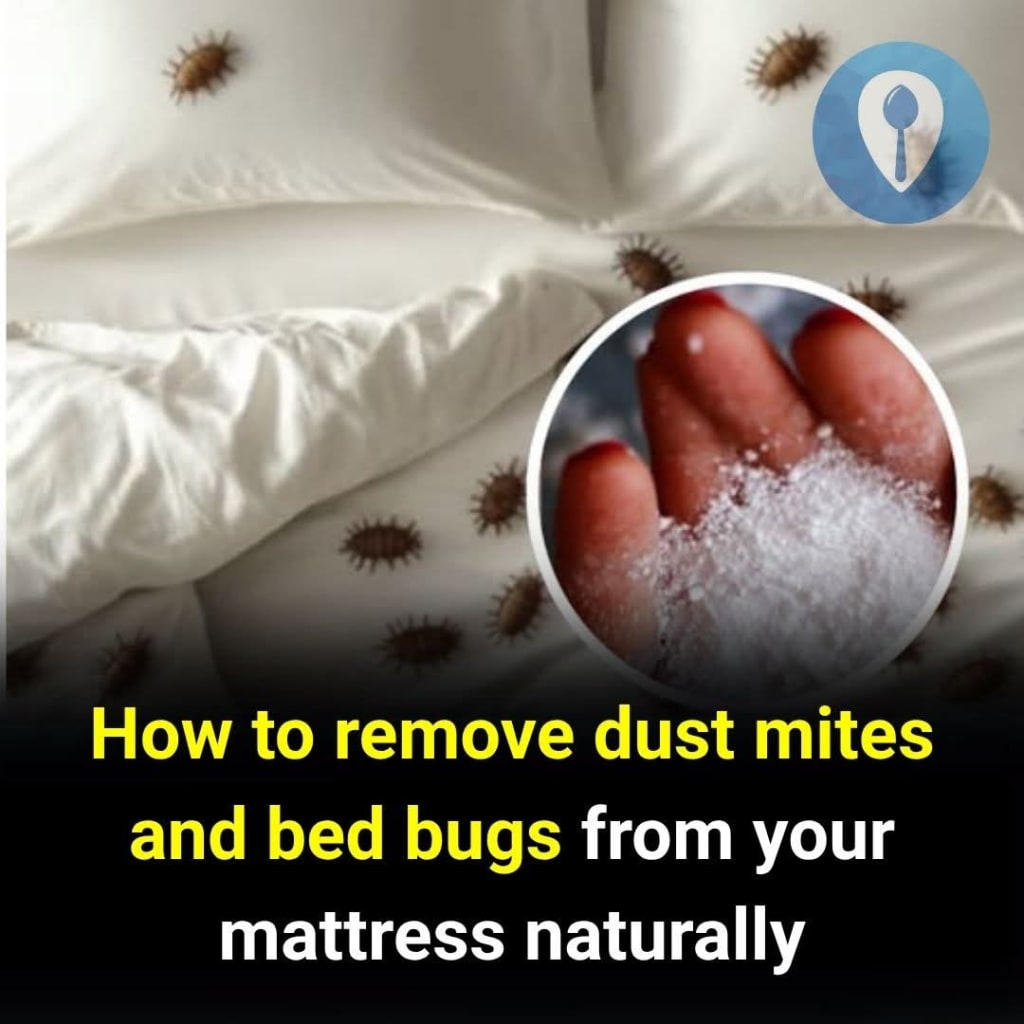
Keeping your mattress free from dust mites and bed bugs is essential for a healthy home environment. These tiny creatures can cause allergies, skin irritation, and disturb your sleep. Many people look for chemical treatments, but natural solutions are safer and just as effective. In this article, we will explore practical and natural ways to remove dust mites and bed bugs from your mattress, helping you create a clean and comfortable sleeping space.
Understanding Dust Mites and Bed Bugs
Before diving into removal techniques, it helps to understand what dust mites and bed bugs are. Dust mites are microscopic creatures that thrive in warm and humid environments. They feed on dead skin cells and can cause allergic reactions such as sneezing, itching, and watery eyes. Bed bugs, on the other hand, are small insects that feed on human blood while you sleep. Their bites can leave itchy welts and cause discomfort.
Both pests prefer mattresses because of the warmth, moisture, and availability of food sources. Therefore, regular cleaning and maintenance are key to preventing infestations and maintaining a healthy bedroom.
Step One: Regular Cleaning and Vacuuming
The first step to keeping your mattress free of dust mites and bed bugs is consistent cleaning. Vacuum your mattress thoroughly at least once a week. Use a vacuum cleaner with a HEPA filter if possible, as it traps small particles and allergens more effectively.
Pay extra attention to seams, edges, and folds where dust mites and bed bugs like to hide. Use the vacuum’s upholstery attachment to reach these tight spots. After vacuuming, empty the vacuum bag or canister outside your home to prevent pests from returning.
Step Two: Use Natural Sunlight and Fresh Air
Sunlight is a natural enemy of dust mites and bed bugs. Whenever possible, take your mattress outside on a sunny day. The ultraviolet rays from the sun help kill dust mites and bed bugs by drying out their bodies.
If moving the mattress outside is not an option, open windows and let fresh air circulate in your bedroom. Fresh air reduces humidity levels, making the environment less hospitable for these pests.
Step Three: Baking Soda Treatment
Baking soda is an excellent natural agent for removing moisture and odors, which helps deter dust mites and bed bugs. Sprinkle a generous amount of baking soda over your mattress surface. Use a soft brush to work it gently into the fabric.
Leave the baking soda on your mattress for several hours or even overnight to absorb moisture and odors. Then vacuum it off completely. Repeat this process once or twice a month to keep your mattress fresh and less attractive to pests.
Step Four: Essential Oils for Pest Control
Certain essential oils are known for their insect-repellent properties. Oils such as tea tree, eucalyptus, lavender, and peppermint can help keep dust mites and bed bugs at bay.
Mix about ten drops of your preferred essential oil with a cup of water in a spray bottle. Lightly spray the mattress surface, avoiding soaking it. Let the mattress dry completely before putting on sheets. You can repeat this treatment weekly for ongoing protection.
Lavender oil is especially popular because it smells pleasant and is safe for most people. Peppermint oil has a strong scent that bugs dislike, and tea tree oil contains natural antiseptic properties.
Step Five: Mattress Covers and Protective Liners
Using mattress covers or encasements designed to protect against dust mites and bed bugs is a very effective natural method. These covers create a barrier that prevents pests from entering or escaping the mattress.
Look for covers made from tightly woven fabric that is breathable and hypoallergenic. Make sure the cover fits snugly and zip it fully. Wash the cover regularly to maintain cleanliness.
Step Six: Wash Bedding Frequently
Dust mites and bed bugs not only live in mattresses but also in pillows, blankets, and sheets. Washing bedding in hot water at least once a week helps remove these pests and their eggs.
Use water that is at least 130 degrees Fahrenheit, as high temperatures kill both dust mites and bed bugs. If hot water is not suitable for certain fabrics, opt for dry cleaning or freezing the items for several hours.
Step Seven: Maintain a Dry Environment
Dust mites thrive in humid conditions, so controlling moisture is important. Use a dehumidifier or air conditioner to keep your bedroom humidity below fifty percent.
Avoid eating or drinking in bed, as spills can increase moisture and attract pests. Also, fix any leaks or water problems promptly to prevent dampness.
Step Eight: Natural Diatomaceous Earth
Diatomaceous earth is a powder made from fossilized algae that is harmless to humans but deadly to insects. It works by damaging the exoskeleton of bugs, causing them to dehydrate and die.
Lightly dust your mattress and surrounding areas with food-grade diatomaceous earth. Leave it for a few hours or overnight before vacuuming it away. This method is very effective against bed bugs without using harsh chemicals.
Step Nine: Regular Inspection and Prevention
Prevention is always better than cure. Inspect your mattress and bedroom regularly for signs of dust mites and bed bugs. Look for small rust-colored spots, shed skins, or itchy bites.
If you notice any signs, act quickly with the natural treatments mentioned above. Keeping your sleeping area clean and dry will greatly reduce the chance of infestation.
Final Thoughts
Removing dust mites and bed bugs from your mattress naturally is entirely possible with consistent effort and the right methods. Regular vacuuming, exposure to sunlight, baking soda treatments, and essential oils are safe and effective options. Protecting your mattress with covers and keeping bedding clean further supports a pest-free environment.
By following these natural techniques, you can improve your bedroom’s hygiene, reduce allergy symptoms, and enjoy a restful and healthy sleep every night. Remember, patience and persistence are key to maintaining a mattress free of unwanted pests.
About the Creator
Keep reading
More stories from DigitalAddi and writers in Education and other communities.
Dad Gets Tattoo to Match His Son’s Cancer Surgery Scar — Wins “Best Bald Dad” for His Unwavering Support
In a world often marked by superficial concerns, some stories pierce through and reveal the purest forms of love, sacrifice, and empathy. One such story is that of a devoted father who chose to wear his son's pain not just on his sleeve, but quite literally on his skin. When his young son underwent cancer surgery that left a long scar across his head, this father made a heartfelt decision: he would get a tattoo to replicate the scar — not for fashion, but for healing.
By DigitalAddi7 months ago in Education
The Insurrection Act
Introduction The Insurrection Act is a law in the United States of America. It allows the President of the United States to use the military to deal with serious problems inside the country. This law is very important because it can be used when there is a rebellion, violence, or lawlessness that cannot be controlled by normal police forces. The act has been in use for many years and is sometimes a topic of debate because it gives the President significant power.
By Farhan Sayedabout 17 hours ago in Education




Comments
There are no comments for this story
Be the first to respond and start the conversation.