
How to Quickly Recognize a Stroke
Fastest Way to Recognize a Stroke
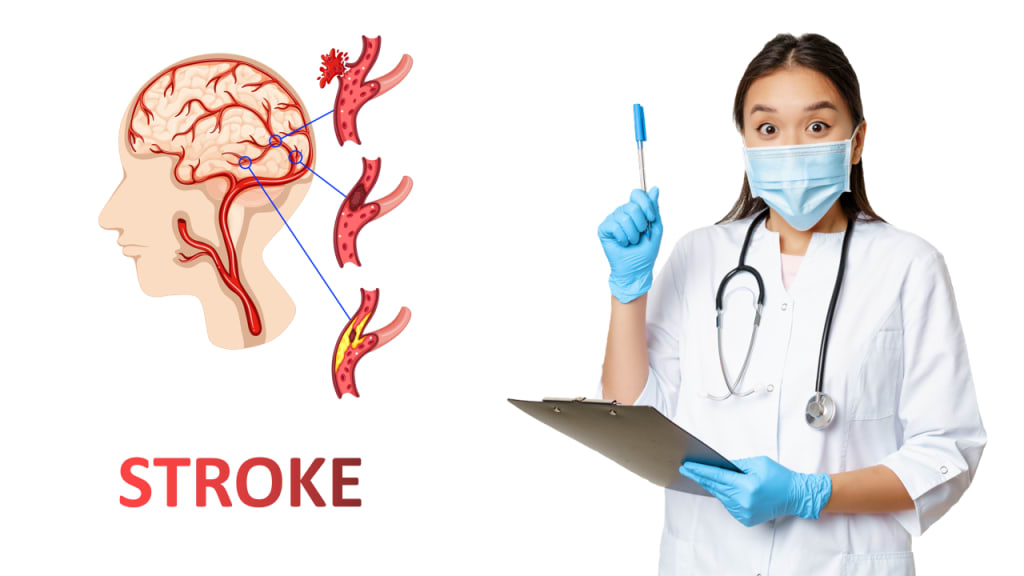
When dealing with a stroke or brain attack, time is of the essence, and every second counts. If you act quickly, most of the time your body can recover completely.
Alternatively, many people end up partially paralyzed or worse. Inside the Home Doctor, I’ll show you the fastest way you can recognize it and the one thing you must do immediately to improve your chances.
A stroke is a sudden interruption of blood flow to the brain, which can cause brain cells to die and lead to permanent damage. Strokes are a leading cause of death and disability, and they can occur at any age. It's important to be able to recognize the signs of a stroke so that you can get prompt medical attention and improve the chances of recovery. In this article, we'll discuss in-depth information on recognizing a stroke and what you can do to help.
Types of Strokes
There are two main types of strokes: 1)ischemic and 2)hemorrhagic. An ischemic stroke occurs when a blood clot forms in an artery leading to the brain, blocking the flow of blood and oxygen. Ischemic strokes account for about 87% of all strokes. A hemorrhagic stroke occurs when a blood vessel in the brain ruptures, causing bleeding in the brain. Hemorrhagic strokes account for about 13% of all strokes.
Recognizing the Signs of a Stroke
The acronym FAST is a widely recognized and simple way to identify the signs of a stroke:
Face: Check if one side of the face droops or if the person is unable to smile.
Arms: Check if the person is able to raise both arms equally or if one arm is weak.
Speech: Check if the person's speech is slurred or if they have difficulty speaking.
Time: If you observe any of these symptoms, it's time to call emergency services immediately.
In addition to the signs mentioned in the FAST acronym, here are a few more symptoms to look for:
Numbness or weakness in the face, arm, or leg, especially on one side of the body
Trouble speaking or understanding speech
Sudden severe headache with no known cause
Dizziness, unsteadiness, or loss of balance or coordination
Trouble seeing in one or both eyes
Difficulty walking or loss of balance or coordination
It's important to remember that not everyone will experience the same symptoms, and some people may only experience one or two of the symptoms mentioned.
Acting Quickly: What to Do if You Suspect a Stroke
If you suspect someone is experiencing a stroke, it's important to act quickly. Every minute counts when it comes to treating a stroke, so don't wait and seek immediate medical attention. Here's what you can do:
Call emergency services immediately: The emergency number in most countries is 911.
Stay calm and reassure the person: Try to keep the person calm and comfortable, and reassure them that help is on the way.
Check the time: Note the time when the symptoms started, as this information will be important for the medical team.
Don't give the person anything to eat or drink: The person may need to undergo a medical procedure to dissolve the blood clot, and food or drink can interfere with the procedure.
Risk Factors for Strokes
There are several risk factors that can increase the risk of having a stroke, including:
High blood pressure: High blood pressure is the leading cause of strokes, and it damages the blood vessels leading to the brain, making them more likely to become blocked.
Smoking: Smoking can damage the blood vessels, making them more likely to become blocked, and it also increases the risk of blood clots.
Diabetes: People with diabetes are at higher risk of having a stroke, as high blood sugar levels can damage the blood vessels leading to the brain.
High cholesterol: High levels of cholesterol in the blood can increase the risk
About the Creator
johnsonho
I am a content writer with a passion for personal health management.
I focus on writing articles, blog posts, and social media content for whoever wants to live a healthy lifestyle.
Colors and Such
Before I retired in 2020, I worked as a Nursing instructor in one of the nation's largest community colleges. It was a job I thoroughly enjoyed for fifteen years because I had a heart for the students and genuinely wanted to invest in them and their futures.
By Shirley Belk6 days ago in Education
The Living Language of Creativity: Why Art Continues to Shape Human Experience
Art has existed for as long as humans have sought to express meaning beyond survival. Universal creative dialogue allows people to communicate emotions, beliefs, and ideas that cannot always be captured through words alone. From early symbolic markings to contemporary visual culture, art reflects how individuals and societies understand themselves and the world around them.
By Marissa Haugh2 days ago in Education
How, Too
Many people wonder how, too. You are not alone, and I am an expert. I will teach you how, too! First, you need to remit a small application fee and fill out an application describing the nature of your financial situation and how often payments will be made, as this will have great bearing on how well I teach you how, too.
By Harper Lewis4 days ago in Fiction



Comments
There are no comments for this story
Be the first to respond and start the conversation.