
How to Keep Your Knife Sharp
A Guide to Maintaining a Sharp Kitchen Knife
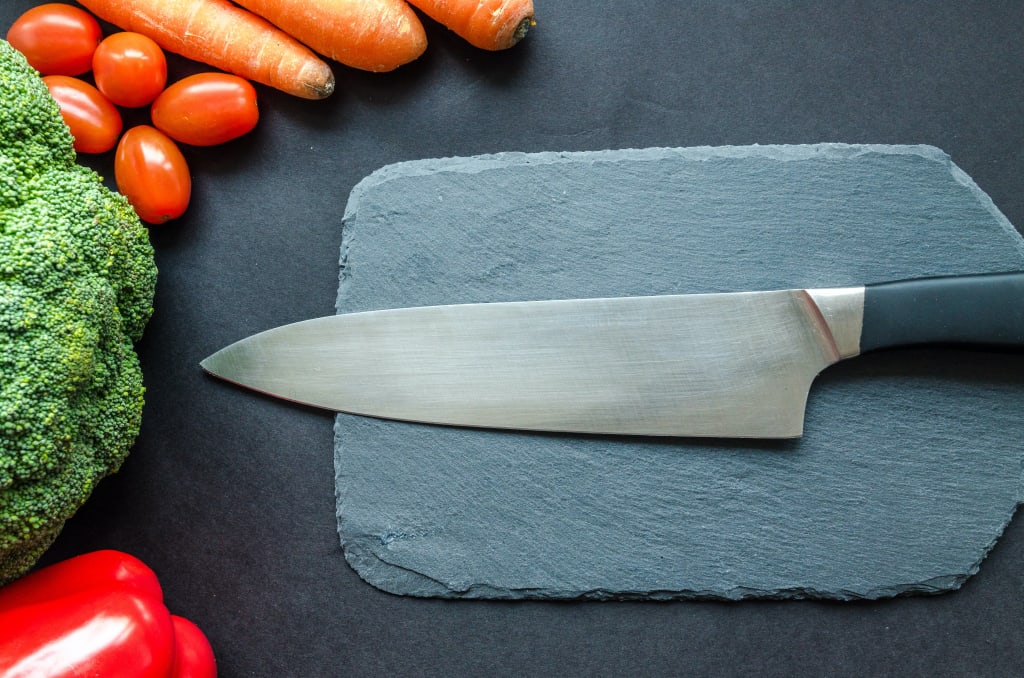
Introduction:
When it comes to working in the kitchen, having a sharp knife is essential. A blunt knife can make cooking tasks more challenging and less efficient. In this article, we will explore the secrets behind keeping a knife sharp and provide you with useful tips to ensure your knife stays in optimal condition. From proper grip techniques to honing the blade, we will cover everything you need to know to maintain a sharp kitchen knife.
Outline:
1. The importance of a sharp knife
2. Proper grip and handling
3. Sharpening the knife
• Tools for sharpening
• Sharpening techniques
4. Honing the knife
• Importance of honing
• Honing techniques
5. Knife storage
6. Conclusion
The Importance of a Sharp Knife
Working with a sharp knife in the kitchen offers numerous advantages. It enhances your efficiency, making tasks quicker and more precise. A sharp knife allows for smooth and clean cuts, ensuring the integrity of the ingredients. Additionally, a sharp knife reduces the risk of accidents, as it requires less force to cut through food.
Proper Grip and Handling
Before we dive into the techniques for sharpening your knife, let's start with the basics of grip and handling. It is essential to hold the knife properly for safe and effective use.
1. Hold the knife with a confident grip, as you would hold a tennis racket or when playing squash.
2. Ensure your fingers are behind the butt of the knife to avoid any accidents.
3. Maintain a comfortable and relaxed grip while keeping the blade at a 45-degree angle.
Sharpening the Knife
To maintain a sharp edge on your kitchen knife, regular sharpening is crucial. Here are the steps to sharpen your knife effectively:
1. Gather the necessary sharpening tools: a sharpening stone or honing rod.
2. Hold the sharpening tool securely on a flat surface.
3. Place the knife blade against the stone or rod at a 20-degree angle.
4. Apply gentle pressure and move the knife across the stone or rod using long, smooth strokes.
5. Repeat the process on both sides of the blade until you achieve the desired sharpness.
Honing the Knife
In addition to sharpening, honing the knife regularly helps maintain its sharpness. Honing involves realigning the blade's microscopic teeth, which can get misaligned during use. Follow these steps to hone your knife:
1. Hold the honing rod vertically with the tip resting on a stable surface.
2. Hold the knife with a 20-degree angle against the honing rod.
3. Apply light pressure and glide the blade across the rod, moving from the base to the tip.
4. Repeat the process on both sides of the blade for several strokes.
Knife Storage
Proper knife storage is essential to prevent damage to the blade and maintain its sharpness. Consider the following tips for storing your kitchen knife:
1. Store knives in a designated knife block or on a magnetic strip to keep the blades protected and easily accessible.
2. Avoid storing knives in drawers or containers where they can bump into other utensils, causing damage.
3. Clean and dry the knife before storage to prevent moisture buildup, which can lead to rust.
Conclusion
Keeping your kitchen knife sharp is crucial for efficient and safe cooking. By following the proper grip and handling techniques, regularly sharpening the blade, honing it when needed, and storing it.
About the Creator
Keep reading
More stories from Hassan Sharafat and writers in Education and other communities.
Achieve Lasting Weight Loss: Your Guide to a Sustainable and Balanced Lifestyle
Certainly! Here are 8 tips to help you on your weight loss journey and maintain it for good: 1. Cultural Plan: Modify your diet while considering the foods you grew up eating. If rice and wheat are staple foods for you, completely eliminating them may not be sustainable. Find healthier ways to incorporate them into your diet.
By Hassan Sharafat3 years ago in Education
The Iberian Welcome: Spain’s Hospitality Renaissance and the $84 Million Milestone (2026-2034)
Spain has always been the heartbeat of European tourism, but in 2026, the industry has transcended its traditional roots to become a global leader in high-tech, sustainable hospitality. From the bustling avenues of Madrid to the serene shores of the Balearic Islands, the sector is experiencing a historic transformation. According to the latest research, the Spain hospitality market size reached USD 61.6 Million in 2025 and is now on a steady trajectory to reach USD 84.1 Million by 2034. Exhibiting a growth rate (CAGR) of 3.52% during 2026-2034, this isn't just a recovery; it’s a total reinvention of how Spain welcomes the world.
By Neeraj kumar4 days ago in Education




Comments
There are no comments for this story
Be the first to respond and start the conversation.