
How to Finance Your Education in Germany: Scholarships, Grants, and Loans
How to Finance Your Education in Germany
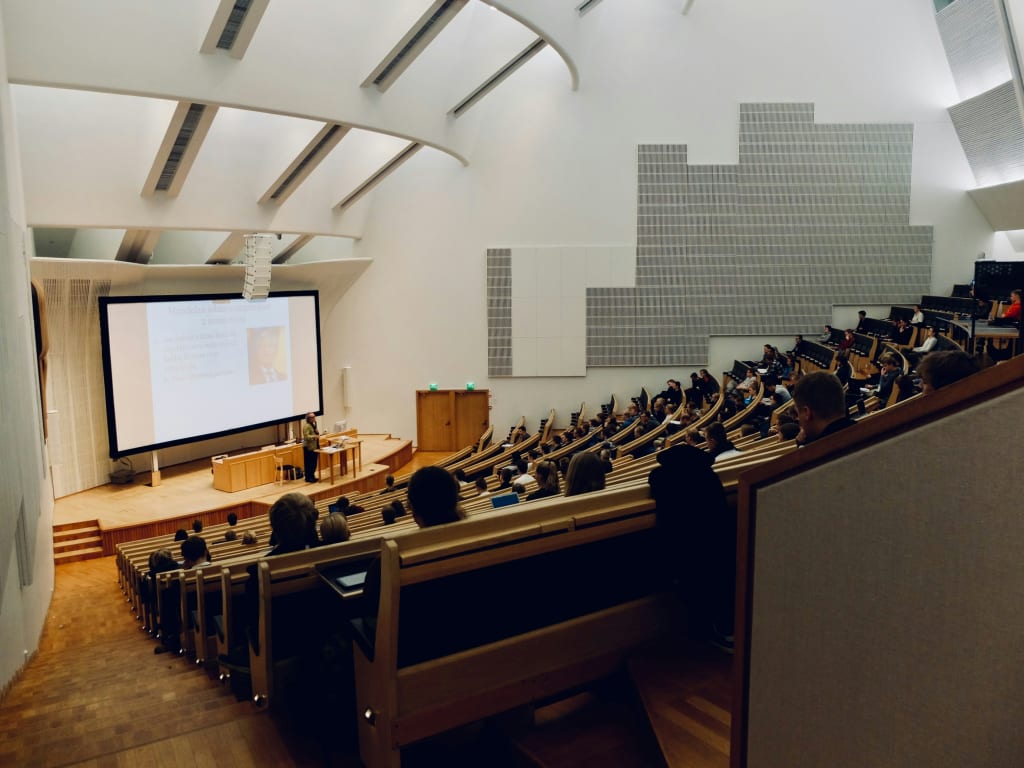
Germany is increasingly becoming a popular destination for international students due to its high-quality education and relatively low tuition fees. However, understanding the cost of study in Germany is essential for prospective students planning their finances. This guide will explore various financing options available, including scholarships, grants, and loans, to help you successfully fund your education while you study in Germany.
Understanding the Cost of Study in Germany
Before delving into financing options, it’s crucial to grasp the overall costs involved in study in Germany. Tuition fees in public universities are often low or even non-existent for international students, particularly at the undergraduate level. However, students should also consider other expenses, such as:
Semester fees: Most universities charge a semester fee ranging from €250 to €350, which may include public transportation, student services, and administrative costs.
Living expenses: On average, students should budget around €800 to €1,200 per month for accommodation, food, health insurance, and other personal expenses.
Additional costs: Course materials, leisure activities, and any travel costs should also be factored in.
Having a clear understanding of these expenses will help you effectively plan your finances.
Scholarships
Scholarships are one of the most sought-after options for funding education in Germany. Several organizations and institutions offer scholarships specifically for international students. Here are some prominent scholarship options:
1. DAAD Scholarships
The German Academic Exchange Service (DAAD) offers a wide range of scholarships for international students. These scholarships can cover living costs, travel expenses, and even tuition fees. They are available for both undergraduate and postgraduate programs. Check the DAAD website for eligibility criteria and application procedures.
2. University-Specific Scholarships
Many German universities have their own scholarship programs for international students. These can vary significantly in terms of eligibility and funding amounts. It’s advisable to check the university’s website or contact the international office for information about available scholarships.
3. Private Scholarships
Various private organizations and foundations provide scholarships for international students. These can be based on merit, financial need, or specific criteria such as the applicant’s home country or field of study. Researching these opportunities can open doors to additional funding.
Grants
Grants are another excellent way to finance your education. Unlike scholarships, grants may not require a formal application and are often based on need. Some grants are provided by local or federal government bodies to support international students. It's worth exploring options available through your home country as well, as some governments offer financial aid for students studying abroad.
Student Loans
If scholarships and grants don’t cover all your expenses, consider taking out a student loan. Here are some options to explore:
1. German Bank Loans
Many banks in Germany offer student loans specifically designed for international students. These loans typically have lower interest rates and flexible repayment options. You may need a German bank account and proof of enrollment in a university to qualify.
2. Loans from Your Home Country
Investigate whether your home country offers student loans for studying abroad. Many countries have financial institutions that provide loans with favorable terms for students pursuing education in foreign countries.
3. Federal Financial Aid
In some cases, international students may be eligible for federal financial aid in their home country. Be sure to check if you can receive any government assistance for your studies in Germany.
Work Opportunities
In addition to scholarships, grants, and loans, working part-time while studying can help ease financial burdens. International students in Germany are allowed to work for up to 120 full days or 240 half days per year. On-campus jobs or positions related to your field of study can be particularly beneficial. Additionally, many universities have career services that can help you find job opportunities.
Conclusion
Financing your education in Germany involves careful planning and exploration of various funding options. Understanding the cost of study in Germany and leveraging available scholarships, grants, and loans can significantly ease your financial journey. If you’re uncertain about where to start, consider consulting a study abroad consultant who can provide personalized guidance based on your unique situation and help you navigate the complexities of funding your education. With the right resources and support, you can make your dream of studying in Germany a reality.
also read:
Intakes in Germany: Summer vs. Winter—Which One to Choose?
How an Overseas Education Consultant Can Help You Study in Germany
About the Creator
Keep reading
More stories from Ladalisiddiqui and writers in Education and other communities.
Intakes in Germany: Summer vs. Winter—Which One to Choose?
Germany is a popular study destination for international students due to its world-class education, affordable tuition, and thriving cultural scene. If you are planning to study in Germany, understanding the different intakes available is crucial for your application process. German universities typically offer two main intakes—Summer and Winter. Each has its own advantages, and choosing the right one can greatly impact your academic experience. Let’s explore the differences between the Intakes in Germany and help you decide which one is the best fit for you.
By Ladalisiddiquiabout a year ago in Education
Do you really need to take 10,000 steps a day?
While most people avoid spending the night in jail, Jean Béliveau jumped at the opportunity. For the past three years, Béliveau had been walking from country to country, with the goal of circumnavigating the globe on foot. This required sleeping in tents, strangers’ homes, and the occasional jail cell along the way. But this morning, as Béliveau was ready to leave, the police chief, who had agreed to his sleeping arrangement, was nowhere to be found, and the guards weren’t buying his story. Few people have the time or desire to walk such extreme lengths.
By Munesh Yadavabout 23 hours ago in Education
What’s the best position to sleep in?
In the 1970s, psychoanalyst Samuel Dunkell proposed a curious, albeit almost completely unsubstantiated, theory that the position you sleep in reflects your personality. For example, preferring to snooze in the so-called royal position indicated self-confidence, while sleeping semi-fetal meant you’re sensible and well adjusted. While Dunkell’s ideas lack any definitive proof, how we sleep can impact our health. So, what’s the best position to sleep in? Sleep positions go by countless creative names—
By Munesh Yadav3 days ago in Education



Comments
There are no comments for this story
Be the first to respond and start the conversation.