
How to Finance a Franchise: Funding Options for Entrepreneurs
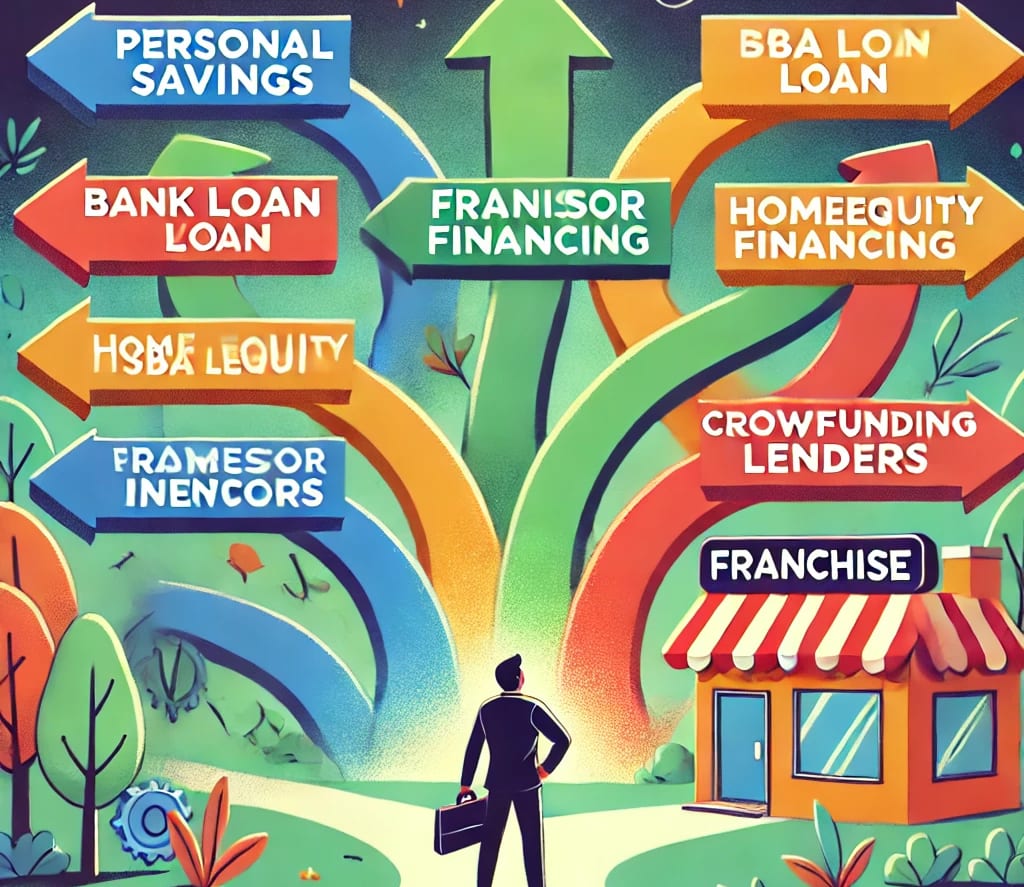
9 Smart Funding Options

Introduction
Starting a franchise can be an exciting path to business ownership, but financing the initial investment can be a challenge. The good news is that there are multiple ways to fund a franchise, whether you’re a seasoned entrepreneur or a first-time business owner. Franchise costs can range from a few thousand dollars to several million, depending on the brand and industry. In this post, we’ll explore various funding options to help you make your franchising dream a reality.
1. Personal Savings
Using your own savings is one of the simplest ways to finance a franchise. It allows you to avoid debt and interest rates, keeping your business finances under your control. This method works best if you have a significant amount of savings set aside. However, dipping into your personal funds can be risky, especially if the business takes time to turn a profit. Before committing your savings, ensure you have a financial cushion to cover personal expenses and unexpected business costs. Some franchisees choose to combine personal savings with other funding sources to reduce financial strain.
2. Traditional Bank Loans
Many banks offer loans specifically for franchisees. These loans usually require a solid credit score, a comprehensive business plan, and collateral. Banks view franchises as lower-risk investments than independent startups due to their established business models. However, the approval process can be lengthy and require extensive paperwork. If you’re considering this option, shop around for the best interest rates and repayment terms. Some banks even have preferred lender programs for well-known franchise brands, making the process smoother.
3. Small Business Administration (SBA) Loans
SBA loans are popular for franchise financing due to their lower interest rates and extended repayment terms. The SBA partners with banks to provide funding, and many franchises are SBA-approved, making this a viable option. These loans come in different forms, such as the SBA 7(a) loan and the SBA 504 loan. The 7(a) loan is the most common for franchise financing and can be used for startup costs, equipment, and working capital. To increase your chances of approval, prepare a solid business plan and ensure your credit history is in good standing. Visit the SBA’s website or speak with a lender for more information.
4. Franchisor Financing
Some franchisors offer in-house financing to assist potential franchisees. These programs can include reduced fees, deferred payments, or direct loans. Since the franchisor wants you to succeed, they may offer better terms than traditional banks. However, these programs vary from one franchise to another, so it’s important to review the terms and conditions carefully. Some brands also have partnerships with third-party lenders to help franchisees secure funding. Check with specific franchisors to see what financing options they provide.
5. Home Equity Loans or HELOC
If you own a home, you can tap into your home equity to secure financing. A home equity loan or home equity line of credit (HELOC) allows you to borrow against the value of your home, often at lower interest rates than other types of loans. While this can be a cost-effective option, it comes with significant risk—your home serves as collateral, meaning you could lose it if you’re unable to make payments. Before choosing this option, consult with a financial advisor or mortgage lender to ensure it’s a viable strategy for your situation.
6. Rollovers as Business Startups (ROBS)
ROBS allow you to use your retirement funds (401(k) or IRA) without penalties to finance your franchise. This strategy involves rolling over your retirement funds into a new business entity to purchase the franchise. While complex, this method can be tax-advantaged if done correctly with the guidance of a professional. Many entrepreneurs prefer ROBS because it eliminates debt, but it does put your retirement savings at risk. If you’re considering this option, consult a retirement plan specialist or IRS resources to understand the legal and financial implications.
7. Investors and Partnerships
Bringing in an investor or forming a partnership can provide the necessary capital without taking on personal debt. Investors can be family members, friends, angel investors, or venture capitalists. The main advantage of this approach is that you don’t have to repay a loan. However, it may require sharing ownership and decision-making authority. If you go this route, make sure to draft a clear partnership agreement outlining roles, responsibilities, and profit-sharing terms. Websites like AngelList or crowdfunding platforms can help you connect with potential investors.
8. Crowdfunding
Crowdfunding platforms like Kickstarter, Indiegogo, and GoFundMe allow you to raise capital by appealing to a large audience. While crowdfunding is not the most conventional route for franchise financing, a compelling campaign can attract support from people who believe in your vision. Successful crowdfunding requires a strong marketing strategy, an engaging story, and valuable incentives for backers. If you have a unique franchise concept or a compelling reason for people to invest in you, this option could work well.
9. Alternative Lenders and Online Financing
Online lenders offer quick access to funds with fewer requirements than traditional banks. Platforms like LendingTree, Kabbage, and OnDeck provide small business loans with fast approval processes. While interest rates may be higher, these lenders can be ideal for those who need quick financing or have lower credit scores. Be sure to compare rates and terms from multiple lenders before committing.
Choosing the Right Option for You
Selecting the right financing option depends on your financial situation, risk tolerance, and long-term goals. Before deciding, ask yourself:
- How much capital do I need?
- Am I comfortable taking on debt?
- What are the repayment terms?
- Do I have collateral?
- How quickly do I need the funds?
It’s essential to assess each option carefully, consult with financial professionals, and review the franchise disclosure document (FDD) for financing guidelines. Some franchise brands have specific financing recommendations or restrictions, so be sure to check before proceeding.
Final Thoughts
Starting a franchise is a significant financial commitment, but with the right approach and resources, you can make your entrepreneurial aspirations a reality. Whether you choose personal savings, bank loans, SBA loans, or alternative funding methods, thorough research and financial planning will set you up for success. Explore your options, consult experts, and take the first step toward owning your franchise. Good luck on your franchising journey!
About the Creator
Dale Ennajah
Sales professional with a passion for business, personal finance, & investing. Also dedicated to cinematography, health, politics. Uncovering stories that truly matter. Sharing insights to help individuals make smarter financial decisions.
Keep reading
More stories from Dale Ennajah and writers in Education and other communities.
Debt Snowball vs. Debt Avalanche: Which Works Better?
Photo by Markus Winkler Starting and monetizing a finance blog can feel overwhelming at first. You’ve spent hours pouring knowledge into educational and engaging content, but turning that traffic into a sustainable income stream requires strategy. In this article, we’ll walk you through practical, actionable tips to monetize your finance blog effectively.
By Dale Ennajah10 months ago in Education
The $73,000 Text Message That Changed Everything
"Just realized I missed the quarterly payment deadline by one day. How bad is this?" I stared at the message, knowing I was about to deliver devastating news. My client—a successful entrepreneur who built his tech consulting firm from zero to $3.2 million in annual revenue—had just cost himself $73,000.
By Nth Degree Tax5 days ago in Education
How Audit Management Solutions Streamline ESG Compliance
Corporate credibility is increasingly defined by Environmental, Social, and Governance (ESG) compliance. Stakeholders, including shareholders, regulatory authorities, consumers, and employees, are placing greater demands on organizations to operate transparently, ethically, and sustainably.
By Matthew Luke5 days ago in Education




Comments
There are no comments for this story
Be the first to respond and start the conversation.