
How to Explain Democrat vs Republican to a Child Without Confusing Them
Using games, mascots, and fun stories to explain politics to kids!

Explaining the differences between Democrats and Republicans to a child can feel a bit tricky, but it doesn't have to be overwhelming.
It’s all about breaking it down into simple ideas that kids can grasp. Think of it like explaining two teams in a game, each with its own way of playing.
In this article, we’ll cover what each party believes and how they operate, using language that’s easy for kids to understand. Let’s dive in!
Key Takeaways
- * Political parties are like teams with different ideas on how to run the country.
- * The Republican Party believes in individual responsibility and less government help.
- * The Democratic Party focuses on helping people and making things fair for everyone.
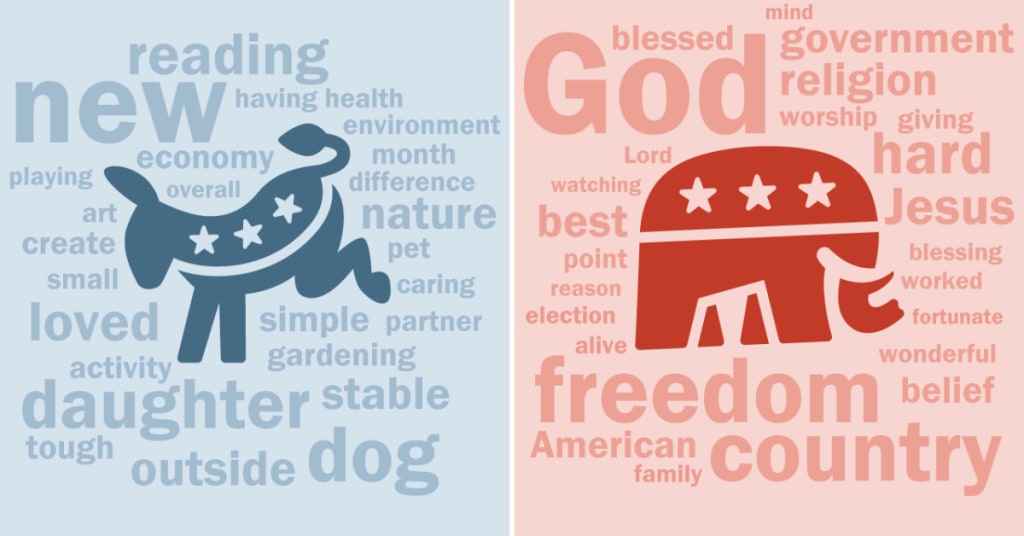
- * Both parties have their own symbols: the elephant for Republicans and the donkey for Democrats.
- * Elections are how people choose leaders from these parties.
- * Kids can understand politics by comparing it to sharing toys or making group decisions.
- * It's okay for families to have different opinions about politics.
- * Learning about these parties helps kids think about how they want things to be in their community.
What is a Political Party?
Okay, so what exactly is a political party? It's a question I get asked a lot, and it's actually pretty simple.
Think of it like this: imagine a group of friends who all have similar ideas about what's best for their school.
They team up to try and make those ideas happen. That's basically what a political party is, but on a much bigger scale – for a whole town, state, or even country!
A political party is a group of people who come together because they share similar ideas about how the government should work.
They want to get their people elected so they can make laws and decisions that match their beliefs. It's like having a club with a mission, but instead of planning a bake sale, they're planning the future of the country.
They win elections, govern, and influence public policy.
Here's a few things political parties do:
- * They come up with ideas for new laws and policies.
- * They help get candidates elected who support those ideas.
- * They try to convince people that their ideas are the best ones.
It's important to remember that political parties aren't always right or wrong. They just have different ideas about how to solve problems. And it's up to us, the voters, to decide which ideas we think are best.
It's also worth noting that while the United States has a two-party system, with the Democratic and Republican parties dominating, there are other political parties too.
These smaller parties might focus on specific issues or offer different perspectives that the main parties don't cover. They might not always win elections, but they still play a role in shaping the political conversation.
What is the Republican Party (United States)?
The Republican Party, often called the GOP (Grand Old Party), is one of the two major political parties in the United States.
It's important to understand what they stand for, even at a young age. The Republican Party generally believes in _individual responsibility_, limited government, and free markets.
They think people should be able to make their own choices and that the government shouldn't be too involved in their lives or businesses.
Republicans often favor lower taxes and less regulation, believing this helps the economy grow. The party uses the color red and has an elephant as its mascot.
Here are some key things often associated with the Republican Party:
- * Lower taxes for individuals and businesses
- * Less government regulation of the economy
- * Strong national defense
- * Emphasis on individual freedom and personal responsibility
Republicans believe that a strong economy is built when individuals and businesses are free to innovate and create jobs without excessive government interference.
They also tend to support a strong military to protect the country's interests at home and abroad.
It's worth noting that the Republican Party's platform and priorities can change over time, reflecting the evolving needs and concerns of the country.
Understanding the basics of the Republican Party helps kids grasp the broader political landscape.
What is the Democratic Party (United States) ?
The Democratic Party is one of the two major political parties in the United States.
You'll often hear about them alongside the Republican Party. They generally believe that the government has a role to play in helping people, especially those who are struggling.
Think of it this way: if the country was a neighborhood, Democrats would be the ones suggesting community projects to help everyone out.
They might support things like affordable healthcare, better schools, and programs to help people find jobs.
They often believe that those who have more should contribute more to help fund these programs, usually through taxes.
Here's a few things that often align with the Democratic platform:
- * Environmental protection
- * Social justice
- * Investing in education
Democrats are often seen as the party that champions the rights of minority groups and advocates for policies that promote equality and fairness for all.
It's important to remember that not all Democrats think exactly alike.
There's a wide range of views within the party, but these are some of the core ideas they often share. The Democratic Party is represented by the color blue and their mascot is a donkey.
Explaining democrats vs republicans for kids: Start with their logos
Okay, so one way to start explaining the difference between Democrats and Republicans to kids is by looking at their logos or symbols. It's a simple visual cue that can help them begin to associate ideas with each party.
It's like how they recognize their favorite sports team by its logo!
Think of it as introducing them to team mascots.
It's a fun, non-intimidating way to start the conversation about House activities and what each party represents.
- * The Democratic Party: Often associated with the Donkey. It's a friendly, approachable image.
- * The Republican Party: Usually represented by the Elephant. A strong, memorable symbol.
- * These symbols can help kids remember which party is which, even before they understand the details of their platforms.
Explaining democrats vs republicans for kids: Share how elections are held for these parties
Okay, so how do these parties actually pick who gets to be in charge? It all comes down to elections! Think of it like a big vote where everyone gets a say.
First, each party holds what's called a primary election. It's like a tryout where different people from the same team (party) compete to see who will be the main player.
The person who wins the most votes in the primary gets to represent their party in the real election.
Then comes the big election, where the winners from each party go head-to-head. Everyone gets to vote for who they think would do the best job. **The person with the most votes wins and gets to be in charge!**
It's super important to remember that voting is how we get to choose our leaders and make our voices heard. It's like picking your favorite flavor of ice cream, but instead of ice cream, you're picking the person who will make important decisions for our country.
It's important to teach kids that elections are a cornerstone of democracy. By understanding the process, they can grow into informed and engaged citizens who participate actively in shaping their communities and the future of the country.
Here's a simple breakdown:
- * **Primary Election: Each party chooses their best player.
- * **General Election: The chosen players compete, and everyone votes.
- * **Winner: The person with the most votes gets the job!
Explaining democrats vs republicans for kids: Explaining their belief system
Okay, so when we talk about what Democrats and Republicans believe, it's like talking about what different teams think is the best way to play a game.
They have different ideas about what's most important for our country.
Democrats generally think it's important for everyone to have help when they need it. They believe in things like making sure everyone has healthcare and good schools.
Republicans, on the other hand, often think it's important for people to be responsible for themselves and that the government shouldn't be involved too much. It's like some people think it's better to share toys, and others think it's better to use your own.
It's important to remember that these are just general ideas. Not every Democrat or Republican believes exactly the same thing. People are complicated, and so are their beliefs!
Let's break it down a bit more:
- * Democrats often support things like environmental protection and community support.
- * Republicans tend to favor lower taxes and less government regulation on businesses.
- * Both parties want what they think is best for the country, but they have different ideas about how to get there.
Think of it like this: if your school decides to use less paper and recycle more to help the environment, Democrats might want the government to make big changes to help take care of the Earth.
Republicans might believe in finding a balance between taking care of the Earth and having the freedom to do activities. It's all about balance and what people think is most important.
Explaining democrats vs republicans for kids: Talk about these parties in kids language
Okay, so how do we explain this whole Democrat vs. Republican thing without making anyone's eyes glaze over? Let's try to keep it super simple, like explaining why cookies are awesome.
Think of it this way: Democrats and Republicans are like two different teams with different ideas about how to run things in our country. It's like deciding what games to play at recess – everyone has an opinion!
- * Democrats often think it's important for everyone to get help when they need it, like sharing toys.
- * Republicans often think it's important for people to be responsible and make their own choices, like picking what to wear.
- * The important thing is that both teams want what's best for the country, they just have different ways of getting there.
It's okay if you don't understand everything right away. Even grown-ups argue about this stuff! The main thing to remember is that it's good to listen to different ideas and decide what you think is best.
It's like when you're building a Lego castle – some people think it should have tall towers, and others think it should have a big moat. Both are cool, just different!
## Explaining democrats vs republicans for kids: Mention famous figures of each party to kids
When you're trying to explain the differences between Democrats and Republicans to kids, one helpful way is to bring up some famous people associated with each party.
It makes the whole thing a bit more real and less abstract. Plus, kids often recognize names, which can help them connect the dots.
- Republicans: You could mention Abraham Lincoln, who was the 16th President and is super famous for his role during the Civil War. He was a Republican! More recently, you could talk about Ronald Reagan, who was president in the 1980s. He's known for his strong stance on _economic_ issues.
- Democrats: For Democrats, you might bring up Franklin D. Roosevelt (FDR), who led the country through the Great Depression and World War II. He created a lot of programs to help people. Barack Obama is another good example. He was the first African American president and brought in [healthcare changes].
- Why it matters: Talking about these figures helps kids understand that real people with different ideas have shaped the country. It's not just about abstract concepts; it's about people making decisions.
It's important to keep it simple and focus on one or two key things each person is known for. You don't want to overwhelm them with too much information. The goal is to give them a basic understanding, not a history lesson.
It's also a good idea to explain that people can have different opinions, and that's okay. Just because someone is a Republican or a Democrat doesn't mean they're good or bad.
It just means they have different ideas about how to make the country better. This helps kids understand that political parties are just groups of people with similar ideas.
15 differences between democrats and republicans
It's easy to get lost in the details when trying to understand the difference between democrats and republicans. Here's a breakdown of 15 key areas where these two parties often stand apart.
Keep in mind that these are general tendencies, and individual members may hold different views.
1. Taxes: Democrats generally favor higher taxes for the wealthy to fund social programs, while Republicans typically advocate for lower taxes across the board to stimulate economic growth.
2. Healthcare: Democrats usually support universal healthcare and government involvement in healthcare, whereas Republicans often prefer private insurance and market-based solutions.
3. Climate Change: Democrats tend to believe in the severity of climate change and support government regulations to reduce emissions. Republicans are more skeptical of climate change and often oppose regulations that could harm the economy.
4. Immigration: Democrats generally favor a pathway to citizenship for undocumented immigrants and more lenient immigration policies. Republicans usually advocate for stricter border control and enforcement of immigration laws.
5. Gun Control: Democrats typically support stricter gun control measures to reduce gun violence, while Republicans generally oppose such measures, emphasizing the right to bear arms.
6. Abortion: Democrats generally support abortion rights, while Republicans tend to oppose abortion, advocating for the protection of unborn fetuses.
7. Education: Democrats often support increased funding for public schools and affordable college education. Republicans typically favor school choice, vouchers, and local control of education.
8. Social Security: Democrats generally want to protect and expand Social Security benefits, while Republicans often propose reforms to ensure its long-term solvency, sometimes including privatization.
9. Government Regulation: Democrats tend to support government regulation of businesses to protect consumers and the environment. Republicans usually favor deregulation to promote economic growth.
10. Minimum Wage: Democrats generally support raising the minimum wage to provide a living wage for workers. Republicans often oppose minimum wage increases, arguing that they can harm businesses and reduce employment.
11. Energy: Democrats typically support renewable energy sources and government investment in clean energy technologies. Republicans often favor fossil fuels and advocate for energy independence.
12. LGBTQ+ Rights: Democrats generally support LGBTQ+ rights, including same-sex marriage and non-discrimination laws. Republicans often hold more conservative views on LGBTQ+ issues.
13. Military Spending: Republicans generally favor a strong military and higher defense spending, while Democrats often prioritize social programs and diplomacy.
14. Criminal Justice: Democrats tend to support criminal justice reform, including reducing incarceration rates and addressing racial bias. Republicans often advocate for stricter law enforcement and tougher penalties for criminals.
15. Labor Unions: Democrats generally support labor unions and workers' rights, while Republicans often favor policies that promote business interests.
Understanding these 15 differences between democrats and republicans can help you better grasp the political landscape and the debates shaping our country.
It's important to remember that these are broad generalizations, and individual politicians may hold nuanced positions on these issues. When discussing democrats vs republicans, it's always good to encourage critical thinking and independent research.
Why It's Important to Teach Kids about Politics
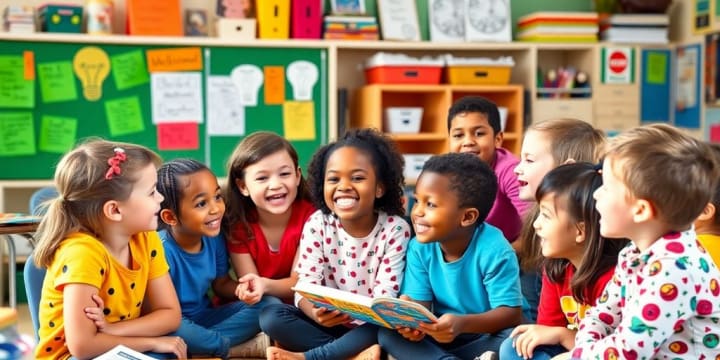
It might seem early to talk politics with kids, but there are some real benefits. Teaching kids about different political viewpoints is actually super important for how they grow and learn. It's not about pushing a certain side, but more about helping them think for themselves.
- * It helps them learn to think critically by looking at information and asking questions.
- * It teaches them how to talk to others respectfully, even when they disagree.
- * It gets them ready to be active citizens who vote and get involved in their communities.
> Getting kids interested in politics early can help them feel like they have a say in what happens around them. It's about giving them the tools to understand the world and make their own choices as they get older. Plus, it helps them see that their voice matters.
It's also good because it helps them understand that not everyone thinks the same way. Understanding different views can make them more understanding and accepting of others.
It can also help them get better at solving problems because they'll be able to see things from different angles.
Wrapping It Up
Talking about politics with kids can be a bit like trying to explain why broccoli is good for you—necessary, but not always easy. But we can do it!
It’s totally fine for kids to ask questions or even have different views. The key is to help them think about how these ideas play a role in their lives.
I kept it simple with the main points they can grasp right now, just to get them started on understanding our world and the different opinions out there.
In the end, whether you’re on Team Share-All-The-Toys (Democrats) or Team Bring-Your-Own-Toys (Republicans), we’re all just trying to keep things running smoothly, like a playground.
Sometimes, you just have to figure things out together or let the kids sort it out on their own.
Frequently Asked Questions
### What is a political party?
A political party is like a team that has similar ideas about how to run the country. They work together to solve problems and make decisions.
### What does the Republican Party believe?
The Republican Party, also known as the GOP, believes in individual responsibility. They think people should take care of themselves and prefer lower taxes.
### What does the Democratic Party believe?
The Democratic Party believes in helping people, especially those who are struggling. They support higher taxes on the wealthy to fund things like schools and healthcare.
### How do elections work for these parties?
In elections, people vote for candidates from either the Democratic or Republican Party. Each party has its own leaders who decide on rules and plans.
### What are the symbols of the Democratic and Republican Parties?
The Democratic Party is represented by a donkey, while the Republican Party is represented by an elephant. These symbols help people remember which party is which.
### Can people from the same family have different political views?
Yes! Just like how some family members might like different sports teams or ice cream flavors, they can also have different opinions about political parties.
### Why is it important to learn about politics?
Learning about politics helps kids understand how decisions are made that affect their lives, like school funding and community services.
### What are some famous figures from each party?
Famous Democrats include Barack Obama and Joe Biden, while famous Republicans include Abraham Lincoln and Ronald Reagan.
### How do Democrats and Republicans differ on government help?
Democrats think the government should help people more, while Republicans believe in less government involvement and more personal responsibility.
### What does it mean to be a Democrat or a Republican?
Being a Democrat usually means you support social welfare and helping others, while being a Republican often means you support individual freedom and business.
### How can I explain politics to my friends?
You can use simple examples, like comparing political views to choosing games or snacks, to show how different people have different ideas.
### What should I do if I disagree with someone’s political views?
It's okay to disagree! You can share your ideas respectfully and listen to theirs, just like discussing your favorite book or movie.
About the Creator
Thakur S
I am curious individual who likes to write and share stuff around range of topics. Personally I would love to share any information through my vocal media content consistently to my loving readers.
How I Minimized My Digital Shadow Without Disappearing From the Internet
A few months ago, I did something uncomfortable. I searched my own name. Not just on Google. I checked social media platforms, old forums, public directories, and even usernames I used years ago. I searched my email address. I searched my phone number. I wanted to see what someone else could see.
By Stephano kambeta3 days ago in Education
Discovering the Art of Fly Angling: A Complete Beginner’s Guide to Getting Started
Fly fishing is widely considered one of the most rewarding and artistic forms of fishing. Unlike traditional fishing methods that rely on heavy bait or lures, fly fishing uses lightweight artificial flies that imitate insects and other small aquatic creatures. The technique requires patience, rhythm, and a strong understanding of water conditions and fish behavior. For many anglers, learning fly fishing opens the door to a deeper appreciation of nature and the peaceful environments where fish thrive.
By Joe Sottolano2 days ago in Education


Comments
There are no comments for this story
Be the first to respond and start the conversation.