
How to Do Voice Over Like a Pro
How to Do Voice Over Like a Pro
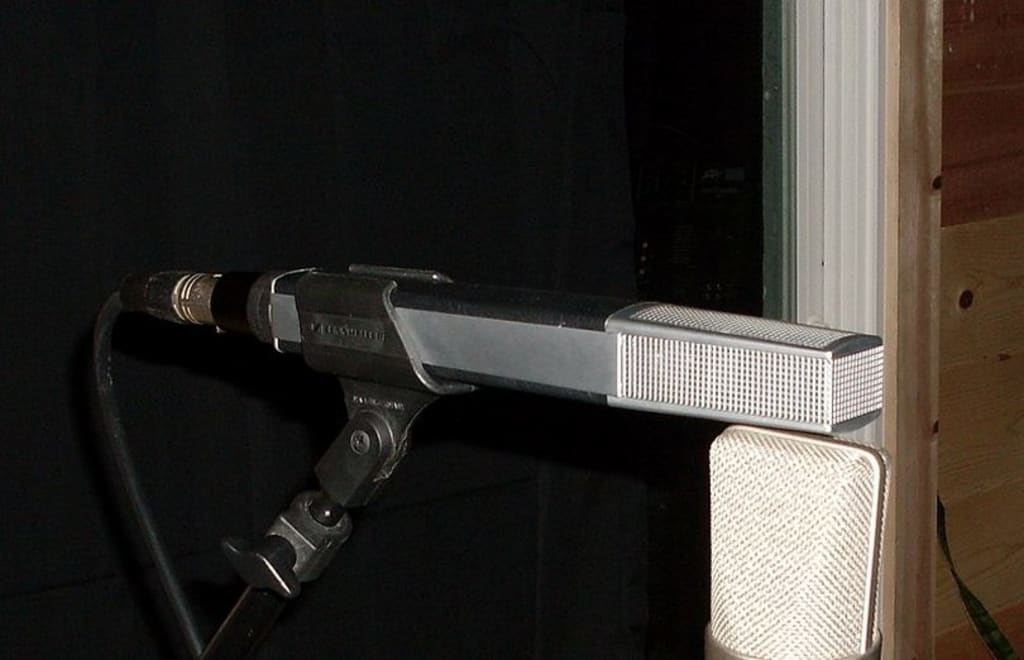
If you're looking to get into the world of voice over, it's not as easy as just going on YouTube and recording yourself saying something. There are some things that professional voice actors do that make them stand out from other people who are trying to do the same thing. In this article, I'll share my best tips for doing professional voice over work like a pro!
Get the right equipment
First thing first, here is few essential equipment that a voice over must have:
• Get a good microphone.
• Get a good pop filter.
• Get the right recording software.
• Use a headset for better sound quality and isolation from background noises like your significant other snoring next to you in bed or traffic outside your window (yes, this actually happens).
Consider taking classes or getting training.
If you're interested in pursuing a career as a voice over artist, it's important to get training. You should consider taking classes or getting training from an expert in the field. Classes are great for learning the basics and can help you learn how to do your craft well. However, if you don't have the time or money for classes, there are still plenty of ways that you can learn on your own:
• Books (the Internet has plenty too)
• Online tutorials
Tone your voice.
Tone is the emotional quality of your voice. It's important to have a consistent tone when you're recording, so that listeners can hear what you're trying to say without being confused by changes in pitch or volume.
Here are some examples of different tones:
• A happy yet concerned tone
• An angry but sincere one
• An upbeat and excited one
Remember, different voice tones required for different fields. For medical narration voiceover, you must should use proper voice tone, similarly for commercial voiceover, you will have to use another voice tone.
Focus on how you say things, not what you're saying.
The voice is the window to your soul. It's what people notice first and it sets the tone for everything else you do or say. If your voice sounds like a robot, it will make them wonder if they're listening to an automated message or just straight up bad audio quality.
The best way to ensure that your voice sounds natural is by focusing on how you say things rather than what you're saying (which can become difficult when trying out new voices). A good rule of thumb: When in doubt, keep it simple! If there's no other option but something complicated, try using shorter sentences instead—it'll help keep things sounding more relaxed as well as making sure they don't sound too robotic when read out loud."
Practice, practice, practice!
Practice, practice, practice! The more you do it the easier it will become and the more natural it will feel.
• Practice in front of a mirror to see how your voice sounds coming out of your mouth. If you're having trouble pronouncing words or making sure that the sound is consistent throughout each word then this is an easy fix!
• Practice with someone else (a friend or family member) so that they can help set up a recording environment for you and make sure all equipment works properly before starting any project together. This way no one has to rush through their recording session because they forgot something important like an adapter which could cause problems later on down the road if not addressed beforehand due to lack of knowledge about how things work together prior to making recordings within any given space/location where there isn't necessarily oxygen available 24/7 so even though there may only be one person present at any given time during said time frame - whether it's just him/her freaking out over something unexpected happening while doing work offsite while also taking care of other responsibilities related directly back home where his wife lives too which means she'll get upset if he doesn't come home soon enough...
You can learn to do voice over professionally with consistent work and the right training.
If you're serious about making money from your voice over skills, it's important to know that it's not easy. You'll need to be committed and consistent in your training.
So let's get started!
Conclusion
I hope this guide has given you a better understanding of how voice over works and what it takes to get your own career off the ground. If you're looking for more information about what it takes to do voice over professionally, check out our article on How To Get Your Voice Over Career Started.
About the Creator
Kiran Jacob
My Self Kiran Jacob, I graduated with my degree in BSc. Physics. I chose that field of study because I’ve always been interested in science, and but now I am a free lancer blogger and working as Digital Marketing Executive as a part-time.
Keep reading
More stories from Kiran Jacob and writers in Education and other communities.
4 Popular Human Resource Certification Courses to Shape Your Career
The world of human resources can be a difficult one to navigate, especially if this is your first time working in the field. Though it's certainly possible to learn on the job and develop your own expertise over time, it helps to have a strong foundation before entering into any new role. That's where certification courses come in. When pursuing certification as a human resources professional, you can choose from several popular programs that will give you valuable insight into everything from administrative duties to recruitment strategies. Here are four common HR certifications that every professional should consider taking:
By Kiran Jacob3 years ago in Education
Why UMPCO Fasteners Still Solve Critical Aerospace Problems Today
When I started researching legacy aerospace fastener manufacturers, I wasn’t just looking for brand names—I was looking for solutions to real aviation problems. Structural failure, vibration fatigue, corrosion at altitude, and long-term reliability are challenges that every aerospace engineer eventually faces. One name that repeatedly surfaced in technical documentation and historical aerospace supply chains was UMPCO fasteners.
By Beckett Dowhan6 days ago in Education
Best Laptop for Digital Art
In the vibrant world of digital art, the right laptop can be your greatest creative ally. Whether you're sketching breathtaking illustrations, designing compelling graphics, or animating entire worlds, you need more than just a machine you need a digital canvas that brings your ideas to life.
By Home Care Ranksabout 19 hours ago in Education



Comments
There are no comments for this story
Be the first to respond and start the conversation.