
How to Develop Emotional Intelligence
Mastering Your Emotions: A Guide to Developing Emotional Intelligence

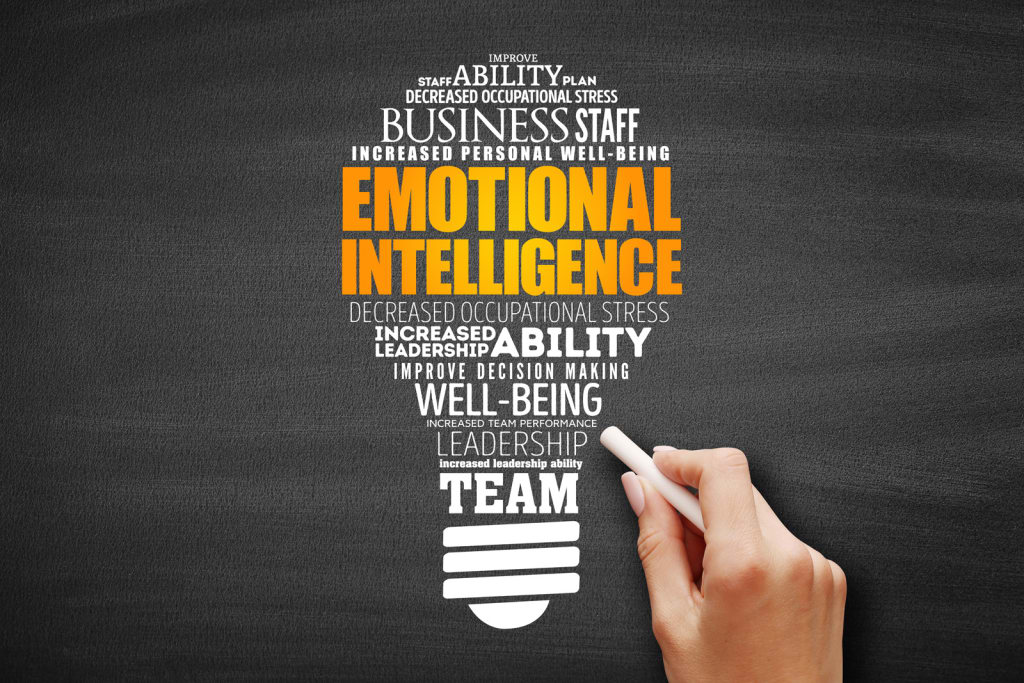
Emotional intelligence, often referred to as EQ, is the ability to understand, manage, and express emotions effectively while also being aware of and empathetic toward the emotions of others. In today's world, where interpersonal communication and collaboration are crucial, emotional intelligence has become just as important, if not more so, than technical skills. People with high emotional intelligence are often better at handling stress, building relationships, and making thoughtful decisions.
Developing emotional intelligence is a journey that requires self-awareness, practice, and patience. While some people may naturally have a high EQ, it is a skill that can be cultivated and refined over time. Here are key strategies to help you build and enhance your emotional intelligence.
Self-awareness is the cornerstone of emotional intelligence. It involves recognizing your emotions and understanding how they influence your thoughts and actions. To develop self-awareness, start by regularly checking in with yourself. Pay attention to your emotional responses throughout the day and identify the triggers behind them. Journaling can be a helpful tool for reflecting on your emotions and gaining insights into your patterns of behavior. By becoming more attuned to your emotions, you can respond to situations in a more thoughtful and controlled manner.
Self-regulation is another critical component of emotional intelligence. It involves managing your emotions in a way that is constructive and appropriate for the situation. While it's natural to feel angry, anxious, or frustrated at times, emotional intelligence allows you to express these feelings in a healthy and controlled way. Techniques such as deep breathing, mindfulness, and taking a brief pause before reacting can help you regulate your emotions. The goal is not to suppress your feelings but to manage them in a way that maintains your composure and promotes positive outcomes.
Empathy is a fundamental aspect of emotional intelligence and involves understanding and sharing the feelings of others. When you practice empathy, you become more attuned to the emotions and perspectives of those around you. This can strengthen your relationships and improve your communication skills. To develop empathy, practice active listening by giving your full attention to others without interrupting or judging. Try to put yourself in their shoes and validate their feelings, even if you don't necessarily agree with their perspective.
Effective communication is closely tied to emotional intelligence. Being able to express yourself clearly and listen attentively to others fosters meaningful connections and reduces misunderstandings. Pay attention not only to the words being spoken but also to non-verbal cues such as body language and tone of voice. When communicating, use "I" statements to express your feelings without blaming others. For example, say "I felt hurt when you didn't include me" rather than "You ignored me." This approach encourages open and constructive conversations.
Another key aspect of emotional intelligence is social awareness, which involves understanding the dynamics of social interactions and the emotions of groups. Developing social awareness requires paying attention to social cues and being mindful of how your actions impact others. By observing the dynamics in various social settings, you can become more attuned to group dynamics and build stronger connections.
Building strong relationships is a natural outcome of high emotional intelligence. People with well-developed EQ tend to be more approachable, empathetic, and understanding, making them better at forming and maintaining relationships. To cultivate meaningful connections, be genuine and authentic in your interactions. Show appreciation and acknowledge the contributions of others. When conflicts arise, approach them with a problem-solving mindset rather than placing blame. This fosters trust and strengthens bonds.
Developing emotional intelligence also involves cultivating resilience, which is the ability to bounce back from challenges and setbacks. Life is filled with uncertainties and difficulties, but how you respond to these situations can make a significant difference. Building resilience requires maintaining a positive outlook, seeking support from others when needed, and learning from failures. Practicing self-compassion and focusing on solutions rather than dwelling on problems can help you navigate difficult times with grace and strength.
Mindfulness plays a crucial role in developing emotional intelligence. By practicing mindfulness, you can become more present and aware of your thoughts, feelings, and surroundings. This heightened awareness allows you to better understand your emotional responses and make conscious choices in how you react to situations. Mindfulness techniques such as meditation, deep breathing, and body scans can help you cultivate a greater sense of self-awareness and emotional regulation.
Self-motivation is another essential component of emotional intelligence. It involves setting goals, staying focused, and maintaining a positive attitude despite challenges. People with high self-motivation are driven by their internal values and aspirations rather than external rewards. To develop self-motivation, set meaningful and achievable goals, celebrate your progress, and cultivate a growth mindset that views challenges as opportunities for learning and improvement.
It's important to recognize that developing emotional intelligence is a lifelong journey. There will be times when you falter or struggle to manage your emotions, but each experience offers an opportunity for growth and learning. Be patient with yourself and embrace the process. As you continue to practice and refine your emotional intelligence skills, you will find that your relationships improve, your decision-making becomes more thoughtful, and your ability to navigate life's challenges strengthens.
In conclusion, emotional intelligence is a powerful skill that can enhance your personal and professional life. By developing self-awareness, self-regulation, empathy, effective communication, social awareness, and resilience, you can become more emotionally intelligent and better equipped to handle the complexities of modern life. Remember that emotional intelligence is not about being perfect but about being present, understanding, and compassionate toward yourself and others. As you cultivate these skills, you'll find greater fulfillment and success in your interactions and experiences.
About the Creator
Nora Ariana
Empowering through stories and sound igniting purpose, sparking growth, and awakening the power within.
Keep reading
More stories from Nora Ariana and writers in Education and other communities.
A goal is a dream with a deadline
A goal is a dream with a deadline. This powerful quote reminds us that without action, dreams remain just that wishes floating in our imagination. But when we set a timeline and commit to achieving them, they evolve into goals, bringing clarity, direction, and purpose. Many people go through life holding on to dreams, hoping they will come true someday. But someday is not a day on the calendar. Dreams without structure often fade with time or get buried under the weight of daily responsibilities. Turning a dream into a goal is what separates those who achieve from those who continue to wish.
By Nora ArianaExclusive • 10 months ago
EdTech and Smart Classroom Market to Attain USD 498.5 Billion by 2032
The Global EdTech and Smart Classroom Market presents a substantial long-term opportunity, expected to scale from USD 146.8 billion in 2023 to USD 498.5 billion by 2032. With a projected CAGR of 15%, the market is benefiting from increasing investments in digital curriculum platforms, AR/VR-enabled learning, AI-driven assessment systems, and connected classroom ecosystems.
By Roberto Crum4 days ago in Education
Clear Paths to Discover Your Purpose in Life
Finding direction in life is a common human search. Many people want their work and daily actions to feel meaningful. When you discover your purpose in life, you gain a sense of direction and inner peace. Purpose does not appear in a single moment for most people. It often grows through reflection, action, and learning. Small steps can lead to deep insight.
By Philip Raymond Baquie3 days ago in Education




Comments
There are no comments for this story
Be the first to respond and start the conversation.