
HOW TO CULTIVATE MILKY MUSHROOM?
milky mushroom cultivating process

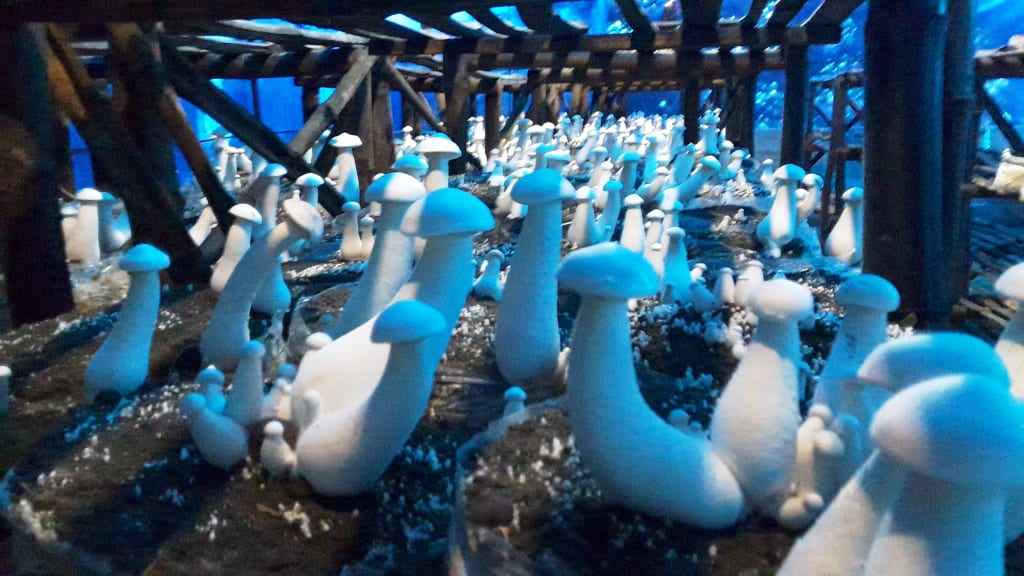
INTRODUCTION OF MILKY MUSHROOM
Milky mushrooms, also known as Calocybe Indica or Agaricus lanipes, are a type of edible mushroom that is native to India and Indonesia. They are a white or pale yellow color, and have a dense, meaty texture when cooked. Milky mushrooms are a good source of protein, fiber, and several essential vitamins and minerals.
They have a mild, nutty flavor that is similar to that of button mushrooms. Milky mushrooms are often used in a variety of dishes, including soups, stews, and stir-fries. They can also be eaten raw, either on their own or as part of a salad.
SOME INFORMATION OF MILKY MUSHROOM'S SHED AND TEMPERATURE
A milky mushroom shed is a structure that is specifically designed for the cultivation of milky mushrooms. It is typically a climate-controlled environment, with systems in place to regulate the temperature and humidity levels inside the shed.
The design of a milky mushroom shed will depend on a number of factors, including the size of the operation, the location of the shed, and the resources available. Some common features of a milky mushroom shed include:
1. A controlled ventilation system to maintain the temperature and humidity levels
2. A heating and cooling system to regulate the temperature inside the shed
Humidifiers and dehumidifiers to control the humidity level
3. A system for distributing water and nutrients to the mushroom beds
4. A system for waste management, including a composting area
5. A lighting system to provide the mushrooms with the necessary light for growth.
In general, the design of a milky mushroom shed should be focused on creating an optimal growing environment for the mushrooms, while also being efficient and cost-effective to operate.
To cultivate milky mushrooms, you will need a controlled environment, such as a greenhouse or mushroom shed, in which to grow them. The temperature and humidity inside the shed should be carefully regulated to create optimal growing conditions for the mushrooms.
In general, milky mushrooms prefer a temperature range of around 30-35°C (68-77°F). It is important to maintain a consistent temperature inside the cultivation shed to ensure that the mushrooms grow properly. The humidity level inside the shed should be kept at around 90% to encourage the growth of the mushrooms.
To maintain the temperature and humidity inside the cultivation shed, you may need to use heating and cooling systems, as well as humidifiers and dehumidifiers.
It is important to monitor the temperature and humidity levels regularly to ensure that they remain within the optimal range for mushroom growth.
HOW TO MAKE MILKY MUSHROOM'S FRUTING BAGS
To create a milky mushroom bed, you will need to follow these steps:
1. Select a suitable location for your mushroom bed. Milky mushrooms grow best in a cool, dark, and humid environment.
2. Purchase milky mushroom spawn from a reliable source. This is a mixture of milky mushroom spores and a substrate, such as straw or sawdust, that has been sterilized and inoculated with the spores.
3. Gently mix straw and spawn into the pp cover then to keep cool place and it will take 2 weeks to grow the mycelium inside the bag.
SOME TIPS TO MAINTAINING PADDY STRAW CUTTER
Here are some tips for maintaining a paddy straw cutter machine:
Keep the blades sharp. Dull blades can tear the straw, causing damage and leading to a poor-quality cut. Sharpen the blades regularly or replace them if they become too worn.
Clean the paddy straw cutter after each use. Remove any straw, dirt, or debris that may have accumulated on the machine. This will help prevent corrosion and ensure that the machine is ready for the next use.
Lubricate the moving parts of the paddy straw cutter regularly. This will help keep the machine running smoothly and reduce wear and tear.
Check the air filter and spark plug regularly. A dirty air filter can reduce the engine's performance, while a faulty spark plug can prevent the engine from starting. Replace these parts as needed.
Store the paddy straw cutter in a dry, sheltered location when not in use. This will help protect the machine from the elements and prevent rust and corrosion.
CASING SOIL PROCESS AND MUSHROOM GROWING
To casing soil on a milky mushroom bed, you will need to follow these steps:
1. Select a suitable location for your mushroom bed. Milky mushrooms grow best in a cool, dark, and humid environment.
2. Prepare the soil by adding a layer of compost or well-rotted manure to the area. The soil should be moist but not waterlogged.
2. Purchase milky mushroom spawn from a reliable source. This is a mixture of milky mushroom spores and a substrate, such as straw or sawdust, that has been sterilized and inoculated with the spores.
3. Spread the spawn over the prepared soil in a thin layer, and gently mix it into the top few inches of soil.
4. Water the bed lightly to moisten the soil and spawn.
5. Cover the bed with a layer of straw or other organic material to help keep the soil moist and provide a suitable environment for the mushrooms to grow.
6. Keep the bed moist by watering it regularly and wait for the mushrooms to begin growing. This can take several weeks to a month, depending on the conditions.
7. Once the mushrooms have matured, you can harvest them by gently pulling them out of the soil. Be sure to leave some behind to continue the growth cycle.
HARVESTING MILKY MUSHROOM WITH PICTURES
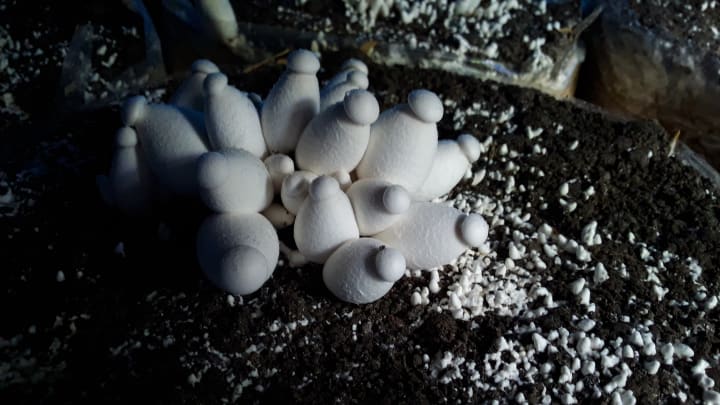
To harvest milky mushrooms, follow these steps:
1. Wait until the mushrooms have matured. Milky mushrooms are typically ready for harvest about 3-4 weeks after the spores have been planted.
2. Gently pull the mushrooms out of the soil. Use your fingers to loosen the soil around the base of the mushroom, and then gently lift it out.
3. Carefully cut the mushrooms from the stem using a sharp knife or scissors.
4. Place the mushrooms in a basket or container for transport.
5. Sort through the mushrooms and discard any that are damaged or diseased.
6. Store the mushrooms in a cool, dry place until you are ready to use them. They will keep for several days if stored properly.
HEALTH BENEFITS OF MILKY MUSHROOM
Milky mushrooms, also known as Phellinus Linteus or Sanghwang mushrooms, are a type of medicinal mushroom that has been used in traditional medicine for centuries. They are believed to have a number of health benefits, including:
Boosting the immune system: Milky mushrooms contain compounds called polysaccharides and beta-glucans, which are known to boost the immune system and help the body fight off infections.
Reducing inflammation: Some studies have shown that milky mushrooms can help reduce inflammation in the body, which may be beneficial for people with conditions such as arthritis or asthma.
Promoting heart health: Milky mushrooms contain compounds that may help lower cholesterol levels and reduce the risk of heart disease.
Supporting brain health: Some research suggests that milky mushrooms may help improve cognitive function and memory, and may even have a protective effect against Alzheimer's disease.
Reducing the risk of cancer: Some studies have shown that milky mushrooms may have anti-tumor properties and may help reduce the risk of certain types of cancer, such as breast and colon cancer.
I hope this information is helpful! It's important to note that more research is needed to fully understand the potential health benefits of milky mushrooms and to determine the optimal dosage and frequency of use. As with any dietary supplement,
it's always a good idea to consult with a healthcare provider before using milky mushrooms or any other medicinal mushroom.
END
About the Creator
AM1 MUSHROOM
Hi this is Mohamed Alishath from India and am doing mushroom cultivation and spawn production since 2012 then i have above 10 years experience in mushroom cultivation so i would like to share about mushroom and some other topics like story.
Reader insights
Nice work
Very well written. Keep up the good work!
Top insights
Excellent storytelling
Original narrative & well developed characters
Easy to read and follow
Well-structured & engaging content
Keep reading
More stories from AM1 MUSHROOM and writers in Education and other communities.
HOW TO CULTIVATE OYSTER MUSHROOM ?
INTRODUCTION OF OYSTER MUSHROOM Oyster mushrooms are a type of edible mushroom that get their name from their oyster-like shape and taste. They are native to temperate and subtropical regions of the world, and are commonly found growing on dead or dying trees.
By AM1 MUSHROOM3 years ago in Education
Free Laptop with GED Classes 2026: How Low-Income Adults & Students Can Get One
Earning your GED is a powerful step toward better jobs, higher pay, and long-term stability — but trying to study without a reliable laptop makes everything harder. The good news? In 2026, several legitimate programs and nonprofits are still giving free laptops specifically to people working on their GED or HiSET.
By Free Laptops From Governmenta day ago in Education
The Value of Respect
On a cold winter morning, the school hallways were still quiet when Bashir arrived, as he always did before sunrise. He unlocked the gates, swept the corridors, wiped the classroom windows, and cleaned the floors before the students came rushing in.
By Waleed khan3 days ago in Education


Comments
There are no comments for this story
Be the first to respond and start the conversation.