
How to Choose the Right Cosmetic Packaging Container for Your Product
by Javier Guandalini - 4everalive Labs

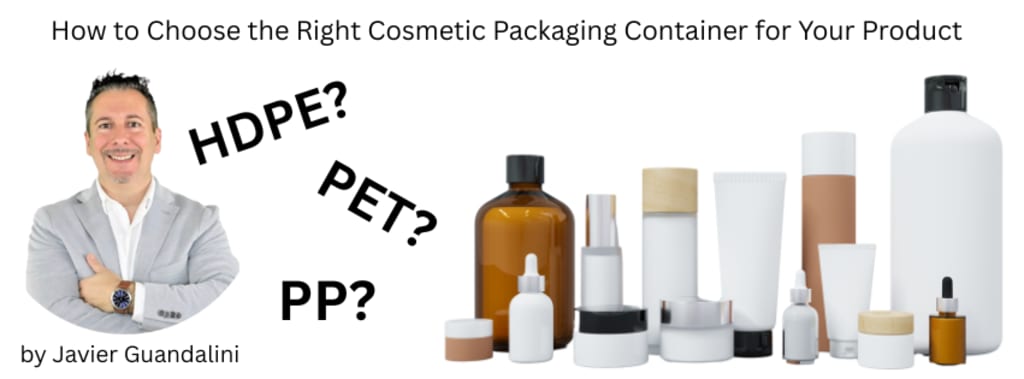
By Javier Guandalini, Founder of 4everAlive Labs
Choosing the right cosmetic packaging container is not just about aesthetics — it’s a critical part of product development that affects stability, usability, compliance, branding, and customer satisfaction. For small cosmetic manufacturers, making the wrong packaging choice can cost time, money, and reputation. This guide dives into all aspects of cosmetic packaging — from plastic types and sealing methods to cap threading and compatibility — so you can make informed decisions that support both your formula and your business.
________________________________________
Understanding Plastic Materials in Cosmetic Jars and Bottles
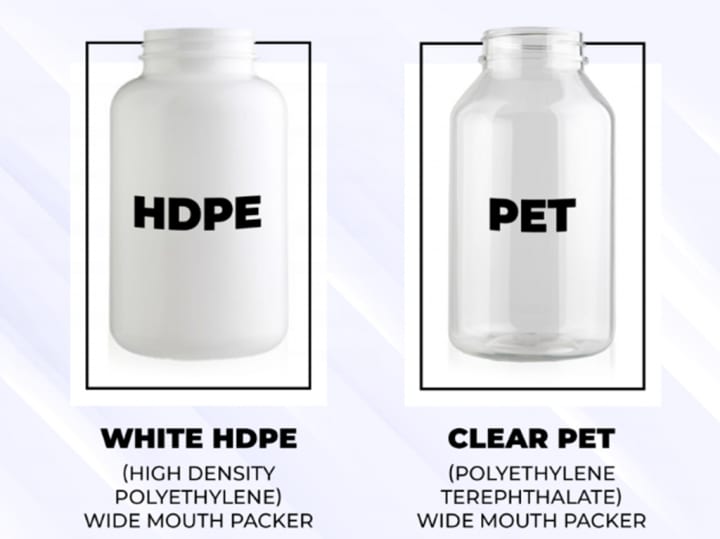
Plastic is the most common choice for cosmetic containers due to its versatility, cost-effectiveness, and lightweight nature. However, not all plastics are equal:
• PET (Polyethylene Terephthalate): Best for serums, toners, sprays, and light creams. PET is crystal clear, gives a premium look, and resists oils and alcohols but is not ideal for high pH or very acidic products.
• HDPE (High-Density Polyethylene): Opaque and resistant to most solvents. Great for shampoos, body washes, and formulations with strong surfactants.
• PP (Polypropylene): Offers high chemical resistance and is used often for creams, balms, and lotions. Less transparent but more stable.
• LDPE (Low-Density Polyethylene): Flexible and squeezable, making it great for tubes and squeeze bottles (like gels or pastes).
• Acrylic and SAN/AS: Used for premium packaging. Gives a glass-like look but not chemically resistant — often used with inner linings to avoid contact with the product.
Always test your formula with the plastic before mass production to ensure compatibility — especially with essential oils, acids, or alcohols.
________________________________________
Choosing the Right Container for Each Product Type
Here’s a quick reference for matching product types to the right container form and material:
• Serums and Facial Oils: Glass dropper bottles (amber or blue for light-sensitive ingredients), or PET airless pumps for non-reactive formulas.
• Creams and Moisturizers: PP jars or airless pumps. Jars should include an inner seal or liner to prevent contamination.
• Gels and Hair Products: PET or HDPE bottles with flip-top or disc caps. Tubes (LDPE or coextruded) are great for on-the-go use.
• Toners and Mists: PET bottles with fine mist sprayers.
• Lip balms and Butters: PP jars or stick tubes. Avoid clear plastics for wax-based products that can oxidize.
• Scrubs or Clay Masks: PP or HDPE jars with wide mouths for easy scooping.
________________________________________
Common Mistakes Small Cosmetic Businesses Make When Choosing Packaging
Many small cosmetic brands rush into packaging decisions without considering long-term impact. Some of the most common errors include:
• Choosing packaging based only on looks: Just because a jar is pretty doesn’t mean it’s compatible with your formula. Always test your product with the packaging material to avoid leaching, warping, or spoilage.
• Ignoring functional usability: Packaging that’s hard to open, leaks, or doesn’t dispense the product well frustrates customers. Think like a user and test with real people.
• Ordering in bulk too early: Avoid committing to thousands of units before validating product-market fit. Start small and scale up after feedback.
• Confusing thread sizes: A common issue is buying caps and jars that don’t match. Always match the neck finish (e.g., 24-410, 20-400) with the cap type to ensure a proper fit.
• Skipping sealing considerations: No induction liner or tamper seal? That’s a fast way to lose consumer trust or get hit with returns from contamination or leaks.
Avoiding these mistakes saves money, protects your formula, and builds a more professional image from day one.
________________________________________
Sealing Types: Keeping Your Product Safe and Compliant
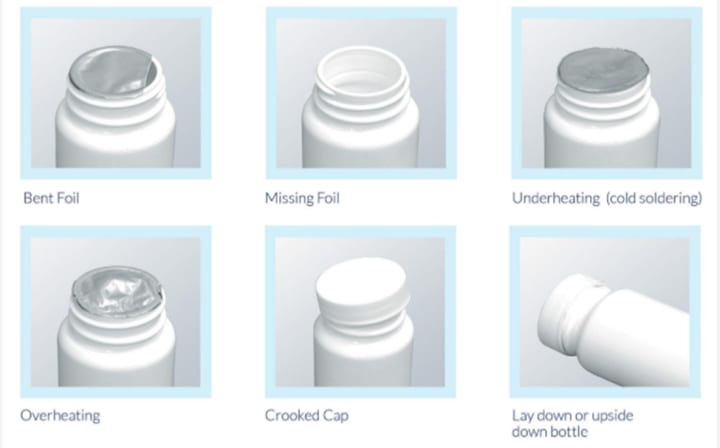
Sealing isn’t optional — it’s mandatory if you want your product to be shelf-stable and professional. Let’s look at your sealing options:
• Induction Sealing: Requires a foil liner and an induction machine. Best for liquid and oil-based products. Creates a hermetic seal that is tamper-evident and leakproof.
• Pressure Sensitive Liners: Stick to the rim once the cap is applied and pressure is exerted. Great for dry goods and some creams, but less secure than induction.
• Heat Seals (for tubes): Common in toothpaste-style or squeeze tubes. Requires a tube sealer or crimper.
• Shrink Bands: Added tamper evidence when combined with other methods. Often used around the neck or cap of jars and bottles.
________________________________________
Thread Measurements and Neck Finishes: What You Need to Know
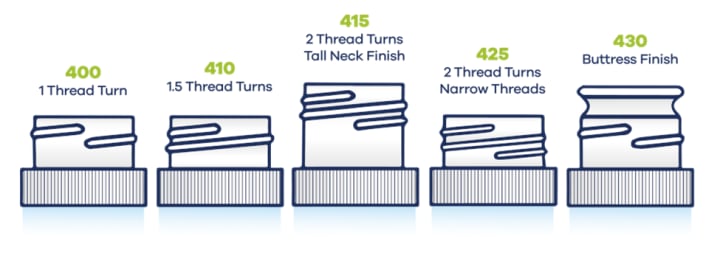
When it comes to screw-on caps, pumps, or sprayers, neck finish is everything. Here’s how it works:
• Example: 24-410
o The first number (24) is the diameter of the neck in millimeters.
o The second number (410) indicates the thread style and height of the neck.
• Common sizes: 20-400, 24-410, 28-410, 38-400.
• Compatibility: A 24-410 cap only fits a 24-410 bottle. Double-check specs before ordering.
________________________________________
Sustainability Considerations
Many consumers are now looking for eco-conscious packaging. Consider:
• Recyclable Materials: PET, HDPE, and glass.
• Refillable Packaging: Airless pumps or jars designed to be reused.
• Biodegradable Options: PLA or sugarcane-based plastics — still rare and more expensive, but growing in popularity.
________________________________________
Final Thoughts: Packaging Is Product
Don’t treat packaging as an afterthought. It’s part of the user experience, affects shelf life, and can influence the perceived value of your product. Take your time, test everything, and partner with reliable suppliers who understand small-batch manufacturing needs.
If you're a small cosmetic lab trying to build your brand, choosing the right packaging is one of the smartest investments you can make — and at 4everAlive Labs, we’ve helped dozens of new entrepreneurs avoid costly packaging mistakes and get to market faster, cleaner, and more confident. Questions?
________________________________________
Founder & Formulation Specialist
4everAlive Labs – Custom Cosmetics Manufacturing Solutions
U.S Florida
________________________________________
#CosmeticPackaging #CosmeticManufacturing #SkincareStartup #BeautyBrandTips #PackagingDesign #PlasticContainers #JarSelection #BottleTypes #HDPE #PETPackaging #PackagingMistakes #ProductDevelopment #InductionSeal #PressureSeal #CosmeticJars #SustainableBeauty #BeautyEntrepreneurs #SkincareFormulator #SmallBatchBeauty #BeautyPackagingTips #PrivateLabelCosmetics #ThreadFinish #CosmeticSeals #4everAliveLabs #JavierGuandalini
About the Creator
South Florida Business News
Welcome to South Florida Business Leaders – a blog dedicated to connecting and empowering entrepreneurs, professionals, and innovators in the vibrant and dynamic business landscape of South Florida.
Keep reading
More stories from South Florida Business News and writers in Education and other communities.
How Small Cosmetics Manufacturers Should Set Their Prices: A Comprehensive Guide to Profitable Growth
Setting the right price for a cosmetic product is one of the most important, and often underestimated, moves a small cosmetics manufacturer can make. In today's highly competitive and emotionally-driven beauty market, price tells a story. It defines how your brand is perceived, your profitability, and even your survival.
By South Florida Business News11 months ago in Education
How Artificial Intelligence Is Transforming Modern Industries
Artificial Intelligence (AI) is no longer a concept limited to science fiction or research laboratories. Today, AI technologies are deeply integrated into everyday life and are transforming how businesses operate, how services are delivered, and how people interact with technology. From healthcare and finance to marketing and transportation, AI is shaping the modern world in ways that were unimaginable just a decade ago.
By Rene Van Acker3 days ago in Education




Comments