
"How to Choose the Best Flooring for Your Home: A Comprehensive Review of Popular Building Materials"
Step into your dream home with the perfect flooring! Discover our comprehensive guide to popular building materials for every lifestyle.


"Your home is where memories are made, make sure it's standing on solid ground".
#flooring #homeimprovement
Table of Contents
Hardwood Flooring
Laminate Flooring
Vinyl Flooring
Tile Flooring
Carpet Flooring
Conclusion
Introduction:
Choosing the right flooring material is a critical decision for any homeowner. A quality flooring installation can last for decades, improving both the look and comfort of your home while also adding value. In this comprehensive review of popular building materials, we’ll break down the pros and cons of hardwood, laminate, vinyl, tile, and carpet, and provide recommendations for what applications each is best suited to.
Hardwood Flooring
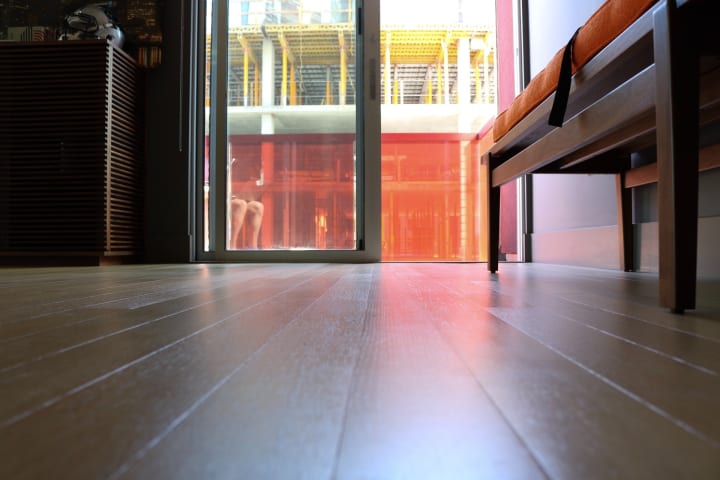
Hardwood flooring is a classic choice that can add warmth and charm to any home. This flooring type is available in a variety of species, finishes, and widths, and can be refinished multiple times to repair damage or to change its look. Consider the following when considering hardwood flooring:
Quality:
The quality of hardwood flooring varies depending on the species and grade of wood. Keep in mind that a high-quality hardwood flooring installation will be more expensive, but it's a worthwhile investment for homes where aesthetic appeal and resale value are a top priority.
Durability:
Hardwood flooring is generally durable, depending on the species of wood. Oak and maple are known for their durability and resistance to wear and tear, while softer woods such as pine, birch, and hickory may be more prone to scratches and dents. Hardwood floors can also be vulnerable to water damage and may require refinishing or replacement if exposed to prolonged water exposure.
Performance:
Hardwood flooring is a good choice for high-traffic areas and can also help prevent allergens and dust from accumulating in the home. The performance of hardwood flooring is also dependent on maintenance: regular sweeping and cleaning can help extend the life of the floors.
Cost-effectiveness:
Hardwood flooring can be a costly investment, usually ranging from $5 to $25 per square foot. However, hardwood flooring can add value to a home and improve its resale potential, which can make it a worthwhile investment.
Laminate Flooring
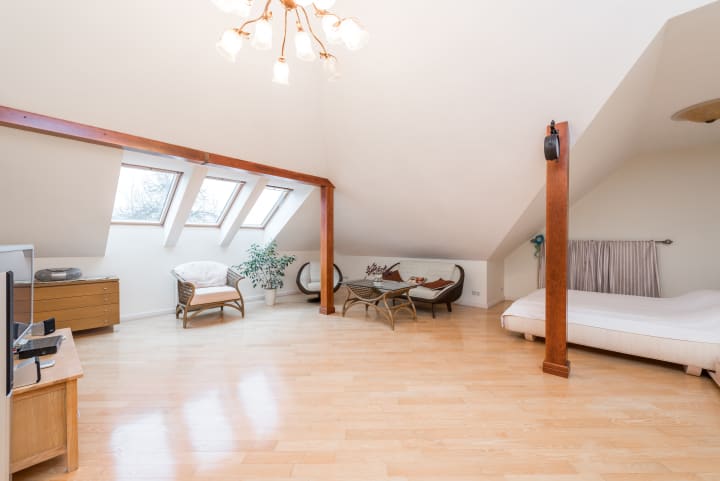
Laminate flooring is a budget-friendly alternative to hardwood flooring that is made of layers of synthetic material fused together with a lamination process. The top layer is a photographic image of hardwood, tile, or stone, but at a fraction of the cost and with easier installation. Here's what to consider when choosing laminate flooring:
Quality:
The quality of laminate flooring varies depending on how thick the plank is and the quality of the photographic layer. Lower-end laminate flooring may have a thin photographic layer that may peel or wear away with heavy use, while thicker, high-end laminates will be more durable.
Durability:
Laminate flooring is one of the most durable flooring options, as it resists stains, scratches, and wear and tear. However, the subfloor must be moisture-free and level, and laminate flooring can't be sanded or refinished like hardwood, which may require replacing large sections if damaged.
Performance:
Laminate flooring is a good choice for homeowners who want the look of wood or stone without the maintenance, as it is easy to clean and no waxing is required. It's also a good choice if you have pets or children, as it can withstand heavy traffic and spills.
Cost-effectiveness:
Laminate flooring is very cost-effective, generally costing between $2 and $8 per square foot. It is also relatively easy to install, which can save on labor costs.
Vinyl Flooring
Vinyl flooring is a popular choice for kitchens, bathrooms, and entryways because of its water and stain resistance and durability. Vinyl flooring comes in sheets, tiles, or planks and can mimic various natural materials like stone or wood. Here's what to consider when choosing vinyl flooring:

Quality:
Like laminate flooring, the quality of vinyl flooring can vary depending on the thickness and quality of the material. Higher-end vinyl flooring is thicker and has longer warranties than lower-end products.
Durability:
Vinyl flooring is highly durable, resistant to scratches, dents, and water damage, which makes it an excellent choice for high-traffic areas or homes with pets or children. Keep in mind that vinyl flooring is susceptible to fading, and heavy furniture can leave grooves or marks.
Performance:
Vinyl flooring is low-maintenance, easy-to-clean, and resists staining, making it a perfect choice for busy households. Vinyl flooring can also be installed over a variety of surfaces, including concrete, wood, or existing vinyl.
Cost-effectiveness:
Vinyl flooring is one of the most budget-friendly flooring options, typically ranging between $1 and $5 per square foot. The installation process is also straightforward, which makes vinyl flooring an excellent choice for DIY projects.
Tile Flooring
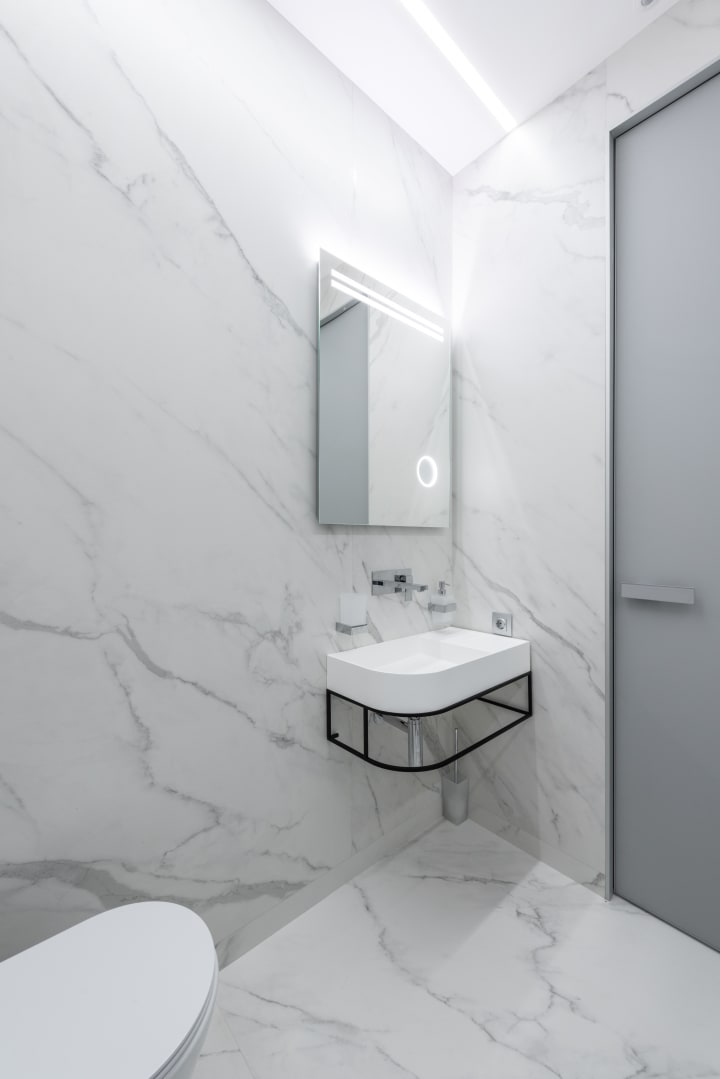
Tile flooring is a popular choice for bathrooms, kitchens, and mudrooms because of its durability and water resistance. Tile can be made of porcelain, ceramic, or natural stone like slate or limestone. Here's what to consider when choosing tile flooring
Quality:
The quality of the tile depends on the material used, the grade, and the manufacturing process. Porcelain or ceramic tiles are available in many patterns, colors, and textures, but natural stone tiles offer a unique and upscale look that can be varied and complex.
Durability:
Tile flooring is highly durable and resistant to water and scratches. However, it can be prone to cracking or breaking if heavy objects are dropped on it, making it less suitable for children's playrooms or home gyms.
Performance:
Tile flooring is low-maintenance, easy-to-clean, and resists staining, making it a perfect choice for high-traffic areas and spills. Tile can also help regulate the temperature in a home and reduce energy costs.
Cost-effectiveness:
The cost of tile flooring varies widely and is dependent on the type of tile used, the size of the area, and the installation fee. Tile flooring can be expensive, ranging from $5 to $30 per square foot, but natural stone tiles can be even more expensive.
Carpet Flooring
Carpet flooring remains a popular choice for bedrooms and living rooms because of its warmth, comfort, and noise-reducing qualities. Carpet is available in many colors, textures, and patterns and is an excellent choice for energy-saving and insulation purposes. However, choosing the right carpet involves weighing several factors:

Quality:
The quality of carpet depends on the fiber type, fiber twist, density, and backing. Nylon and wool carpets are more durable than polyester or olefin carpets and can handle high traffic well.
Durability:
The durability of carpet depends on the quality of the fibers, carpet padding, maintenance, and usage. Carpets can develop stains, wear, and tear over time and may need to be replaced after 10-15 years.
Performance:
Carpet is a good choice for homeowners who want to reduce noise, improve insulation, and add warmth to a room. However, carpet can be prone to stains, and pet hair and dander can be challenging to remove.
Cost-effectiveness:
The cost of carpeted flooring varies depending on the quality and type of carpet chosen. Generally, carpet is one of the more affordable flooring options, typically ranging from $2 to $15 per square foot. However, it's essential to factor in the cost of carpet padding and installation when budgeting.
Conclusion
Choosing the right flooring material is an important decision homeowners must make, considering the needs of the family, the usage of each room, and the longevity of each product. Consider the pros and cons of hardwood, laminate, vinyl, tile, and carpet flooring when making your choice. With the right flooring selection, you'll be able to achieve a beautiful, comfortable, and functional home.
About the Creator
Adil Ahamed
Blogger
Keep reading
More stories from writers in Education and other communities.
Institutional Email: What It Is, What It’s For, and How to Use It
There’s a huge difference between “having an email” and having an institutional email. A personal inbox is fine for everyday stuff. An institutional email works like an official key: it verifies who you are inside a school, university, or company—and it unlocks doors a personal email simply can’t.
By News Trends Go5 days ago in Education
Why Black History Matters in America?
The United States of America is celebrating their 250th anniversary in 2026. I'm proud to be an American and as someone who was born here, I wouldn't imagine myself living anywhere else. This is a country where opportunities are possible. Where anyone can be successful in anything they desire to do. Equality, community, and togetherness are the backbones of what America is and should be about. However, we have an administration who wants to erase and disregard those who have made positive, meaningful impacts in our country, specifically Black figures, such as Martin Luther King, Jr., Rosa Parks, and Maya Angelou. President Trump and his administration have been constantly complaining and fighting against what they call the "Woke agenda". They use this excuse as a distraction from other issues they refuse to address, such as the high cost of living, climate change, and inflation. That equality is dividing America, when in reality, it's bringing us together. Being woke is not tied to a specific political party. No matter where you stand on the political spectrum, you can still care about other people and their plights. Compassion and empathy for others isn't tied to a political party, either. We were taught as children to treat others the way we want to be treated and not judge others because they're different from us. Caring about others isn't a personal attack on your beliefs. It doesn't make you any less of a person. People who are easily offended over African American figures, past or present, or anything related to it, are grasping at straws. Current and future generations need to know who people like Harriet Tubman and Shirley Chisholm were, especially in the classroom. Black History is part of American History. It should be recognized, not hidden or forgotten. Besides, you can't shield children from everything, just because your feelings are easily hurt.
By Mark Wesley Pritchard 4 days ago in The Swamp
The Piggy Project
I’ve had so many names in this life I lose track of which ones were ever really mine and which ones I wore because someone needed me to. Some were handed to me before I had words to refuse them, before I knew what they meant, before I knew I could say no. Most weren’t meant to hurt. That doesn’t mean they didn’t leave marks. Marks that told me who I belong to, who I am by way of who claims me, recognizes me in the good and bad, who walks beside me.
By Fatal Serendipity4 days ago in Confessions



Comments
There are no comments for this story
Be the first to respond and start the conversation.