
How to Build High-Quality Backlinks Without Spending Money?
Proven free strategies to earn quality backlinks and boost SEO authority
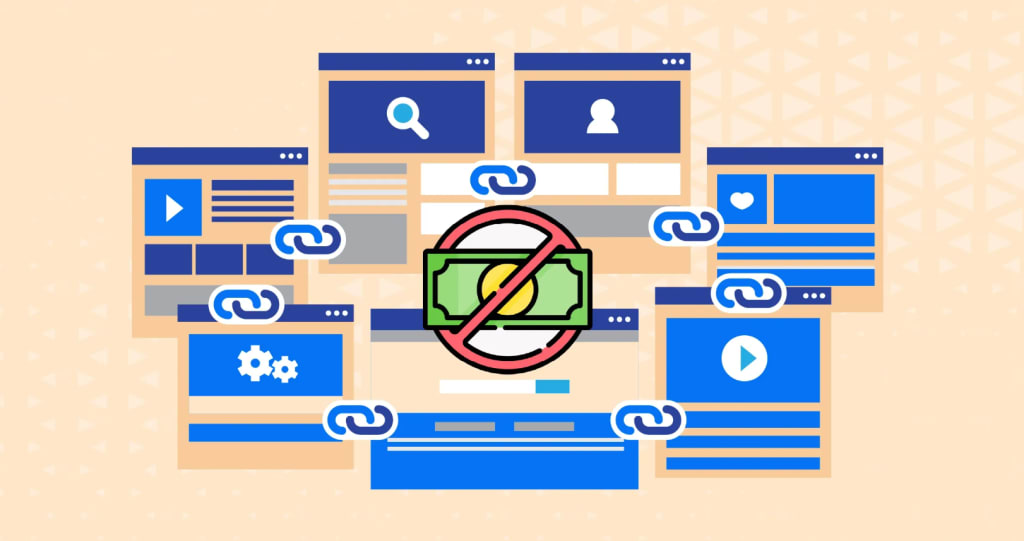
In the world of SEO, backlinks are often regarded as the internet’s vote of confidence. Search engines like Google use them as a ranking factor to gauge a site's authority and trustworthiness. But for beginners or solopreneurs operating on a shoestring budget, buying backlinks isn’t an option — nor should it be. High-quality, organic backlinks carry much more long-term value and don’t risk penalties.
This comprehensive guide outlines practical, ethical, and cost-free methods to build backlinks. Each tactic here is centered on creating real value, building relationships, and working with the tools and platforms already available to you — no paid link-building tools or agencies required.
1. Create Value-Driven, Shareable Content
Why Content Still Wins
The cornerstone of any strong backlink profile is content that’s genuinely useful. When your content educates, solves problems, or offers unique insights, it earns links naturally. This is what marketers call “link-worthy” content.
Whether you’re publishing a deep tutorial, a how-to guide, or a case study — the goal is to provide something better, more detailed, or more actionable than what already exists.
Types of Content That Attract Backlinks:
- Beginner’s Guides that simplify complex concepts.
- Step-by-step Tutorials for tools or platforms.
- Industry Case Studies showing data-backed results.
- Comparisons between tools, strategies, or methods.
- Original Research (even a small survey within your niche can work).
Example:
If you’re in the programming space, a detailed comparison of “Clang vs MSVC” or a tutorial on fixing VS Code C++ errors can naturally attract links from developer communities, blogs, and learning platforms.
Don’t just publish — promote. Once your content is live, actively share it with communities, groups, and contributors who might benefit from linking to it.
2. Leverage Online Communities and Niche Forums
Forums: More Than Just Discussion Boards
Online forums may seem outdated to some, but they remain active hubs for niche-specific discussions — from marketing to tech, health to home improvement. Contributing consistently to forums in your niche not only builds visibility but can also generate contextual backlinks.
How to Do It Right:
Join Forums That Allow Signature or Profile Links: Examples include Warrior Forum, Moz Community, and Digital Point.
Find Active Threads Relevant to Your Niche: Add insightful, well-thought-out answers.
Avoid Spamming: Add your link only when it adds genuine value.
Pro Tip:
Before you start dropping links, build a bit of credibility. Post thoughtful replies, answer questions, and support others. Once your profile seems trustworthy, adding a relevant link (like to a guide you wrote) will be accepted more naturally.
You can start with our curated forum submission sites list to find high-DA platforms where real discussions happen.
3. Guest Posting on Micro-Niche Blogs
Quality Over Quantity
Guest posting still works — but the game has changed. It’s not about mass-submitting the same article across different sites. It’s about identifying smaller, topic-specific blogs that actively publish new content and have a real, engaged readership.
How to Find Guest Post Opportunities:
Use search queries like:
“write for us + [your niche]”
“[topic] guest post submission”
Look for blogs with real authors, comment sections, and recent posts.
What to Offer:
- A unique topic that hasn't been covered on their blog.
- A well-researched article with internal links to their content.
- A subtle backlink in the author bio or contextually within the article.
Start small. Many niche site owners are happy to publish your content if it genuinely fits their site. Over time, guest posting can help you build a reputation and earn even more invitations without outreach.
4. Use Q&A Platforms to Your Advantage
Position Yourself as a Helper First
Platforms like Quora, Reddit, Stack Overflow, and Stack Exchange are often overlooked in SEO. But they offer excellent opportunities to build authority and earn no-cost backlinks — especially when your answers start ranking for long-tail queries in Google.
Best Practices:
Search for questions that have low competition but steady interest.
Write clear, formatted answers with bullet points and examples.
Add links sparingly — only when the resource you’re linking truly helps.
Even a single high-quality answer on Quora can earn thousands of views and multiple backlinks if picked up by bloggers or newsletters.
5. Submit to Article & Directory Submission Sites
Are Article Directories Still Worth It?
Yes — but only when done carefully. Unlike years ago, article directories should not be used to spam low-value content across the web. Instead, they can be a helpful discovery channel when the content is unique, niche-specific, and written for humans.
Key Points:
Focus on websites with high domain authority (DA) and active moderation.
Use a 100% original version of your content.
Don’t rely on directory links alone — use them as part of a balanced strategy.
Some updated platforms to consider:
- Medium
- Vocal.Media
- Substack
- HubPages
- GrowthHackers
Also consider submitting informative blurbs or summaries to our previously curated social bookmarking sites list to widen your content’s reach.
6. Turn Social Proof into Link Opportunities
Small Testimonials = Big Links
Here’s a strategy that works quietly but powerfully: offering testimonials. When you give feedback on tools, software, or services you’ve used, brands are often happy to publish your quote — along with a backlink to your website.
Examples:
- Write a thoughtful review of an SEO tool you’ve tried.
- Send a 2–3 sentence testimonial to the company.
- Include your name, role, and site link — many businesses link back as part of the feature.
Similarly, contribute mini-case studies where you highlight how a product or service helped you grow traffic, sales, or efficiency. Brands love this kind of PR, and in return, you get a high-authority backlink.
7. Repurpose and Redistribute Your Content
Don’t Just Publish — Multiply It
You’ve already spent time writing great content — why not repurpose it into different formats and submit it across various platforms for free backlinks?
Repurposing Ideas:
Convert a blog post into a slide deck and upload it to SlideShare.
Record a screen share tutorial and upload it to YouTube with your blog link in the description.
Turn a blog into a PDF checklist and submit it to document sharing sites like Scribd or Issuu.
Each of these platforms allows you to include links back to your site. Even if some are no-follow, they drive referral traffic and diversify your link profile — both of which are positive SEO signals.
8. Use HARO (Help A Reporter Out)
Get Quoted by Journalists
HARO is a free platform that connects journalists with sources. Once you sign up, you’ll receive emails 3 times daily with requests from reporters. Responding to relevant ones can land you links from sites like Forbes, Inc, or niche industry blogs.
How to Succeed with HARO:
Respond fast — journalists often work on tight deadlines.
Keep it concise and quotable.
Include your credentials and website link when appropriate.
Though HARO takes effort, one successful link from a major publication can skyrocket your domain trustworthiness and referral traffic.
9. Build Relationships, Not Just Links
Digital Networking Pays Off
One of the most overlooked strategies is simply being helpful. When you comment thoughtfully on blog posts, engage in Twitter/X threads, or connect with creators in your space, you increase the chance of earning organic mentions.
This doesn’t lead to backlinks overnight — but it sets the stage for guest post invites, co-authored content, podcast appearances, or unlinked brand mentions (which can be turned into links later via email outreach).
Conclusion: Be Consistent, Not Spammy
Building backlinks for free is not a hack — it’s a process. The tactics in this guide are sustainable, ethical, and beginner-friendly. What they demand is consistency and a value-first mindset.
Instead of obsessing over quick wins, invest time in:
Creating genuinely helpful content.
Being active in communities where your audience hangs out.
Making real connections with site owners and contributors.
Avoid black-hat shortcuts or spammy automation tools. Google's algorithms are smarter than ever, and the fastest way to lose rankings is by chasing shortcuts.
Backlinks are earned — not tricked. The more you show up with helpful insights, the more you'll get noticed, linked to, and trusted in your space.
About the Creator
What causes cavities
When a team of archaeologists recently came across some 15,000-year-old human remains, they made an interesting discovery. The teeth of those ancient humans were riddled with holes. Their cavities were caused by the same thing that still plagues us today: specific tiny microbes that live in our mouths.
By Munesh Yadav2 days ago in Education
How Business Coaching Helps Founders Scale With Clarity and Control
Business coaching assists founders to scale since hustle and reactivity are substituted with structure, systems and strategic leadership. Strategic coaching provides clarity in the marketing, operations, leadership, and decision-making roles of the business, eliminating the need to use the owner as the bottleneck, instead enabling the business to expand without havoc, burnout, or firefighting.
By Alice Adams6 days ago in Education
The CEO of Everything
They say "jack of all trades, master of none," but they forgot to mention the part where the jack of all trades is also the camera woman, the makeup artist, and the person currently yelling at a tangled Wii microphone cable in a her own bathroom while recording herself singing and trying to make it look realistic and professional. (As professional as you can make it with nothing but a cell phone camera and a mic that doesn't work)
By Sara Wilson4 days ago in Humans



Comments
There are no comments for this story
Be the first to respond and start the conversation.