
How To Bring Your Book to Life
From Editing to Distribution And Mastering the Modern Publishing Landscape


The world of publishing has evolved dramatically over the past few decades. Today’s authors face a dynamic landscape that offers a range of options to transform their manuscripts into polished, market-ready books. Whether you’re a seasoned writer or a first-time author, understanding the modern publishing process is key to making your work shine. In this comprehensive guide, we’ll explore everything you need to know—from editing and design to distribution and marketing—so you can confidently navigate your publishing journey.
The Evolution of the Publishing Landscape
Once reserved for those with connections to traditional publishers and literary agents, book publishing is now more accessible than ever. Advances in technology, especially in digital printing and on-demand production, have leveled the playing field. Authors can now choose between fully independent routes or hybrid approaches that combine traditional methods with modern self-publishing techniques.
This shift has empowered writers to retain creative control while still benefiting from professional expertise. The democratization of publishing means you can focus on your craft without getting bogged down in the logistical challenges of production and distribution.
Key Components of a Successful Publishing Journey
Creating a high-quality book involves multiple stages, each of which plays a critical role in ensuring your work reaches its full potential. Here are the essential components every author should consider:
1. Manuscript Preparation
Before diving into the world of publishing, ensure your manuscript is as polished as possible. This phase typically involves:
• Self-editing: Reviewing your work for clarity, flow, and coherence.
• Professional editing and proofreading: Hiring experts who can catch errors and offer constructive feedback to refine your manuscript.
2. Design and Formatting
A book’s design is its first handshake with the reader. An eye-catching cover and a well-formatted interior are crucial to capturing and retaining attention. Consider:
• Cover Design: Investing in a professional cover that conveys the essence of your story.
• Interior Formatting: Ensuring that the text is formatted for both print and digital consumption, enhancing readability across devices.
3. Production and Distribution
Thanks to modern print-on-demand technology, physical copies of your book are produced only when they’re ordered, minimizing waste and reducing upfront costs. At the same time, digital formats like e-books are readily available, ensuring your work is accessible on multiple platforms. For instance, platforms such as can offer insights into the broader publishing process.
Within this landscape, one prominent provider, Book Publishing Services serves as an example of a platform that offers comprehensive solutions, though its name is mentioned here only once to keep our focus broad. Such providers streamline everything from manuscript refinement to market launch, allowing you to concentrate on your creative vision.
4. Marketing and Promotion
In today’s crowded market, a great book won’t sell itself. Effective marketing is the bridge between your creative work and a broad readership. Consider incorporating these strategies:
• Digital Marketing: Use SEO techniques to optimize your online presence. Building a dedicated author website and engaging on social media platforms can help build a loyal following.
• Email Campaigns: Cultivate a mailing list to keep your readers updated on new releases, events, and promotions.
• Partnerships and Collaborations: Leverage networks and communities to amplify your reach. Connecting with influencers, attending book fairs, or collaborating with other authors can be highly beneficial.
Navigating the Options: Independent vs. Hybrid Models
When it comes to publishing, there isn’t a one-size-fits-all solution. Authors now choose from various models:
• Independent Publishing: Offers complete creative freedom. You are in charge of every decision, from editing to marketing. While this path requires significant effort and investment, it also provides the highest level of control.
• Hybrid Publishing: Combines the best of both worlds. You benefit from professional support without completely relinquishing your creative voice. This model is ideal for authors who want expert guidance while maintaining significant input over the final product.
Embracing Trends and Innovations in Publishing
Modern publishing is continually evolving. Here are some trends that are reshaping the industry:
• Digital-First Strategies: With the rise of e-books and audiobooks, many authors now prioritize digital releases. This approach offers global reach without the traditional costs of print.
• Data-Driven Marketing: Advanced analytics allow authors to understand reader behavior and tailor promotional strategies effectively.
• Sustainable Practices: Environmental concerns are influencing production methods. Print-on-demand not only reduces waste but also supports eco-friendly publishing practices.
Practical Tips for Authors
To maximize your success in this dynamic field, consider these practical tips:
• Plan Thoroughly: Define your goals, budget, and timeline before choosing a publishing path.
• Invest in Quality: Skimping professional editing or design can undermine the overall quality of your book.
• Engage with Your Audience: Build relationships with your readers early on. A strong community can be invaluable for word-of-mouth promotion and long-term success.
• Stay Informed: The publishing world is fast-paced. Keeping abreast of the latest trends, technologies, and market insights will help you make informed decisions throughout your journey.
Conclusion
Modern publishing offers unprecedented opportunities for authors willing to embrace the full spectrum and strategies. By understanding the key elements—from manuscript preparation and design to distribution and marketing—you can transform your creative work into a compelling, professionally produced book that resonates with readers worldwide.
Navigating this evolving landscape requires careful planning and a willingness to adapt. Whether you choose the fully independent route or a hybrid model, the ultimate goal remains the same: to share your story with the world in the best possible light. Embrace the journey, invest in quality, and let your passion for writing shine through every page.
About the Creator
Amelia Goldstien
Amelia Goldstein is an experienced content writer with over six years of experience in creating compelling and engaging content. She specializes in digital marketing, SEO, and social media and has worked with a variety of industries.
Keep reading
More stories from Amelia Goldstien and writers in Education and other communities.
What to Expect When Working with a Book Editor
If you've poured your heart and soul into writing a book, that's an amazing achievement! But before you rush to hit "publish," remember this: editing is as important as the writing itself. A professional editor will take your work to the next level – think of them as the magnifying glass revealing hidden potential and the polish that makes your story shine.
By Amelia Goldstien2 years ago in Education
Key Qualities to Look for in a Financial Advisor for Your Retirement Goals
Choosing a financial advisor is one of the most important decisions you will make as you prepare for retirement. The right advisor can help you create a strong financial plan, protect your savings, and guide you through complex decisions about investments, taxes, and income distribution. Since retirement planning involves long-term commitments, it is essential to work with someone who understands your goals and values. Knowing what to look for in a financial advisor ensures you choose a professional who can support your financial security for years to come.
By Keith D'Agostino5 days ago in Education
Hosting a Book Fair
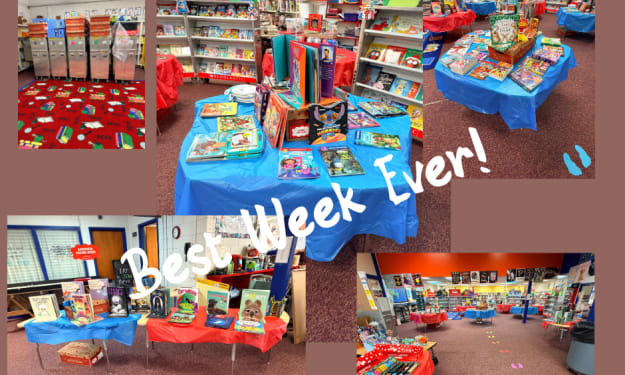
How many of you remember the “best week ever!” from when you were a child? Book fairs were the staple of many of our childhoods with Scholastic leading the way. While there are many choices for book fairs today and I absolutely want to talk about them, that’s going to be a later article.
By Reb Kreyling6 days ago in Education



Comments
There are no comments for this story
Be the first to respond and start the conversation.