
How to become data science or analytics on google.
Make money anywhere you live in the world.

To pursue a career in data science or analytics with Google, here are some steps you can take:
1. Develop a strong foundation in mathematics and statistics: Data science and analytics require a solid understanding of mathematical concepts, including linear algebra, calculus, and probability. Strengthening your quantitative skills will be beneficial.
2. Acquire programming skills: Proficiency in programming is essential in data science. Learn languages commonly used in data analysis, such as Python or R. Google provides various resources, including online courses and documentation, to help you learn these languages.
3. Gain knowledge in data manipulation and analysis: Familiarize yourself with data manipulation techniques, such as cleaning, transforming, and visualizing data. Learn popular data analysis libraries and tools like pandas, NumPy, and Matplotlib.
4. Learn machine learning concepts: Understand the fundamentals of machine learning, including supervised and unsupervised learning algorithms, model evaluation, and feature engineering. Explore machine learning libraries like scikit-learn and TensorFlow.
5. Get hands-on experience with real-world projects: Practice your skills by working on projects that involve data analysis, predictive modeling, or machine learning. These projects can showcase your abilities to potential employers.
6. Explore Google's educational resources: Google offers several educational platforms and resources related to data science and analytics. Check out the Google Developers website, Google Cloud Platform documentation, and the TensorFlow website for tutorials, courses, and examples.
7. Earn relevant certifications: Consider pursuing relevant certifications, such as the Google Cloud Certified - Professional Data Engineer certification or Google Analytics Individual Qualification (IQ). These certifications can validate your skills and enhance your credibility.
8. Build a strong online presence: Create a professional online presence by showcasing your projects, sharing insights on data science topics, and participating in relevant communities. This can help you network and connect with professionals in the field.
Remember that while Google offers various tools and resources, building a successful career in data science or analytics also involves continuous learning, staying updated with industry trends, and gaining practical experience through internships or job opportunities.
Can I learn this course anywhere in the world?
Yes, you can learn data science or analytics courses from anywhere in the world. The field of data science has a wealth of online resources, courses, and platforms that enable remote learning. Here are a few options:
1. Online learning platforms: Platforms like Coursera, edX, Udacity, and DataCamp offer a wide range of data science and analytics courses. These platforms provide access to high-quality courses taught by instructors from renowned universities and industry experts.
2. MOOCs (Massive Open Online Courses): Many universities offer data science courses as MOOCs, allowing learners worldwide to access course materials and lectures for free or at a nominal cost. Examples include courses from Stanford University, Massachusetts Institute of Technology (MIT), and University of Washington.
3. YouTube and online tutorials: YouTube hosts numerous tutorials and video series on data science and analytics topics. You can find channels dedicated to teaching data science concepts, programming languages, and machine learning algorithms.
4. Open-source communities: Open-source communities like Kaggle, GitHub, and Stack Overflow provide platforms for learning and collaboration. You can find datasets, code samples, and participate in discussions related to data science projects.
5. Local universities and colleges: If you prefer an in-person learning experience, check if local universities or colleges offer data science or analytics programs. Many institutions have adapted their courses to accommodate remote or blended learning formats.
Remember to research and choose reputable sources when selecting courses or learning materials. Look for reviews, ratings, and feedback from other learners to ensure the quality and relevance of the content. Additionally, practicing hands-on with real-world projects and actively participating in data science communities can significantly enhance your learning experience and practical skills.
Can I learn this course for free in google?
While Google offers a wide range of resources for learning data science and analytics, it's important to note that most of their courses and certifications are not available for free. Google Cloud Platform (GCP) provides various learning resources, but many of them require payment or enrollment in their certification programs.
However, Google does offer some free resources that can help you get started with data science and analytics:
1. Google's Python Class: This free online class provides a basic introduction to Python programming and covers fundamental concepts that are relevant to data analysis and manipulation.
2. Google's Machine Learning Crash Course: It's a free, self-paced online course that covers the fundamentals of machine learning. The course provides interactive exercises, instructional videos, and real-world examples to help you understand machine learning concepts.
3. Google Colab: Colaboratory, commonly known as Google Colab, is a free cloud-based Jupyter notebook environment. You can use it to write and execute Python code for data analysis, visualization, and machine learning tasks.
4. Google's Analytics Academy: Google offers free online courses through their Analytics Academy, where you can learn about Google Analytics and gain insights into web analytics and data-driven decision-making.
While these resources can be a great starting point, it's important to consider that pursuing a comprehensive data science or analytics education typically requires a combination of free and paid resources. You may need to explore other platforms, such as Coursera, edX, or Udacity, to find free or low-cost data science courses that suit your needs.
Can I be able to get a job and work from anywhere in the world after learning?
Yes, pursuing a career in data science or analytics can offer opportunities for remote work and the ability to work from anywhere in the world. Here are a few reasons why:
1. Remote-Friendly Field: Data science and analytics are fields that can be conducted remotely with the help of internet connectivity and cloud-based tools. Many companies recognize the benefits of remote work for data-related roles, allowing professionals to work from anywhere as long as they have the necessary infrastructure.
2. Global Demand: Data science and analytics skills are in high demand worldwide. Organizations of all sizes and industries require professionals who can extract insights from data, make data-driven decisions, and solve complex problems. This demand increases your chances of finding remote work opportunities in various locations globally.
3. Freelancing and Consulting: After gaining expertise in data science or analytics, you can choose to work as a freelancer or consultant. Freelancing platforms and consulting firms often offer remote project opportunities, allowing you to work with clients from different parts of the world while maintaining your desired work location.
4. Remote-Friendly Companies: Many technology companies, including those in the data science and analytics space, embrace remote work and have distributed teams. These companies may have policies that enable employees to work remotely or offer remote job positions specifically tailored to data-related roles.
5. Startups and Remote-first Companies: Startups and companies that prioritize remote work from the outset may provide opportunities to work remotely in data science or analytics roles. These organizations often value talent and expertise over physical location.
While the ability to work remotely in data science or analytics can be possible, it's important to note that specific job requirements, industry norms, and company policies may vary. It's advisable to research job market trends, target companies that offer remote work options, and stay updated with the evolving landscape of remote work in the data field.
About the Creator
Keep reading
More stories from Danny Okoye and writers in Education and other communities.
The Great Wealth Shift Accelerates
The Great Wealth Shift Accelerates The precious metals market has entered a period of extreme turbulence—and for prepared investors, that turbulence is opening the door to a historic transfer of wealth. Silver surges more than 60% in weeks, collapses 20% overnight. Gold demand smashes all-time records. Meanwhile, powerful players scramble to secure physical supply at discounted prices. This is not random volatility. It is a structural reset, shifting value away from leveraged paper markets and toward real, tangible metal.
By Lakhwinder Singha day ago in Education
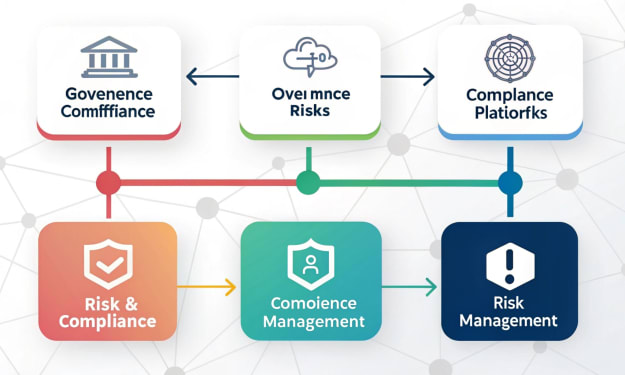
Governance Risk and Compliance Platforms Supporting Secure and Compliant Operations
Governance, risk and compliance platforms have become essential tools for organizations navigating complex operational, regulatory, and digital environments. These platforms help businesses establish clear governance structures, identify and manage risks, and ensure compliance with evolving regulations. As organizations face increasing pressure to protect sensitive data, maintain transparency, and meet regulatory obligations, governance, risk and compliance platforms provide a structured and integrated approach to managing these challenges.
By Bobby Yadav3 days ago in Education



Comments
There are no comments for this story
Be the first to respond and start the conversation.