
How to Become a Microbiologist in India
Only step by step guide to become a microbiologist in India


Microbiology is a fascinating branch of biology that focuses on the study of microscopic organisms, such as bacteria, viruses, fungi, and protozoa. Microbiologists play a vital role in research, diagnostics, healthcare, food industry, pharmaceuticals, and environmental science. If you are passionate about the unseen world and curious about the science that influences many aspects of human life, microbiology could be a perfect career path. Let’s explore the steps to become a microbiologist in India, detailing the education path, job roles, career opportunities, and salary prospects.
Understanding What a Microbiologist Does
Before embarking on the journey to become a microbiologist, it is important to understand what microbiologists do. Their primary role involves the study of microorganisms, understanding their behaviour, impact on humans, animals, plants, and the environment, and developing methods to harness their benefits or mitigate their harm.
Microbiologists work in diverse sectors like research labs, hospitals, diagnostic centres, pharmaceutical companies, food production industries, agriculture, and environmental organisations. Some of the common tasks include:
- Conducting experiments to study microorganism behaviour.
- Developing new vaccines, antibiotics, or medical treatments.
- Ensuring safety and quality control in food production.
- Monitoring environmental pollutants and their effects.
- Diagnosing diseases caused by microorganisms.
Educational Path: Microbiology Courses After 12th
To become a microbiologist in India, you need to start with the right educational foundation. After completing your 12th standard in the science stream, preferably with biology, chemistry, and physics, you can enrol in microbiology courses that lay the groundwork for your career.
Here are the key educational steps:
The Bachelor of Science (BSc) in Microbiology is the first step to becoming a microbiologist. It is a 3-year undergraduate program that covers topics such as general microbiology, microbial genetics, immunology, virology, and industrial microbiology. You will also get hands-on experience in labs.
Eligibility for BSc Microbiology:
- Completion of 10+2 with biology, chemistry, and physics.
- A minimum of 50-60% marks in your 12th standard.
Once you complete your bachelor’s degree, pursuing a Master of Science (MSc) in Microbiology is highly recommended. It is a 2-year postgraduate program that delves deeper into areas like molecular biology, microbial biotechnology, advanced immunology, and environmental microbiology. M.Sc Microbiology also opens up opportunities for research positions and specialised roles in industries.
Eligibility for MSc Microbiology:
- A BSc in Microbiology or related life sciences with at least 50% marks.
- Entrance exams might be required for admission into top universities.
Additional Courses and Specializations
After completing MSc Microbiology, some may choose to further specialise through a PhD in Microbiology or courses in allied fields like:
- Medical Microbiology
- Environmental Microbiology
- Industrial Microbiology
- Food Microbiology
PhD programs are research-intensive and can lead to academic careers, cutting-edge research roles, and leadership positions in biotech or pharmaceutical companies.
Skills Required for a Career in Microbiology
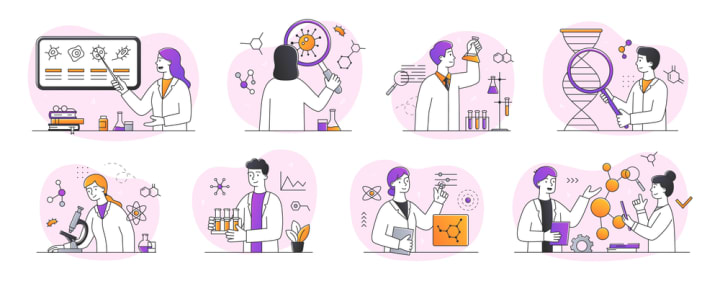
While a degree is essential, certain skills will enhance your prospects of becoming a successful microbiologist. Some of these include:
- Analytical skills: The ability to understand complex data and identify patterns.
- Problem-solving: Devising solutions to problems related to microorganisms, such as infections, contamination, or environmental impact.
- Attention to detail: In microbiology, even small changes in experiments or samples can significantly impact results.
- Communication: Microbiologists must be able to clearly communicate their findings, both in writing and verbally.
- Technical proficiency: Hands-on experience with lab equipment, microscopy, and advanced techniques like PCR, chromatography, and electrophoresis.
Job Roles and Responsibilities
A microbiologist’s job can vary significantly based on their specialisation and the industry they work in. Here are some common roles:
Research Microbiologist
Research microbiologists work in academic institutions or private research labs to explore how microorganisms function, mutate, or react under certain conditions. They conduct experiments, publish scientific papers, and contribute to scientific advancements.
Medical Microbiologist
Medical microbiologists work in hospitals, diagnostic labs, or pharmaceutical companies, identifying harmful pathogens and helping develop treatments or vaccines for diseases. This role is crucial in combating infectious diseases.
Industrial Microbiologist
In the food, beverage, or pharmaceutical industries, industrial microbiologists ensure the safety and quality of products by studying microbial contamination and creating protocols to prevent it.
Environmental Microbiologist
Environmental microbiologists study how microorganisms impact ecosystems. They may work for environmental agencies, helping mitigate pollution, waste management, or studying bio-remediation processes.
Also Read: Top Reasons to Study B Tech in Food Technology
Microbiologist Salary in India
The salary of a microbiologist in India depends on factors such as education, experience, and industry. As a fresher with a BSc in Microbiology, you can expect an entry-level salary ranging from INR 4 to 6 lakhs per annum. With an MSc and several years of experience, this can increase to INR 8 to 10 lakhs per annum.
In research and specialised roles, especially with a PhD, salaries can reach higher figures, going beyond INR 10 lakhs per annum. Medical microbiologists and those in senior positions in pharmaceuticals or biotech industries also earn competitive salaries.
Microbiology Study and Career Growth
After completing your formal education, continuous learning and specialisation are key to growing in the microbiology field. Many microbiologists continue their education through certifications, short-term courses, or advanced degrees in specialised areas. For those interested in academic or research careers, obtaining a PhD is essential.
Networking with professionals, attending conferences, and keeping up with the latest research through journals and publications can also boost career opportunities. Moreover, internships or industrial training during your course can give you practical exposure and make you more employable.
Future Prospects for Microbiologists in India
India’s growing focus on healthcare, pharmaceuticals, food safety, and environmental conservation means that microbiologists will remain in high demand. The increasing interest in biotechnology, genetic engineering, and microbial research for disease prevention, agriculture, and bioenergy also offers promising career opportunities.
Microbiologists can find opportunities in diverse sectors such as:
- Healthcare and diagnostics
- Pharmaceuticals and biotechnology companies
- Agricultural research organisations
- Environmental agencies
- Food and beverage industries
- Government research institutions
Becoming a microbiologist in India requires a strong educational foundation in microbiology courses after 12th, continuous learning, and hands-on experience. With the demand for microbiologists on the rise, especially in medical research, food safety, and environmental protection, the field offers a promising career.
Choose a reputed institution like Shoolini University to gain the skills and knowledge you need to excel in this dynamic field. With dedication, curiosity, and a passion for science, you can unlock the many exciting opportunities that a career in microbiology holds. Shoolini University emerges as the top private university in India. Renowned for its cutting-edge research and innovation, Shoolini University offers comprehensive undergraduate and postgraduate programs in microbiology. Its focus on interdisciplinary learning and industry partnerships makes it an ideal choice for aspiring microbiologists.
Whether you aspire to work in research, healthcare, or industry, pursuing a BSc Microbiology followed by an MSc Microbiology, and potentially further specialisation, will set you on the path to a rewarding career.
About the Creator
Rahul Dhamija
I'm passionate about helping students navigate the ever-changing world of higher education.
I share my knowledge and the latest updates on college applications, financing your education, and making the most of your college experience
Keep reading
More stories from Rahul Dhamija and writers in Education and other communities.
Ultimate Guide for Research Courses after 12th
If you’re passionate about discovering the secrets of the world around you, science might have caught your attention in school. Whether it was dissecting frogs in biology or mixing chemicals in the lab, these experiences likely sparked your curiosity and a desire to make a difference through research.
By Rahul Dhamijaabout a year ago in Education
Speak and Be Heard: A Beginner’s Guide to Becoming a Podcast Host and Growing Your Audience
Becoming a podcast host is an exciting way to share your ideas, inspire others, and build a strong community. Whether you want to teach, entertain, or have great conversations, podcasting gives you a voice that can reach people around the world. But starting a podcast and growing an audience takes more than just a microphone. It requires planning, patience, and a real connection with your listeners. In this guide, you'll learn how to become a podcast host and grow your audience step by step.
By Spencer Hakimian4 days ago in Education
Beyond Deals: Building Alliances That Truly Scale
Strategic partnerships for growth help companies expand faster and smarter. They enable two or more businesses to work together to create shared value. Each partner brings skills, reach, or resources that the other lacks. When done right, strategic partnerships create long-term growth that feels natural and steady.
By Rushi Manche7 days ago in Education



Comments
There are no comments for this story
Be the first to respond and start the conversation.