
How to Become a Journalist After 12th
How to Become a Journalist After 12th

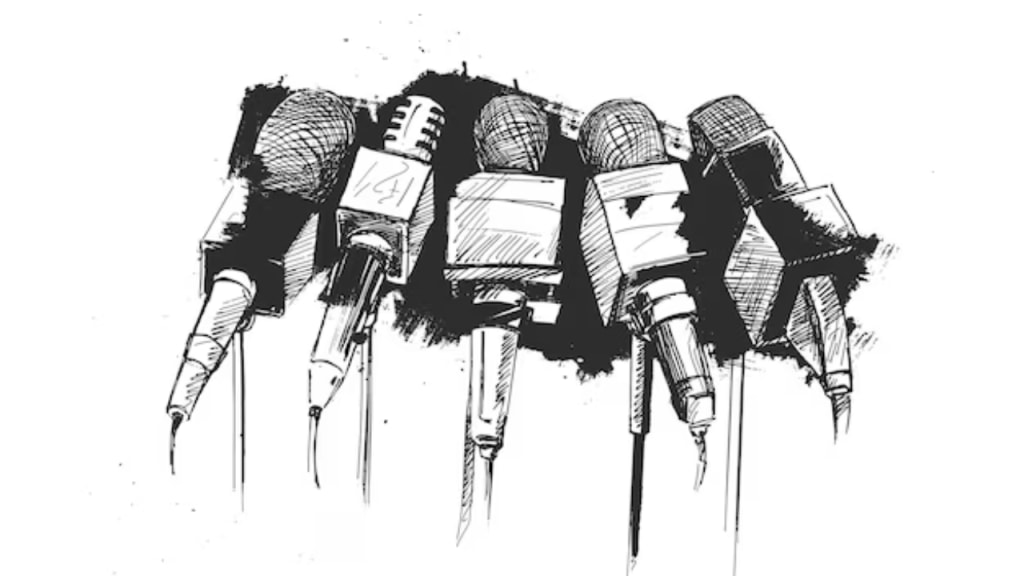
Picking a career in journalism is an exciting journey that begins with a passion for storytelling and a commitment to uncovering the truth. If you're wondering how to become a journalist after completing your 12th grade, let’s explore a clear roadmap, detailing the necessary educational paths, essential skills, and practical experiences required to thrive in the dynamic field of journalism.
Who Is a Journalist?
A journalist is a professional who investigates, collects, and presents information as news to the public. They play a crucial role in society by keeping people informed about events, issues, and trends through various media platforms, including newspapers, television, radio, and digital channels. Journalists can specialize in different areas such as politics, sports, entertainment, or investigative reporting, each requiring a unique set of skills and knowledge.
What Do Journalists Do?
Journalists are responsible for a range of tasks aimed at delivering accurate and engaging news content. Key responsibilities include:
- Researching and Investigating: Gathering information from various sources to uncover facts about a story.
- Interviewing: Conducting interviews with individuals relevant to the news story to obtain firsthand information and quotes.
- Writing and Editing: Crafting clear, concise, and compelling articles or scripts, followed by editing to ensure accuracy and coherence.
- Fact-Checking: Verifying information to maintain credibility and prevent the dissemination of false news.
- Reporting: Presenting news stories through various media formats, including written articles, video segments, or audio reports.
- Adhering to Ethical Standards: Maintaining journalistic integrity by following ethical guidelines, such as objectivity, fairness, and respect for privacy.
Educational Pathways: What to Study to Become a Journalist
After completing your 12th grade, pursuing formal education in journalism and mass communication is a common pathway to entering the field. These programs equip aspiring journalists with theoretical knowledge and practical skills essential for the profession.
Bachelor of Arts in Journalism and Mass Communication (BAJMC)
The Bachelor of Arts in Journalism and Mass Communication (BAJMC) is a three-year undergraduate program designed to provide students with a comprehensive understanding of media practices and principles. The curriculum typically covers subjects such as:
- Introduction to Journalism: Fundamentals of news writing, reporting, and ethics.
- Mass Communication Theories: Study of various communication models and their applications.
- Media Laws and Ethics: Understanding legal frameworks and ethical considerations in journalism.
- Digital Media: Exploration of online journalism, social media, and multimedia storytelling.
- Broadcast Journalism: Techniques for reporting and producing news for television and radio.
- Public Relations and Advertising: Insights into managing public image and promotional strategies.
Master of Arts in Journalism and Mass Communication (MAJMC)
For those aiming to deepen their expertise, the Master of Arts in Journalism and Mass Communication (MAJMC) is a two-year postgraduate program that delves into advanced topics such as investigative journalism, media management, and specialized reporting. Pursuing an MAJMC can enhance your credentials and open opportunities for higher-level positions within media organizations. Success in journalism requires a diverse skill set that combines technical abilities with interpersonal competencies. Key skills include:
- Writing Proficiency: Ability to write clear, engaging, and grammatically correct content tailored to the target audience.
- Research Skills: Competence in gathering information from credible sources and conducting thorough investigations.
- Communication Skills: Effective verbal and non-verbal communication for interviewing sources and presenting information.
- Critical Thinking: Analyzing information objectively to form balanced and well-supported conclusions.
- Adaptability: Flexibility to work in various environments and adapt to the evolving media landscape.
- Technical Proficiency: Familiarity with digital tools, content management systems, and multimedia production.
- Ethical Judgment: Strong sense of ethics to navigate complex situations and make responsible decisions.
Developing these skills can be achieved through academic coursework, workshops, and practical experiences.
Gaining Practical Experience: Internships for Journalism Students
Hands-on experience is invaluable in journalism. Participating in internships allows students to apply theoretical knowledge in real-world settings, build professional networks, and enhance their resumes. Internships can be pursued at:
- Newspapers and Magazines: Assisting in newsrooms with reporting, editing, and research tasks.
- Television and Radio Stations: Supporting production teams in creating news segments and broadcasts.
- Online Media Platforms: Contributing to digital content creation, social media management, and multimedia storytelling.
- Public Relations Firms: Engaging in media relations, press release writing, and event coordination.
Securing internships often involves applying directly to organizations, networking through academic institutions, or utilizing job portals.
Building a Professional Portfolio
A well-curated portfolio showcases your work and demonstrates your capabilities to potential employers. Your portfolio should include:
- Published Articles: Clippings from newspapers, magazines, or online publications.
- Broadcast Segments: Links or recordings of television or radio pieces you have worked on.
- Multimedia Content: Videos, podcasts, or photojournalism projects highlighting your storytelling abilities.
- Blog or Website: A personal blog or website featuring your best journalistic pieces, research, and opinions.
A strong portfolio is essential when applying for internships, jobs, or freelance opportunities, as it provides tangible proof of your skills and experience.
Career Paths in Journalism
Once you have completed your education and gained relevant experience, you can explore various journalism career options, such as:
- Print Journalism: Working with newspapers, magazines, and journals as a reporter, editor, or columnist.
- Broadcast Journalism: Becoming a television or radio news anchor, correspondent, or producer.
- Digital Journalism: Creating content for online platforms, blogs, and social media channels.
- Investigative Journalism: Conducting in-depth research and reporting on social, political, or economic issues.
- Photojournalism: Capturing compelling images to narrate stories visually.
- Political Journalism: Covering elections, government policies, and political debates.
- Sports Journalism: Reporting on sports events, interviewing athletes, and providing in-depth analysis.
- Entertainment Journalism: Covering movies, celebrity news, music, and cultural trends.
- Business Journalism: Reporting on financial markets, corporate developments, and economic trends.
If you’re looking for a top-notch institution to kickstart your journalism career, Shoolini University is an excellent choice. Their BAJMC (Bachelor of Arts in Journalism and Mass Communication) and MAJMC (Master of Arts in Journalism and Mass Communication) programs provide students with:
A curriculum that covers key aspects of journalism, media studies, and communication. Strong industry connections leading to job placements in top media organizations.
With its focus on experiential learning and industry exposure, Shoolini University ensures that students graduate with the skills and confidence needed to excel in the competitive world of journalism.
How to become a journalist after 12th is a question many aspiring storytellers ask. The journey begins with choosing the right education, developing essential journalism skills, gaining hands-on experience through internships, and building a strong portfolio. The media industry offers diverse career paths, from print and broadcast journalism to digital and investigative reporting.
With dedication, curiosity, and perseverance, you can establish yourself as a professional journalist and contribute to shaping public discourse in India and beyond.
About the Creator
Rahul Dhamija
I'm passionate about helping students navigate the ever-changing world of higher education.
I share my knowledge and the latest updates on college applications, financing your education, and making the most of your college experience
Reader insights
Nice work
Very well written. Keep up the good work!
Top insights
Easy to read and follow
Well-structured & engaging content
Excellent storytelling
Original narrative & well developed characters
Masterful proofreading
Zero grammar & spelling mistakes
Keep reading
More stories from Rahul Dhamija and writers in Education and other communities.
List of Top Entrance Exams in India after 12th
Stepping into higher education in India requires clearing competitive entrance exams, which serve as gateways to prestigious universities and professional courses. Whether you aspire to be an engineer, doctor, designer, lawyer, or business leader, choosing the right exam is the first step towards your dream career.
By Rahul Dhamija11 months ago in Education



Comments
There are no comments for this story
Be the first to respond and start the conversation.