
How to Be a Great Trader: A Comprehensive Guide to Trading Success
Mastering the Art of Trading: Strategies, Discipline, and Continuous Growth
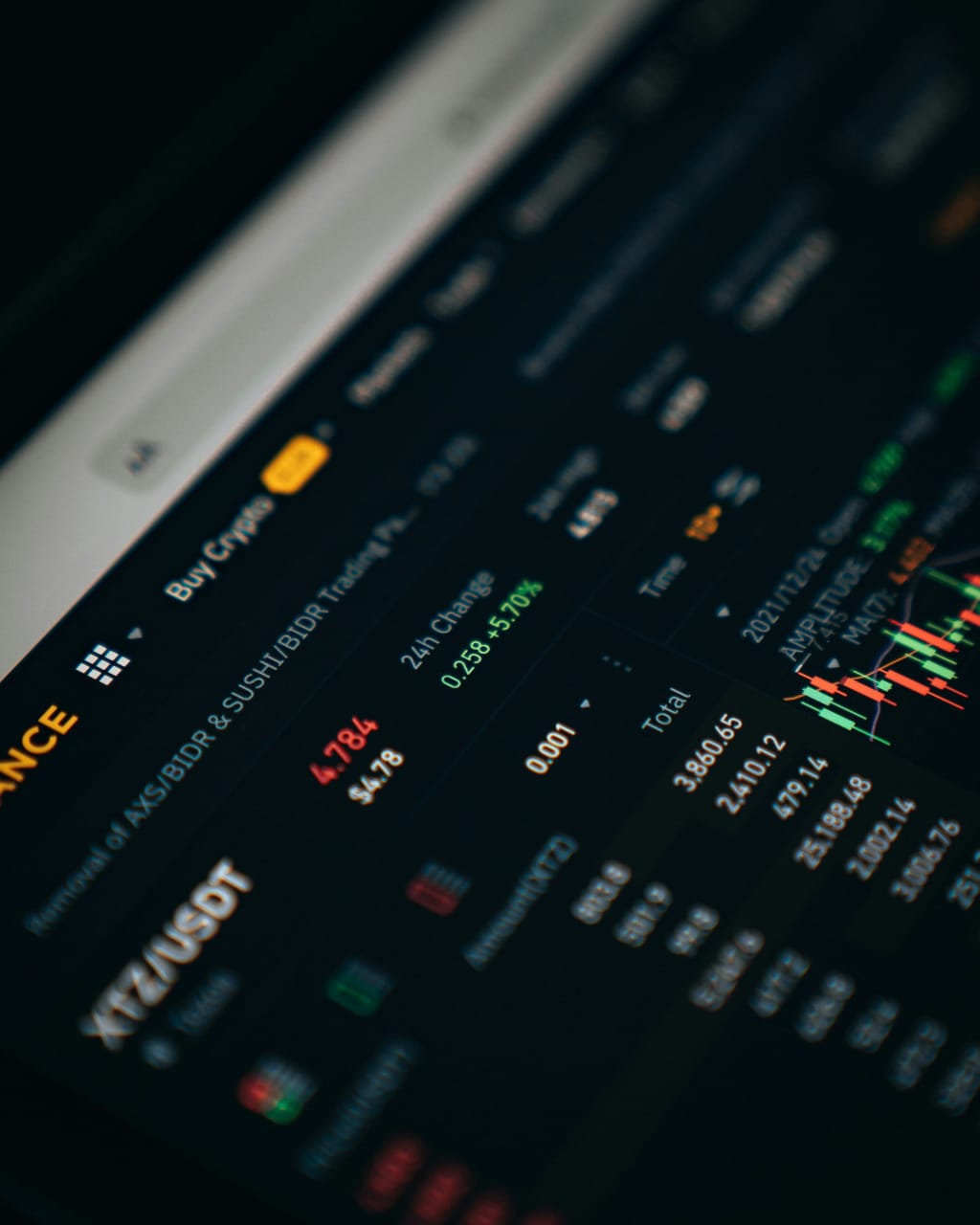
Becoming a great trader is a difficult task, but with the appropriate mindset, methods, and perseverance, anyone can succeed in the financial markets. Whether you trade equities, currencies, commodities, or cryptocurrencies, the basics of effective trading are the same. This article will lead you through the fundamental parts of becoming a successful trader, from understanding the markets to managing your emotions and establishing a sound trading strategy.
Understanding the Basics of Trading
Before delving into more sophisticated principles, it's critical to first understand what trading is and how markets work.
What is Trading?
Trading is the act of purchasing and selling financial items, such as stocks, currencies, or commodities, with the goal of profiting. Traders can profit by purchasing an asset at a lower price and selling it at a higher price (going long) or selling an item at a higher price and buying it back at a lower price (going short).
Types of Trading
Depending on the financial instruments and time frames you select, there are several types of trading:
Day Trading: Purchasing and selling assets on the same day.
Swing Trading: Holding trades for a few days or weeks to take advantage of market movements.
Scalping: To capture modest price swings, make fast trades over seconds or minutes.
Position Trading: Long-term trends can lead to trades being held for weeks, months, or even years.
Each sort of trading necessitates a unique technique and mindset, but the underlying goal is the same: to produce winning deals.
Developing the Right Mindset
Trading is more than just statistics and charts. Developing the appropriate mindset is an important aspect of being a good trader. Emotional regulation and discipline are critical.
Patience is Key
Patience is one of the most crucial skills a trader can have. Markets do not always move in the ways or at the times we expect. It's often preferable to stay out of the market and wait for the appropriate chance than to rush in and lose money. Learn to wait for high-probability opportunities rather than chasing the market.
Discipline Over Emotion
Emotional trading is one of the most common reasons traders lose money. Greed, anxiety, enthusiasm, and frustration can all result in unwise decisions. A successful trader must stick to their trading strategy and not be swayed by emotions. When you stick to your approach, you make objective decisions, which eventually leads to greater results.
Embrace Risk Management
Risk management is probably the most critical component of trading. Successful traders are aware that they will not win every deal, but they ensure that their losses are reasonable. Never risk more than a small portion of your cash on any single trade, and always use stop-loss orders to limit potential losses.
Creating a Solid Trading Plan
A great trader always has a plan. A trading plan is a series of guidelines that helps you decide when to start and exit deals, how much risk to take, and which assets to trade.
Setting Clear Goals
Before you begin trading, you need establish your objectives. Are you looking to create a full-time living from trading, or is it simply a side hobby? Your objectives will influence how much time you can devote to trading and which tactics are appropriate for you.
Choosing the Right Market
There are numerous marketplaces to trade in, including equities, FX, commodities, and cryptocurrencies. Each market has unique features, such as volatility, liquidity, and trading hours. Choose a market that suits your risk tolerance and trading style.
For example:
Stocks: Ideal for traders who are comfortable studying companies, earnings reports, and industry trends.
Forex (Currencies): Ideal for traders who prefer fast-paced activity and 24-hour trading.
Cryptocurrencies: Popular among traders who can handle extreme volatility and market sentiment analysis.
Backtesting Your Strategy
Backtesting includes running your trading strategy against historical market data to determine how it would have fared in the past. This allows you to discover the strengths and limitations of your plan before investing real money. If a plan has performed successfully in the past, it is more likely to succeed in the future, although no strategy is perfect.
Entry and Exit Rules
Every trading strategy should explicitly outline the rules for entering and exiting deals. For example, you might decide to initiate a trade when a stock breaks above a critical resistance level and quit when it reaches a predetermined profit target or falls below a support level.
Having clear guidelines keeps you from making rash decisions and helps you maintain consistency in your trading approach.
Mastering Technical and Fundamental Analysis
A successful trader uses both technical and fundamental analysis to make educated decisions.
Technical Analysis
Technical analysis is the examination of past market data, particularly price and volume, to forecast future price movements. Traders utilize charts and technical indicators to spot patterns and trends.
Some key tools in technical analysis include:
Support and Resistance Levels: These are the price levels at which an asset typically reverses direction.
Moving Averages: Help traders determine the overall direction of a market.
Relative Strength Index (RSI): Determines the strength of a market trend and aids in identifying overbought or oversold levels.
Mastering these skills allows you to more accurately identify entry and exit locations.
Fundamental Analysis
Fundamental analysis focuses on the asset's intrinsic value. For equities, this could include examining a company's financial health, such as earnings, revenues, and future growth prospects. For currencies, traders may use economic statistics such as interest rates, inflation, and employment figures.
The purpose of fundamental analysis is to determine whether an asset is overpriced or undervalued in terms of its intrinsic worth. Combining this with technical analysis provides a more comprehensive perspective of the market.

To Become a Great Trader, Join Now
Managing Risk and Protecting Capital
Risk management is an essential component of every successful trading plan. Even the best traders lose money on certain trades, but what distinguishes them is their ability to minimize losses while increasing profits.
Use Stop-Loss Orders
A stop-loss order will automatically close a trade if the price swings against you by a predetermined amount. This guarantees that you limit your losses on each trade and safeguard your funds from significant drawdowns.
Position Sizing
Position sizing is the amount of money you allocate to each trade. As a general rule, you should never risk more than 1-2% of your total cash on a single deal. This way, even if you have multiple loss transactions in a succession, your overall account balance will not be greatly affected.
Diversification
Do not put all your eggs in one basket. Diversifying your bets across assets and markets reduces the danger of a single occurrence resulting in significant losses. For example, if you only trade one stock and the company announces terrible news, you could lose a significant amount of your wealth. However, if you diversify among numerous equities or asset types, your losses will be spread more evenly.
Learning from Mistakes
No trader is perfect, and even the most experienced ones make mistakes. What distinguishes outstanding traders from the rest is their ability to learn from their failures and adapt their methods accordingly.
Keep a Trading Journal
A trading journal keeps track of all of your deals, including the reasons you entered and exited, as well as the results. Keeping a journal allows you to examine your previous trades and spot trends in your performance. It enables you to learn from both your achievements and failures, thereby strengthening your decision-making skills over time.
Review Your Performance Regularly
Take the time to frequently review your trading results. Are you making progress toward your goals? Are there any reoccurring errors you can prevent in the future? By continuously analyzing your progress, you may make the required changes to improve your outcomes.
To Become a Great Trader, Join Now
Continuous Learning and Improvement
Markets are always evolving, and so should you. To be competitive as a trader, you must commit to constant learning.
Stay Informed
Successful traders keep up with the latest market news, trends, and economic data. This knowledge has the potential to influence your trading decisions, so stay informed at all times. Use credible sources, such as financial news websites, economic calendars, and expert analysis.
Learn from Other Traders
Networking with other traders can be extremely helpful. Join online trading communities, attend seminars, and read books by accomplished traders. Other people's experiences can teach you a lot about how to avoid common pitfalls and implement tried-and-true solutions.
Adapt to Changing Market Conditions
Markets are dynamic, and what works in one setting may not work in another. Be open to adjust your strategies when the market evolves. For example, a successful strategy in a trending market may fail in a sideways or volatility market. Flexibility is critical to long-term success.
Conclusion
Being a great trader requires time, effort, and a dedication to ongoing growth. You may set yourself up for success by cultivating the appropriate mindset, adopting a good trading strategy, mastering technical and fundamental analysis, and efficiently managing risk. Remember that trading is a journey, not a sprint. Continue to learn, keep disciplined, and be patient, and you will see results in time. Happy trading!
About the Creator
Keep reading
More stories from writers in Education and other communities.
Best Laptop for Adobe Illustrator
If you’ve ever opened Adobe Illustrator and felt your laptop slow you down, lag on big files, or struggle with smooth zooming, this blogpost is for you. The right laptop can make designing feel fast, smooth, and honestly enjoyable.
By Projectorsea5 days ago in Education
The Role of Clear Communication in Strengthening Financial Client Relationships
In the world of finance, clear communication is not just helpful; it is essential. Whether discussing investment options, setting future goals, or explaining financial risks, professionals must convey information in a way that clients understand and trust. The strength of any long-term financial relationship depends heavily on how well both parties can communicate expectations, progress, and concerns.
By Michael Christopher Venturino2 days ago in Education




Comments
There are no comments for this story
Be the first to respond and start the conversation.