
How Teachers Can Connect With Their Students
Harry Allen Fawcett shares ways that teachers can connect with their students.

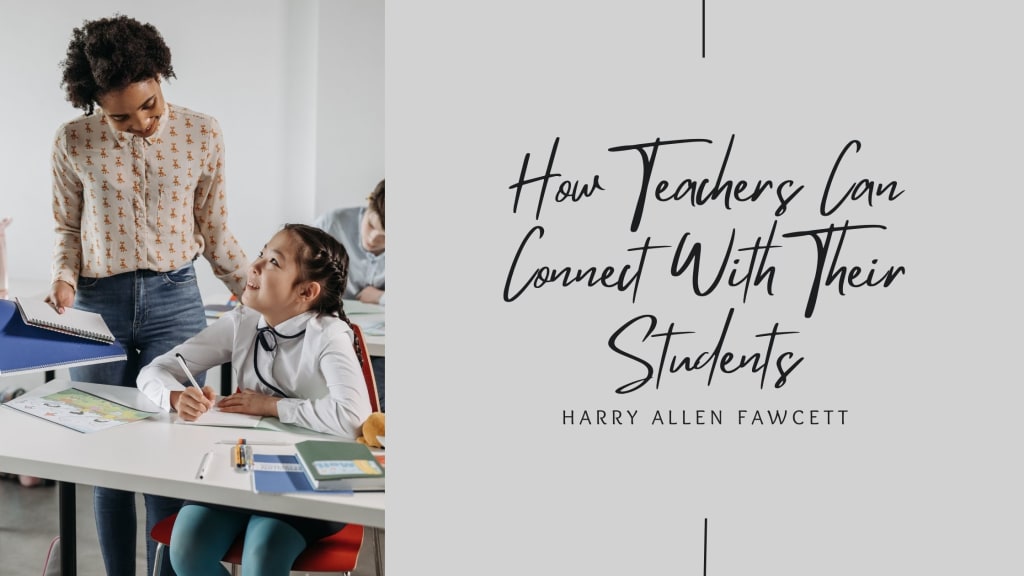
As an educator, fostering a strong connection with students is a cornerstone of effective teaching. When teachers establish meaningful connections, students are more engaged, motivated, and eager to learn. Building these connections enhances the learning experience and creates a positive and inclusive classroom environment.
Cultivate an Inclusive Classroom Environment
An inclusive classroom environment is essential for building connections with students from diverse backgrounds and experiences. Create a safe and welcoming space where all students feel valued and respected. Encourage open communication, listen actively to students' thoughts and concerns, and ensure that each student's voice is heard. When students feel included and accepted, they are more likely to engage and participate in classroom activities.
Show Genuine Interest in Students
Demonstrate a genuine interest in your students' lives and learning journeys. Take the time to get to know them personally and show empathy toward their experiences and challenges. Engage in informal conversations, ask about their hobbies and interests, and inquire about their aspirations. This strengthens the teacher-student bond and allows you to tailor your teaching approach to their individual needs.
Use Active Listening Techniques
Active listening is a crucial skill for teachers to connect with their students effectively. When students speak, pay full attention, maintain eye contact, and refrain from interrupting. Validate their feelings and ideas by paraphrasing and summarizing their thoughts. This demonstrates respect and empathy, making students feel valued and understood.
Encourage Student Participation
Encourage active student participation in classroom discussions and activities. Create a supportive environment where students feel comfortable expressing their opinions and sharing their insights. Recognize and praise their contributions, fostering a sense of accomplishment and self-confidence.
Provide Constructive Feedback
Offer constructive feedback that is specific, actionable, and focused on improvement. Frame feedback in a positive and supportive manner, highlighting students' strengths and areas for growth. Constructive feedback builds trust between teachers and students, promoting a growth mindset and a willingness to take on new challenges.
Incorporate Student Interests in Lessons
Incorporate students' interests and preferences into your lesson plans. Tailor learning activities to align with their hobbies, passions, and cultural backgrounds. When students see the relevance of their learning, they are more likely to engage actively and develop a deeper understanding of the subject matter.
Use Technology for Engagement
Leverage technology to enhance student engagement and connection. Utilize online platforms for discussions, interactive quizzes, and collaborative projects. Technology can also provide new opportunities for personalized learning, allowing teachers to cater to individual student's needs and interests.
Be Approachable and Accessible
Be approachable and accessible to your students. Encourage them to ask questions, seek help, and share their concerns. Create an open-door policy where students feel comfortable contacting you inside and outside the classroom. Being accessible fosters trust and encourages open communication.
Celebrate Students' Achievements
Recognize and celebrate students' achievements, no matter how big or small. Acknowledge their progress and efforts in the learning process. Celebrations can be verbal praise, certificates, or acknowledgment during class gatherings. Celebrating achievements boosts students' confidence and motivation.
Foster Positive Teacher-Student Relationships
Build positive teacher-student relationships based on mutual respect and trust. Establish clear boundaries while maintaining a warm and supportive demeanor. Being a positive role model and demonstrating kindness and compassion fosters a healthy learning environment.
Connecting with students is a foundational aspect of effective teaching and learning. Teachers can create a strong sense of connection by cultivating an inclusive classroom environment and considering these other strategies. These connections contribute to a positive learning experience, leading to improved academic performance and a lasting impact on students' lives. As educators, let us embrace these strategies and prioritize the development of meaningful connections with our students.
About the Creator
Harry Allen Fawcett
Harry Allen Fawcett is an actor, playwright, author, and teacher. He has made appearances in shows like House of Cards & Succession. Visit HarryAllenFawcett.net
Keep reading
More stories from writers in Education and other communities.
The Silence That Refused to Be Bought
In Barakpur, silence was not emptiness—it was a transaction. People spoke softly, if at all. Questions were swallowed before reaching the tongue. Everyone understood the unspoken rule: say nothing, lose nothing. Speak up, and pay dearly.
By Samaan Ahmad7 days ago in Education
Best Laptop with Long Battery Life
Running out of battery at the worst moment is frustrating, whether you’re working, studying, or traveling. If you want a laptop that lasts all day without living near a charger, this video is for you. Today, I’m breaking down the best laptops with long battery life that actually deliver in real-world use.
By Projectorsea2 days ago in Education




Comments
There are no comments for this story
Be the first to respond and start the conversation.