
How Social Media is Reshaping Political Debates Today
The Rise of Social Media as a Political

Introduction
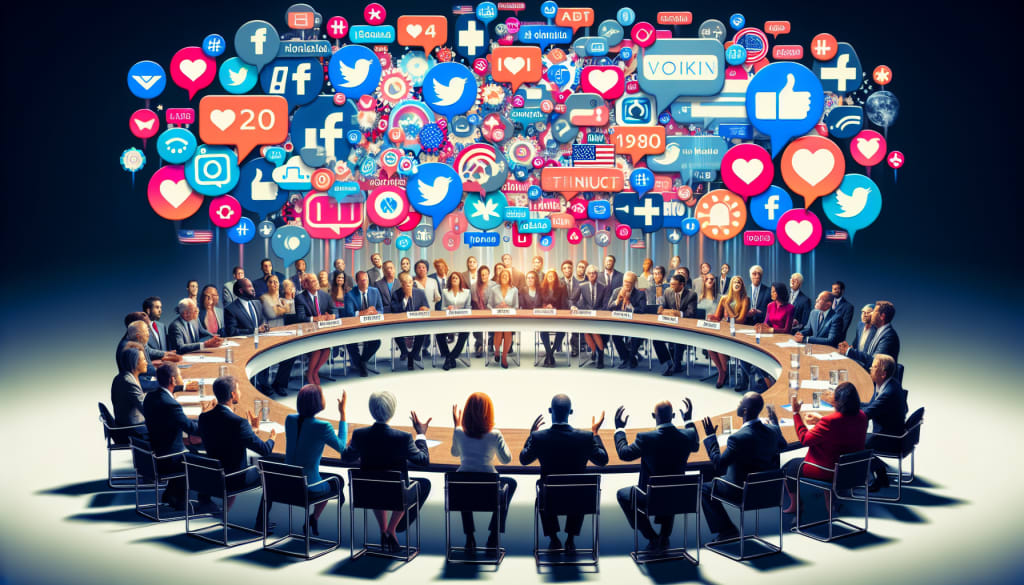
Remember when political debates were confined to television screens and radio broadcasts? Those platforms still play a significant role, but social media has dramatically changed the landscape. Today, platforms like Twitter, Facebook, and Instagram are not just for socializing but have become influential platforms for political dialogue and debate.
What Has Changed?
Social media has democratized information dissemination, allowing anyone with an internet connection to share their views and news. This shift has led to increased political participation and engagement across various demographics, especially among the youth. Let's delve deeper into how social media is impacting political debates:
1. Greater Accessibility to Politicians
Politicians can directly communicate with citizens through their social profiles, bypassing traditional media. This makes them more approachable and allows them to share their messages unfiltered.
2. Real-time Engagement
With live tweets, updates, and interactive polls, everyone can participate in ongoing debates without needing to be physically present at debate venues or town hall meetings.
3. Amplification of Marginalized Voices
Social media gives a platform to voices that might be overlooked or suppressed in traditional media. This inclusivity can shift the narrative of political debates to encompass a broader range of issues and perspectives.
Examples of Social Media Influencing Political Debates
The Arab Spring: A prime example where social media platforms were used to organize protests and bring international attention to the fight for democracy in several Middle Eastern countries.
The 2016 U.S. Presidential Election: The use of social media for campaigning was unprecedented, with candidates reaching out to voters via Tweets, memes, and videos.
Challenges and Implications
While the benefits are numerous, the rise of social media also poses new challenges in the political sphere. The same features that enhance democratic engagement can also lead to significant issues.
The Spread of Misinformation
One of the biggest challenges is the rapid spread of misinformation. In the rush to be first rather than accurate, facts often become casualties. This can be particularly damaging during elections or when sensitive issues are being discussed.
Echo Chambers and Polarization
Social media algorithms tend to show users content that aligns with their views, inadvertently creating echo chambers. This can intensify divisions and lead to an increasingly polarized political landscape.
Navigating the New Landscape
Critical Engagement -Users must engage critically with the content they consume. Here are a few tips:
Verify information through multiple reputable sources before sharing.
Be open to engaging with different viewpoints.
Reflect on the source of the information and its possible biases.
The Role of Platforms
Social media companies are also recognizing their role in this new political era and are implementing more fact-checking tools and policies to curb the spread of false information. However, there is still a long way to go in finding the balance between censorship and freedom of expression.
Conclusion
A New Era of Political Discourse -Social media has undoubtedly reshaped how political debates are conducted and will likely continue to do so. As we move further into this digital age, the blend of politics and technology will grow even more intricate. The responsibility lies with both users and platforms to foster a political environment that values truth, encourages open dialogue, and respects diverse opinions. Engaging responsibly and thoughtfully with political content on social media is crucial, not just for individual users but for the health of our global democracy.
"Social media is not just an activity; it is an investment of valuable time and resources. Surround yourself with people who not only support you and stay informed, but educate and inspire everyone around you to be involved in the facets of political debates. How can individuals and communities use social media effectively to promote respectful dialogue and civic engagement, while also mitigating the risks of misinformation and polarization? Thanks for engagement Don’t just consume, like, contribute and follow for more like this!"
About the Creator
Keep reading
More stories from Augustina N Nwankwo and writers in Education and other communities.
UMPCO Inc: My Insider View on an Unsung Aerospace Fastener Maker
When I first learned about UMPCO Inc, I had no idea how deep its influence ran through aviation and aerospace hardware. Today, I want to take you behind the scenes of this fastener and hardware solutions manufacturer — a company that quietly supports every aircraft clip, clamp, and bracket that helps keep our skies safe.
By Beckett Dowhan2 days ago in Education
Getting Started with Still Fishing: A Beginner’s Guide
A Beginner’s Guide to Still Fishing So, you’ve decided to take up fishing, and after a quick search online, still fishing catches your eye. The name alone probably makes it sound easy, right? Just sit back, relax, and wait for the fish to bite.
By Irimia Raresabout 23 hours ago in Education




Comments
There are no comments for this story
Be the first to respond and start the conversation.