
How Social Media is Changing Communication in the Digital Age?
Social Media's Role in Modern Communication and Relationships
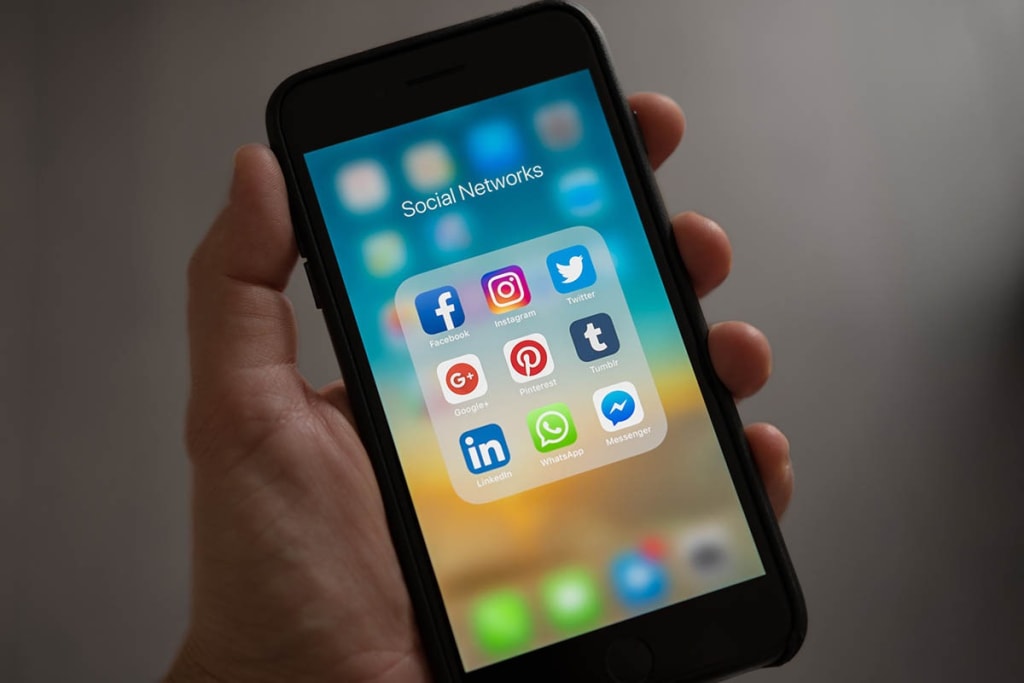
In the last two decades, the world has witnessed a radical transformation in the way we communicate. From landline phones to real-time video calls, and from hand-written letters to a world where a single tweet can reach millions, communication has become faster, broader, and deeply embedded in our daily lives. Much of this evolution can be attributed to one key player: social media.
But the story is not just about speed or reach. It's about how the nature of our conversations has changed. The digital age hasn't just given us tools — it's rewritten the rules of human connection. This blog explores how social media is reshaping modern communication, for better or worse.
From Letters to Likes: A Brief History of Digital Communication
Before social media, communication was linear and limited. Letters took days to arrive. Phone calls were expensive. Email brought convenience, but it still followed formal patterns. The early 2000s saw the rise of Orkut, MySpace, and Facebook — platforms that allowed users to express themselves publicly, casually, and continuously.
The 2010s brought Instagram, Snapchat, and Twitter — emphasizing real-time content and short-form communication. Today, platforms like WhatsApp, X, Threads, and LinkedIn have integrated messaging, content sharing, and networking in a single ecosystem. We no longer just send messages; we broadcast ourselves — a shift that brings both advantages and disadvantages of social media, especially in how it has blurred the lines between personal expression and public communication.
Real-Time Conversations: How Instant Messaging Changed the Game
Instant messaging apps have made communication seamless and spontaneous. WhatsApp, Telegram, Messenger, and iMessage allow us to connect instantly with individuals or groups, irrespective of geographical boundaries.
But with this convenience comes new pressure: the expectation of immediate response. “Seen” notifications and blue ticks have added an underlying stress to reply quickly. Conversations have become rapid-fire exchanges, often without depth or pause. While real-time messaging is efficient, it can sometimes replace meaningful, reflective dialogue with quick reactions.
Public vs Private Expression: The Rise of Online Personas
Social media has given birth to a dual identity system: the private self and the public persona. On Instagram or Twitter, people often present a curated version of their life — filtered photos, polished captions, strategic hashtags. But the same users might express very different emotions or thoughts in private DMs or close-friends stories.
This shift influences how we communicate. There's a growing emphasis on how things appear rather than how they feel. The line between authenticity and performance often gets blurred. Communication becomes performative — measured not in words, but in likes, comments, and shares.
How Social Media Has Blurred the Line Between Personal and Professional Communication
Earlier, personal and professional communication were clearly separated — one happened in drawing rooms, the other in boardrooms. Today, platforms like LinkedIn and even Instagram have merged these worlds.
A professional might post a career milestone with a personal backstory. A student might get a job opportunity through a Twitter thread. Recruiters engage in casual DMs, and clients follow agencies on Instagram stories. Communication in the digital age is no longer defined by setting — it’s defined by strategy and visibility.
The Decline of Verbal and Face-to-Face Interactions: Is It a Concern?
As online messaging becomes dominant, verbal communication is taking a back seat. Face-to-face meetings, phone calls, and even video calls are often replaced by text chats or voice notes.
This decline isn't just about convenience. It alters emotional depth. Face-to-face conversations include facial expressions, pauses, and tone — non-verbal cues that are essential to empathy and understanding. Without these, digital communication can become transactional, even robotic.
While chatting is faster, it often lacks nuance. A “K” or a period at the end of a sentence can be misread as passive-aggression. The loss of tone and body language in digital spaces has given rise to a new category of issues: digital misunderstandings.
Visual Communication Takes Over: Stories, Memes, and Short Videos
We’re increasingly communicating through visuals: a meme, a Boomerang, a GIF, a 15-second video. Platforms like Snapchat, Instagram Stories, and TikTok have normalized short, visual, often silent content as primary modes of communication.
Visual content is engaging, easily digestible, and transcends language. But it can also oversimplify. Complex ideas get reduced to punchlines. Nuance takes a backseat to virality. The more we communicate through visuals, the more we prioritize reaction over reflection.
Short-Form Content and Its Effect on Attention Span and Dialogue
The rise of short-form content — Reels, Shorts, TikToks, and Tweets — has changed how we consume and create communication. Attention spans are shrinking, and so is the patience for long conversations.
This has two major effects:
Conversations become transactional — we want quick answers, not discussions.
Context is lost — content is designed to be consumed quickly, but not always understood deeply.
It’s not unusual today to see serious topics like mental health or global politics being discussed through memes or 30-second videos. While this democratizes information, it also risks trivializing it.
The Role of Social Media in Crisis Communication and Social Movements
Social media is powerful in times of crisis. From COVID-19 updates to natural disasters and social justice movements (#MeToo, #BlackLivesMatter, farmers' protests, etc.), platforms like Twitter and Instagram have acted as real-time communication channels.
This decentralization allows information to spread faster than any official news outlet. But it also brings challenges: misinformation, panic, and polarization. In emergencies, communication needs both speed and accuracy — a balance that social media often struggles to maintain.
Digital Misunderstandings: The Lack of Tone and Context
One of the biggest flaws in digital communication is the lack of tone. Sarcasm, empathy, hesitation — all of these get flattened in text. Misunderstandings are common, especially in cross-cultural or intergenerational conversations.
For example, a short “Sure.” can sound enthusiastic, neutral, or annoyed — depending on who’s reading. Emojis, punctuation, or GIFs try to compensate, but they’re no substitute for tone and timing. Misread intentions can lead to arguments, confusion, or even broken relationships.
Are We More Connected or Just More Online? The Digital Closeness Debate
This is the central paradox of social media: we’re more connected than ever, yet lonelier than before. You might have 1,000 followers but no one to talk to at midnight when you’re feeling low.
Digital closeness often lacks emotional intimacy. Online connections are easy to build but harder to sustain. The illusion of connection — “likes,” “views,” “followers” — can sometimes replace real support systems. As communication becomes easier, emotional bonds are ironically becoming weaker.
The Generational Gap: How Different Age Groups Communicate Online
Not all users experience social media the same way. Boomers often use Facebook to stay in touch with family. Millennials lean toward Instagram and LinkedIn. Gen Z prefers ephemeral content on Snapchat, Reels, and BeReal.
This generational divide creates friction — especially in family or workplace communication. What Gen Z sees as creative self-expression, older users may see as unprofessional or vague. Understanding these differences is essential for marketers, educators, and HR professionals alike.
How Social Media Has Influenced Professional Communication and Hiring
The hiring process is no longer limited to resumes and formal interviews. Today, recruiters check LinkedIn profiles, social media presence, and even Twitter activity. Many professionals now use content to communicate their skills — through thought leadership posts, mini case studies, or Instagram portfolios.
Networking has become more informal. A simple comment on a LinkedIn post can spark a career conversation. But this shift also demands that individuals manage their digital identity carefully — every post becomes a part of one’s professional narrative.
Balancing Digital and Real-Life Conversations: Healthy Communication Habits
To thrive in the digital age, one must learn to balance online and offline communication. Healthy habits include:
- Setting boundaries for screen time
- Scheduling in-person conversations
- Practicing “deep work” without interruptions
- Pausing before replying to sensitive messages
Mindful communication — whether online or offline — requires effort. It's about listening, responding with intention, and choosing the right medium for the message.
Conclusion: Is Social Media Making Us Better Communicators—or Not?
There’s no simple answer.
Social media has undoubtedly expanded the ways we can connect, express, and collaborate. But it has also complicated the meaning of communication — shifting it from understanding to visibility, from listening to broadcasting.
The key lies in how we use it. If approached mindfully, social media can be a bridge — connecting ideas, people, and cultures. If misused, it becomes a wall — where noise replaces dialogue.
About the Creator
Precision in Motion: The Rise of Sport Shooting and Firearms in Modern Competition
Sport shooting has grown from a simple test of aim into a structured sport that demands discipline, patience, and technical skill. Today, sport shooting and firearms play a major role in global competitions, training programs, and recreational events. Athletes train for years to improve accuracy and control. They study equipment, posture, breathing, and focus. Because of this dedication, sport shooting has become a respected sport that rewards precision and calm thinking.
By Matthew Pothoffabout 7 hours ago in Education
NCLEX Study Plan: A Step-by-Step Guide for Nursing Students
Preparing for the NCLEX-RN is one of the most important milestones in the nursing students’ career. This is because the NCLEX is the final step before nursing students can become licensed nurses. However, it is not as easy as simply reading nursing textbooks and taking notes from class lectures. This is because the NCLEX is designed to test the nursing students’ clinical judgment and decision-making skills.
By Sulcus Learning3 days ago in Education



Comments (1)
The evolution of communication is wild. Remember waiting days for letters? Now instant messaging has its own pressures. Social media really has rewritten the rules.