
How Social Media Fuels It and What You Can Do About It
Navigating FOMO in a world that’s always online

In today’s fast-paced digital world, many of us experience a strange feeling—the fear of missing out, or FOMO. It’s that uneasy sensation that everyone else is having more fun, achieving more, or living a better life while we’re left behind. This feeling is especially common in a time when social media shows us nonstop highlights from other people’s lives, making us wonder if we’re missing out on something important.
FOMO isn’t just a buzzword; it’s a real emotional experience that affects our mental well-being and how we engage with the world. Understanding FOMO helps us take control of our feelings and live more peacefully in an age dominated by social media.
The Social Media Connection: How Platforms Amplify FOMO
Social media platforms are built to keep us connected and engaged. Features like endless scrolling feeds, “Stories” that disappear after 24 hours, real-time notifications, and the constant sharing of events and achievements make it easy to feel like we’re not quite in the loop. When your phone buzzes with another friend’s vacation photo or a new event invite, it’s hard not to feel left out if you’re not part of it.
This design isn’t accidental. Social media apps aim to capture our attention by triggering curiosity and the desire to belong, which are natural human needs. As a result, even a quick check-in on Instagram or Facebook can lead to hours of browsing—and a growing sense of anxiety about what we’re missing. This is how social media fuels FOMO: by showing us carefully curated moments that make our own lives feel less exciting.
Psychology Behind FOMO: Understanding the Emotional Tug-of-War
FOMO taps into deep psychological needs: the desire to belong, be accepted, and feel valued. Humans are social creatures, and feeling part of a group is crucial for our emotional health. Social media, by showing us what others are doing, makes us aware of opportunities and social gatherings we might be excluded from, triggering an emotional tug-of-war.
Additionally, seeing others’ successes or happiness can lead to comparison. When we compare our behind-the-scenes to someone else’s highlight reel, it’s easy to feel inadequate. This constant comparison can reduce our self-esteem and increase anxiety. FOMO becomes a cycle where the more we scroll, the more we feel we are missing, and the more we want to keep scrolling to catch up.
Real-Life Impacts: How FOMO Affects Mental Health and Daily Life
The emotional impact of FOMO goes beyond just feeling a bit left out—it can seriously affect mental health. Studies show that FOMO can increase stress and anxiety levels, disrupt sleep patterns, and reduce overall happiness. When people constantly check their phones or social media accounts out of fear they’re missing something important, it interrupts their ability to focus and enjoy the present moment.
This distraction affects productivity at work or school and can also strain real-life relationships. When we spend more time online worrying about social events or milestones, we might neglect the people right in front of us. Over time, this can lead to loneliness—ironically, even as we stay “connected” online.
The Comparison Trap: When Seeing Others’ Highlights Feels Like Falling Behind
One of the biggest drivers of FOMO is the comparison trap. Social media tends to highlight the best moments—vacations, celebrations, career achievements, and picture-perfect snapshots. Few people post their struggles, failures, or boring routine days. This selective sharing creates an illusion that everyone else is constantly happy and successful.
When we compare our ordinary lives with these idealized images, it’s easy to feel like we’re falling behind. This perception can harm our self-worth and even lead to feelings of depression or loneliness. It’s important to remember that what we see on social media is often a polished version of reality, not the full story.
Breaking Free: Mindful Practices to Overcome FOMO
While FOMO can be overwhelming, there are effective ways to break free from its grip. The first step is mindfulness—becoming aware of how social media affects your emotions. When you notice feelings of anxiety or inadequacy, pause and remind yourself that social media is just one perspective.
Setting boundaries is another helpful strategy. This could mean limiting social media use to specific times of the day or turning off non-essential notifications to reduce distractions. Curating your feed to follow positive, inspiring accounts rather than ones that trigger negative feelings can also improve your online experience.
Practicing gratitude for what you have and focusing on real-life experiences can shift your attention away from what you think you’re missing. Engaging deeply with friends and family in person helps build meaningful connections that social media alone can’t replace.
Building a Balanced Relationship with Social Media
Social media itself is not the enemy; it’s how we use it that matters. By being intentional and mindful, we can enjoy the benefits—like staying in touch with loved ones, discovering new ideas, and joining supportive communities—without letting it control our emotions.
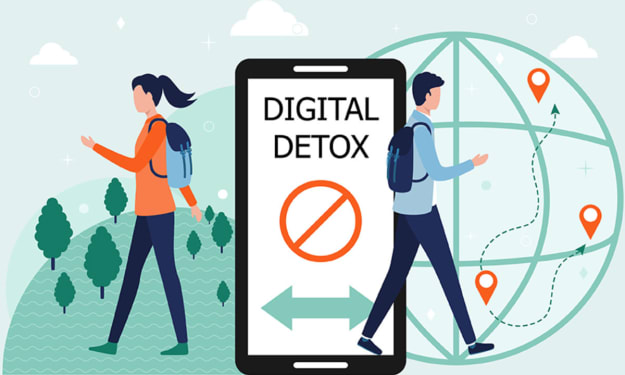
Learning to recognize when social media is triggering FOMO allows us to pause and reflect rather than react automatically. Taking regular breaks or “digital detoxes” can refresh our perspective and help us reconnect with the offline world. Balancing online and offline life is key to maintaining mental and emotional health in this digital age.
For a deeper understanding of both the advantages and disadvantages of social media, you might find this article helpful: Advantages and Disadvantages of Social Media. It explores how social platforms impact our lives in many ways—both positive and negative—which is essential to keep in mind when managing FOMO.
Conclusion: Turning FOMO Into JOMO — The Joy of Missing Out
The good news is that we can change our relationship with FOMO. Instead of feeling anxious about missing out, we can learn to appreciate the joy of missing out—JOMO. JOMO means embracing the present moment and finding happiness in what you’re doing, rather than worrying about what others are doing.
Cultivating JOMO takes practice and intention. It involves trusting your own path, setting healthy boundaries with social media, and valuing real-life connections. When you focus on your own growth and experiences, the fear of missing out loses its power.
Ultimately, the key is balance. Social media offers incredible opportunities to connect and share, but it should never replace the richness of authentic, offline relationships and self-acceptance. By understanding FOMO and adopting mindful habits, you can reclaim your peace of mind and enjoy a healthier, happier digital life.
About the Creator
The Creative Kitchen Journey: Turning a Love for Cooking Into Everyday Inspiration
Cooking has evolved far beyond a simple daily responsibility. For many people, it has become a powerful source of creativity, relaxation, and personal satisfaction. After long hours spent working or managing daily responsibilities, the kitchen often becomes a place where individuals can unwind and reconnect with their passions. Preparing food allows people to experiment with flavors, textures, and presentation while enjoying the rewarding process of creating something from scratch.
By Greg Deshields7 days ago in Education



Comments
There are no comments for this story
Be the first to respond and start the conversation.