
How Social Media Affects Mental Health?
Social Media Affects Mental Health
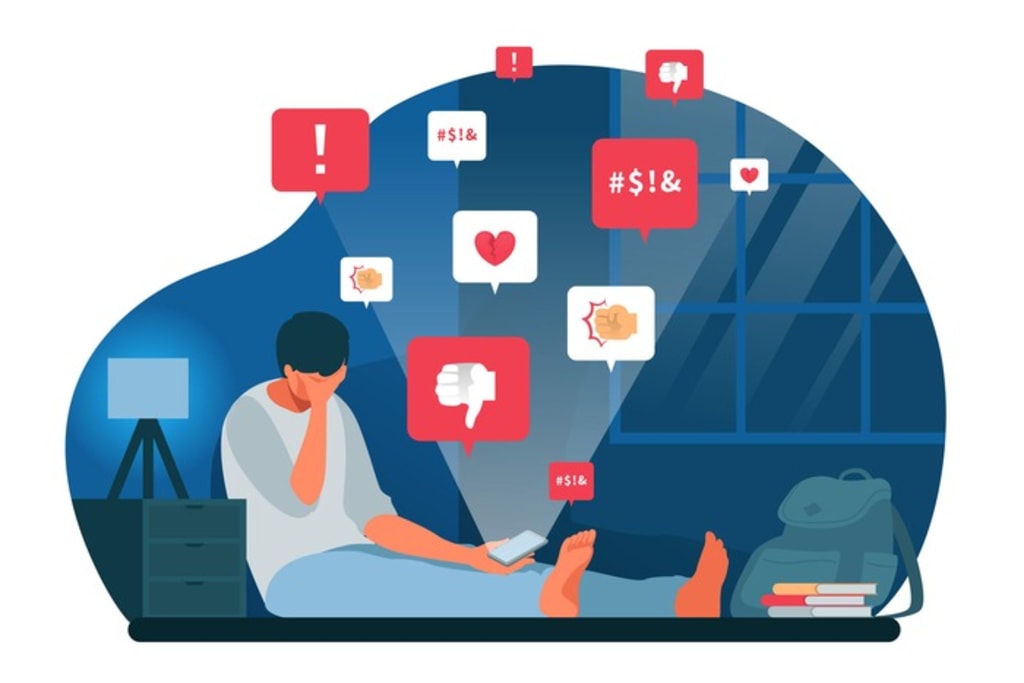
Social media is now integrated into nearly every facet of daily life in the modern age. Sites such as Instagram, Facebook, Twitter (X), TikTok, and LinkedIn enable us to connect instantly, communicate, and form communities. For most, social media offers entertainment, possibilities, and even a sense of belongingness. But how it affects mental health is complicated — both positive and negative. While social media is able to bring people together and happiness, overuse or unhealthy consumption has been associated with stress, anxiety, depression, and isolation. This knowledge is at the heart of the responsible use of social media and maintaining mental health.
Positive Effects of Social Media on Mental Health
Connection and Belonging
Social media enables the sustenance of relationships in the face of distance, which helps to counteract isolation. Internet sites also offer places where one feels accepted and affirmed for those who might otherwise be stigmatized within their own social circle.
Emotional Support
Such groups as those based on shared experience — e.g., bereavement, chronic illness, or mental illness — can provide support, encouragement, and empathy.
Awareness and Education
Social media is also a platform for mental health activism. Psychologists, therapists, and organizations share helpful content, making it acceptable to discuss mental health and deaccelerates stigma.
Creative Opportunities
The sites allow users to express themselves creatively through art, writing, videos, and photography, which are therapeutic and enhance confidence.
Access to Resources
Most sites provide information on coping skills, hotlines, and professional intervention, thus making it convenient for individuals to seek help when they need it.
Negative Effects of Social Media on Mental Health
Comparison and Low Self-Worth
Evolution through staged lifestyles and idealized photos leads to unhealthy comparisons. People can begin comparing themselves unfavorably to their body, job, or lifestyle, developing lowered self-esteem.
Addiction and Overuse
The "infinite scroll" and notification system are designed to capture attention, often leading to compulsive use. Excessive screen time can disrupt sleep, lower productivity, and increase stress.
Cyberbullying and Harassment
Online anonymity sometimes begets savagery. Those cyberbullied often have higher rates of depression, anxiety, and suicide contemplation.
Fear of Missing Out (FOMO)
Watching others' lives, vacations, or achievements may create feelings of loneliness or exclusion even if the events are overstated or staged.
Information Overload
Constant bombardment with information, often sensationalized or negative, creates tension and a sense of helplessness.
Sleep Disruption
Late-night surfing subjects viewers to blue light and stimulating material, interfering with natural sleep cycles. Poor sleep then intensifies mood and emotional regulation.
The Psychology of Social Media Use
Social media platforms function based on algorithms designed to reward engagement. Every "like," comment, or share causes the brain to release dopamine — the pleasure molecule. This reward cycle compels repetition, often forming habits of addiction.
Whereas so, the mind is also conditioned to seek social approval. Virtual approval in the form of likes for a brief moment may be comforting but becomes addictive where esteem is made dependent on virtual stimuli.
Vulnerable Groups
Adolescents and Young Adults:
Teens, particularly adolescents, are very sensitive to peer approval. Research shows elevated rates of depression and anxiety among overindulgent teens who spend excessive time on social media.
People with Existing Mental Health Problems:
Individuals with anxiety, depression, or low self-esteem might be more impacted by negative interactions online.
Women and Body Image:
Being exposed to idealized beauty standards heightens body dissatisfaction and eating disorder vulnerability.
Professionals and Burnout:
Ongoing connectivity through sites like LinkedIn can desecrate work-life boundaries, resulting in stress and burnout.
Striking a Healthy Balance
Set Boundaries
Restrict screen time by creating "offline" time slots.
Don't start the day or the evening off by checking social media.
Curate Your Feed
Subscribe to feeds that are positive, growth-oriented, or educational. Unsubscribe or mute sources of negativity, comparison, or disinformation.
Be Mindful of Emotional Triggers
Notice the way sites or interactions make you feel. If scrolling is making you anxious or tired, consider reducing it.
Practice Digital Detoxes
Periodic breaks from social media can change habits and improve mental focus.
Engage Authentically
Instead of mindless consumption of content, value true interaction with friends or communities.
Seek Support
If frequent online interactions adversely affect mental health, get professional assistance. The counselor can address underlying issues such as low self-esteem or social phobia.
Role of Parents and Caregivers
In younger users, guidance is crucial:
Encourage free airing of online experiences.
Demonstrate positive social media usage.
Create clear but not inflexible boundaries on screen time.
Help teenagers learn to distinguish between what is real and what is staged.
Case Example
Rohit, 19 and a student, spent nearly six hours a day on Instagram. Initially, it made him feel connected, but then he was comparing himself to friends, feeling inferior, and losing sleep. Gradually, it resulted in depression. After he attended counseling, he limited his use, filtered his feed, and replaced late-night phone browsing with books. Gradually but surely, his mood and self-esteem improved.
This narrative exemplifies how careful use, along with expert assistance, can bring balance back.
Long-Term Perspective
Social media is not entirely good or entirely bad — its impact depends on how it is used. With a mindful use, it can be a tool of learning, inspiration, and communication. Without caution, it can decay self-esteem and psychological health. Society, schools, and the workplace must encourage digital literacy and smart use to safeguard mental health in a progressively digital world.
Final Thoughts
Social media is a powerful tool. It can unite or alienate, empower or demotivate, bring together or isolate. The issue is awareness, balance, and responsible use. With better online habits, one can take the benefits of social media while maintaining mental well-being.
To learn more about mental well-being resources and gain expert advice, visit:
About the Creator
Keep reading
More stories from Naveen Garg and writers in Education and other communities.
How Does Sleep Contribute to Mental Health?
Sleep is one of the most fundamental survival biological functions for human beings but little valued in health considerations. Even while most recognize sleep as essential to bodily energy, few have a natural instinct that sleep is as closely associated with mental well-being. In fact, sleep and mental health are quite closely connected: poor sleep exacerbates mental sickness, and vice versa, mental sickness disrupts sleep.
By Naveen Garg5 months ago in Education
From Stove to Strategy: Steve Wolfe’s Take on Scaling Your Food Business from Kitchen to Boardroom
Every food business begins with passion—late nights in the kitchen, handwritten recipes, and the joy of seeing someone love what you’ve made. But when demand grows, passion alone isn’t enough. Scaling your food business from kitchen to boardroom requires a shift in thinking, planning, and leadership.
By Steven Joseph Wolfe7 days ago in Education



Comments
There are no comments for this story
Be the first to respond and start the conversation.