
How Salt Substitutes Could Help Reduce Stroke Risk and Save Lives
How Salt Substitutes Could Help Reduce Stroke Risk and Save Lives

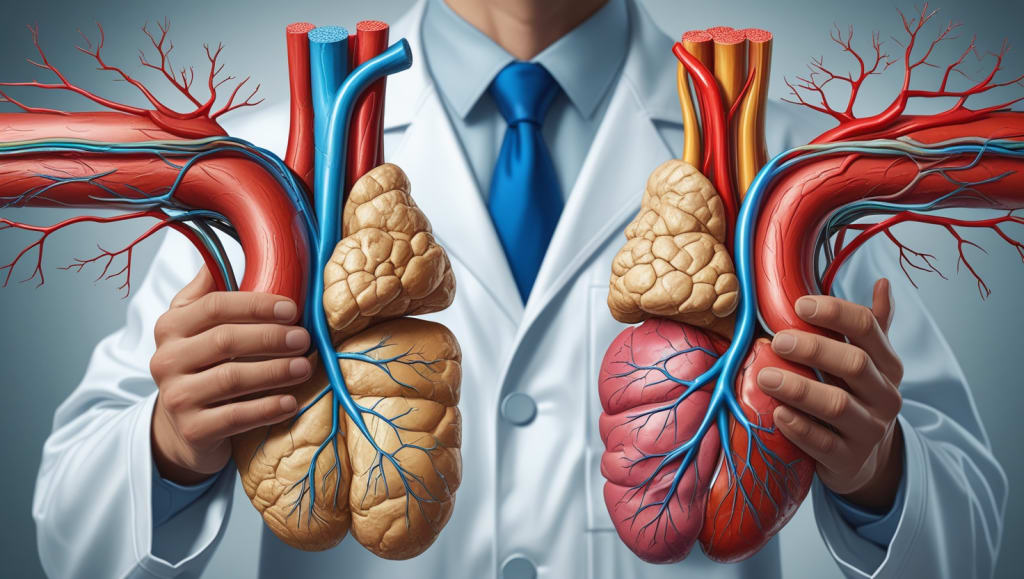
Recent research has highlighted the potential benefits of salt substitutes in reducing the risk of recurrent strokes and mortality among stroke survivors. A study published in JAMA Cardiology found that replacing regular table salt with a substitute containing 75% sodium chloride and 25% potassium chloride led to a 14% reduction in recurrent stroke risk and a 12% decrease in overall mortality.
Understanding the Impact of Sodium and Potassium on Health
Excessive sodium intake is a well-established risk factor for hypertension, which significantly increases the likelihood of stroke and cardiovascular diseases. Conversely, potassium plays a crucial role in counteracting the adverse effects of sodium by helping to relax blood vessels, excrete sodium, and lower blood pressure. The balance between these two electrolytes is vital for maintaining cardiovascular health.
The Study at a Glance
The study involved over 15,000 participants from northern China, all of whom had a history of stroke or were aged 60 and above with high blood pressure. Participants were provided with a salt substitute and monitored over a period to assess the incidence of recurrent strokes and mortality rates compared to a control group using regular salt. citeturn0search1
Key Findings
Reduction in Stroke Recurrence**: Participants using the salt substitute experienced a 14% reduction in the risk of recurrent strokes compared to those using regular salt.
Decrease in Mortality**: There was a 12% reduction in overall mortality among the salt substitute group.
-Safety Profit: The study reported no significant increase in adverse effects, suggesting that the salt substitute was safe for consumption among the study population.
Mechanisms Behind the Benefits
The observed benefits are primarily attributed to the reduction in sodium intake and the concomitant increase in potassium intake. Lower sodium consumption helps reduce blood pressure, while increased potassium intake further aids in blood pressure regulation and provides protective cardiovascular effects.
Global Health Recommendations
In light of such findings, health organizations are advocating for the adoption of salt substitutes as a practical intervention to reduce sodium intake and increase potassium consumption. The World Health Organization (WHO) has issued new guidance encouraging the use of lower-sodium salt substitutes to improve heart health and reduce the global burden of cardiovascular diseases.
Considerations and Precautions
While the benefits are evident, it's essential to approach the use of salt substitutes with certain considerations:
Kidney Health: Individuals with kidney disease should exercise caution, as excessive potassium intake can lead to hyperkalemia, a condition characterized by elevated potassium levels in the blood.
Dietary Sources: Beyond using salt substitutes, increasing the intake of potassium-rich foods such as fruits and vegetables can further contribute to cardiovascular health.
Conclusion
The incorporation of salt substitutes presents a promising strategy to reduce the risk of recurrent strokes and mortality among stroke survivors. By balancing sodium and potassium intake, individuals can achieve better blood pressure control and enhance overall cardiovascular health. As always, it's advisable to consult with healthcare professionals before making significant dietary changes, especially for individuals with existing health conditions.
If you enjoyed this content and want to explore more insights like this, consider subscribing to my page. Your support helps me continue creating meaningful content. If you feel led to, you can also leave a tip as a token of appreciation. Thank you for being part of this journey!
About the Creator
Ramesh Mahato
Experienced content writer, blog writer, and translator passionate about crafting engaging, SEO-optimized content. I specialize in writing informative articles, blog posts, and accurate translations that captivate readers and drive results
Keep reading
More stories from Ramesh Mahato and writers in Education and other communities.
True Devotion: The Path of Service and Compassion
True Devotion: The Path of Service and Compassion A Devoted Priest There was a priest who was deeply immersed in the devotion of God. He spoke in a gentle and respectful manner, treating everyone with kindness. His sweet nature and virtues earned him great respect and admiration from the people. Every morning, the priest would come to the temple and spend his entire day in prayer and worship. Over time, people began to believe that if they shared their problems with him, he would surely convey them to Lord Krishna (Bihari Ji) and help find a solution. A Carriage Driver’s Dilemma One day, a carriage driver heard travelers talking about the priest’s devotion. He felt a strong desire to visit the temple, but his work kept him busy from morning till night. His livelihood depended on driving the carriage, so he couldn't afford to leave his job. Unable to visit the temple, he was constantly burdened with guilt. He felt as though he was moving away from God and that his life was becoming meaningless. He started to believe that he was a great sinner. This thought weighed heavily on him, causing him distress. He often found it difficult to focus on his work, growing more exhausted each day. His horse became restless, the carriage wobbled, and passengers would often scold him. As time passed, his inner turmoil grew. One day, he made up his mind to visit the temple and discuss his concerns with the priest. The Priest’s Wisdom Upon reaching the temple, the carriage driver asked the priest, *"I drive my carriage from morning till evening to support my family. Because of this, I don’t get time to visit the temple, let alone perform rituals. Should I leave my job and start coming to the temple daily for worship?"* The priest saw the guilt and fear in his eyes. Smiling gently, he asked, *"Why does this make you so sad?"* The driver replied, *"I fear that God might punish me in the afterlife. I have never worshipped properly, and I don't know if I ever will."* Hearing this, the priest asked, "Throughout your work, have you ever given a ride to an elderly person, a disabled individual, a child, or a poor person without asking for payment?" The driver answered, "Yes, I often do that. Whenever I see someone in need, I offer them a free ride." The priest was pleased to hear this. He then said, "You must not quit your job. Helping the needy, elderly, sick, and helpless is the true form of devotion." Service is the Purest Form of Worship The priest continued, "For those with compassion in their hearts, the entire world is a temple. Temples are meant for those who cannot serve others through their deeds. But you, through your actions, are already engaging in true worship." Honest work to support one’s family and kindness toward others are what please God the most. If you abandon your noble work, it would not bring joy to the Divine." Prayers and hymns certainly bring peace to the mind, but all living beings are children of God, and serving them is equivalent to serving the Divine." A Lesson for Society The priest concluded with an important message, No matter what community you belong to, if you harbor jealousy or speak ill of someone rising in society, you are a disgrace to your people." Hearing this, the carriage driver felt a great sense of relief. He resumed his work with a happy heart, realizing that true devotion does not lie in mere rituals, but in serving others with kindness and compassion. Moral of the Story: True devotion is not just about visiting temples and performing rituals; it is about fulfilling one's duties with honesty and serving others with kindness and selflessness.
By Ramesh Mahato about a year ago in Education
Metaverse in Education Market Expected to Expand Significantly, Reaching USD 99.8 Billion by 2033
Metaverse in Education Market Overview The Metaverse in Education market refers to the use of immersive virtual environments, 3D digital campuses, and interactive simulations to deliver structured learning experiences. It combines virtual reality, augmented reality, digital avatars, blockchain-based credentials, and cloud platforms to create persistent and collaborative education spaces. The global market is expected to reach USD 99.8 billion by 2033, rising from USD 3.1 billion in 2023, reflecting a strong CAGR of 41.5% from 2024 to 2033.
By Roberto Crum2 days ago in Education




Comments
There are no comments for this story
Be the first to respond and start the conversation.