
How Refractive Cataract Surgery Improves Vision After Cataract Removal
Surgery Improves Vision After Cataract Removal

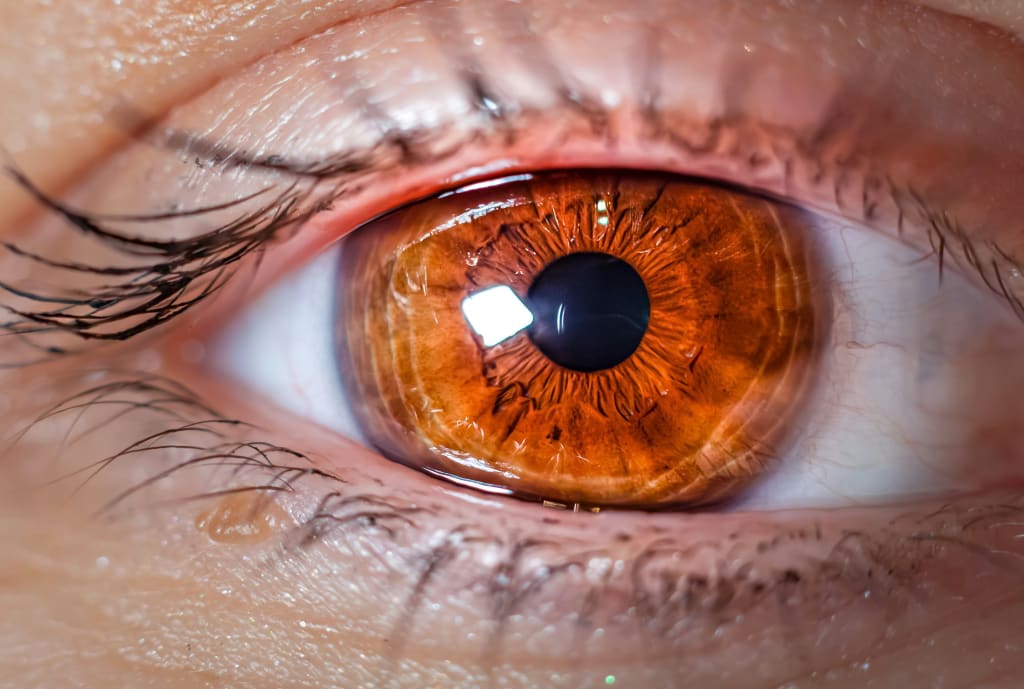
Cataracts are one of the most common causes of vision loss, especially among older adults. They occur when the natural lens of the eye becomes cloudy, making it difficult to see clearly. Traditional cataract surgery involves removing the cloudy lens and replacing it with a clear artificial one, thereby restoring vision. However, refractive cataract surgery takes this a step further. It not only removes the cataract but also corrects other refractive errors, such as nearsightedness, farsightedness, and astigmatism. This advanced approach provides patients with clearer, sharper vision and often reduces the need for glasses or contact lenses after surgery.
Understanding Cataracts and Their Effects on Vision
A cataract forms when proteins in the eye’s natural lens break down and clump together, creating cloudiness that blocks or scatters light entering the eye. Over time, this leads to blurry vision, poor night vision, glare, and fading colors. People with cataracts often feel as if they are looking through a foggy window.
Cataracts can develop due to aging, diabetes, prolonged sun exposure, smoking, or previous eye injuries. Once vision becomes significantly impaired, the only effective treatment is surgical removal of the cloudy lens. In traditional cataract surgery, the surgeon replaces the damaged lens with an artificial intraocular lens (IOL) to restore clarity. While this procedure restores regular sight, it does not always correct preexisting refractive errors.
What Is Refractive Cataract Surgery?
Refractive cataract surgery is an enhanced form of cataract surgery that combines the removal of the cataract with vision correction technology. The procedure uses specialized intraocular lenses designed to correct refractive errors, reducing or eliminating the need for corrective eyewear.
The process begins with a detailed preoperative eye examination. Advanced diagnostic tools measure the shape, size, and curvature of the eye to determine the most suitable IOL. These lenses can correct nearsightedness (myopia), farsightedness (hyperopia), astigmatism, and presbyopia—the age-related loss of near vision.
Types of Intraocular Lenses Used
There are several types of IOLs available for refractive cataract surgery, each designed to address specific visual needs.
Monofocal Lenses: These lenses focus light at a single distance, usually for clear distance vision. Patients may still need reading glasses for close-up work.
Multifocal Lenses: These lenses provide multiple focal points, allowing patients to see clearly at near, intermediate, and far distances. They can significantly reduce dependence on glasses for everyday tasks, such as reading or driving.
Toric Lenses: These lenses are specifically designed to correct astigmatism, a condition caused by an irregularly shaped cornea that results in distorted or blurred vision.
Accommodating Lenses: These lenses change shape within the eye to help focus on objects at varying distances, closely mimicking the eye’s natural focusing ability.
Choosing the right IOL depends on the patient’s lifestyle, visual needs, and the structure of the eye. The ophthalmologist works closely with the patient to select the best option for optimal visual results.
The Procedure: How It Works
Refractive cataract surgery is performed on an outpatient basis and usually takes less than 30 minutes per eye. Local anesthesia is used to numb the eye, and patients remain awake but comfortable during the procedure.
The surgeon creates a small incision in the cornea to access the lens capsule. Using ultrasound or laser technology, the cloudy lens is broken into tiny fragments and gently removed. Next, the chosen intraocular lens is inserted into the same capsule. The incision is self-sealing, so stitches are rarely required.
Modern laser-assisted techniques enhance precision and safety during surgery. The femtosecond laser can create incisions with extreme accuracy and soften the cataract, making its removal easier. It also helps correct corneal astigmatism, further enhancing refractive outcomes.
Recovery and Postoperative Care
Recovery after refractive cataract surgery is typically quick. Most patients notice improved vision within a few days, with complete stabilization occurring over several weeks. The surgeon may prescribe eye drops to prevent infection and reduce inflammation. Patients should avoid rubbing their eyes, engaging in heavy lifting, and participating in strenuous activities during the healing process.
Follow-up appointments ensure that the eye is healing properly and that the IOL is functioning as expected. In most cases, patients experience a dramatic improvement in clarity, color perception, and contrast sensitivity.
Advantages of Refractive Cataract Surgery
One of the main advantages of refractive cataract surgery is that it corrects multiple vision problems in a single procedure. Traditional cataract surgery restores clarity but often leaves patients dependent on glasses. Refractive cataract surgery, however, provides sharper, more natural vision and can reduce or eliminate the need for corrective eyewear.
This type of surgery also enhances visual quality in different lighting conditions. Patients report improved night vision, reduced halos around lights, and enhanced color perception. For people who enjoy outdoor activities, reading, or driving, these benefits can significantly improve their quality of life.
Long-Term Vision Benefits
Because intraocular lenses are made from durable materials, the results of refractive cataract surgery are permanent. Unlike contact lenses or glasses, which may need frequent updates, IOLs do not degrade over time.
Additionally, by correcting refractive errors at the time of cataract removal, patients can avoid the need for future corrective surgeries such as LASIK. For those who have already undergone refractive surgery and are now developing cataracts, refractive cataract surgery can help fine-tune their vision again.
Potential Risks and Considerations
Although refractive cataract surgery is highly safe and effective, it is still a surgical procedure, and like all surgeries, it carries some risks. Possible complications include infection, inflammation, dry eyes, glare, or difficulty adjusting to multifocal lenses. However, these side effects are rare and can often be managed with proper care and treatment.
Patients should discuss their expectations, medical history, and lifestyle with their ophthalmologist to ensure a comprehensive understanding of their condition. Certain eye conditions, such as macular degeneration or glaucoma, may affect the choice of lens and the overall results. Comprehensive pre-surgical evaluation ensures that the chosen treatment plan is tailored to each individual’s unique needs.
Is Refractive Cataract Surgery Right for You?
Refractive cataract surgery is ideal for individuals who want the most precise visual correction after cataract removal. It is particularly beneficial for those who wish to minimize dependency on glasses or contact lenses. Patients with active lifestyles or professions requiring excellent vision at multiple distances often find it especially rewarding.
During consultation, the surgeon evaluates the patient’s eye health, visual goals, and overall expectations. They will recommend the best type of IOL and explain the potential outcomes to ensure the patient makes an informed decision.
Refractive cataract surgery represents a significant advancement in vision correction. By combining cataract removal with refractive enhancement, this modern approach allows patients to enjoy clearer, sharper, and more natural vision. It not only restores sight lost to cataracts but also improves overall visual quality, reducing reliance on glasses or contact lenses.
For those seeking to regain youthful, vibrant vision, refractive cataract surgery offers a life-changing solution that goes beyond simple cataract removal. It transforms how patients see the world—bright, clear, and focused once again.
About the Creator
Dr. Kamran Massoumi
Dr. Kamran Massoumi, a leading ophthalmologist, founded the Oklahoma Eye Institute in Lawton. Born in Tehran and inspired by his grandfather’s legacy, he brought advanced eye care to Western Oklahoma.
Keep reading
More stories from Dr. Kamran Massoumi and writers in Education and other communities.
Breakthrough Glaucoma Treatments: Innovations Driving Better Surgical Outcomes
Glaucoma is one of the most significant threats to vision health, affecting millions worldwide and often progressing silently until irreversible damage occurs. The disease damages the optic nerve, usually due to elevated intraocular pressure (IOP), and is a leading cause of blindness if left untreated. While medications and laser therapies are often the first lines of defense, surgery becomes essential when other methods fail to control the disease. In recent years, innovations in surgical techniques and technologies have transformed glaucoma care, offering safer procedures, faster recoveries, and more effective long-term results.
By Dr. Kamran Massoumi5 months ago in Education
E-Invoicing as a Catalyst for Digital Taxation and Business Efficiency in this Digital Era
Introduction In today’s rapidly evolving digital economy, businesses and governments are increasingly turning to technology to improve efficiency, transparency, and compliance. One of the most significant developments in this transformation is electronic invoicing, commonly known as e-invoicing. E-invoicing refers to the generation, exchange, validation, and storage of invoices in an electronic format between suppliers and buyers, often through government-mandated platforms or standardized systems.
By Bobby Yadav4 days ago in Education
Innovation Without Compassion: How the Absence of Empathy Undermines Modern Healthcare
Healthcare innovation promises efficiency, accuracy, and expanded access to care. New technologies, digital platforms, and streamlined systems continue to reshape medicine. However, when innovation moves forward without empathy, it often fails the very people it intends to serve. Patients feel disconnected, clinicians feel overwhelmed, and organizations struggle to achieve meaningful results.
By Mark Bouzyk7 days ago in Education



Comments
There are no comments for this story
Be the first to respond and start the conversation.