
How Real-World Asset Tokenization Unlocks Liquidity in Rare Collectibles and Art Markets
Tokenized Real-World Assets Help Monetize Rare Collectibles and Art Holdings

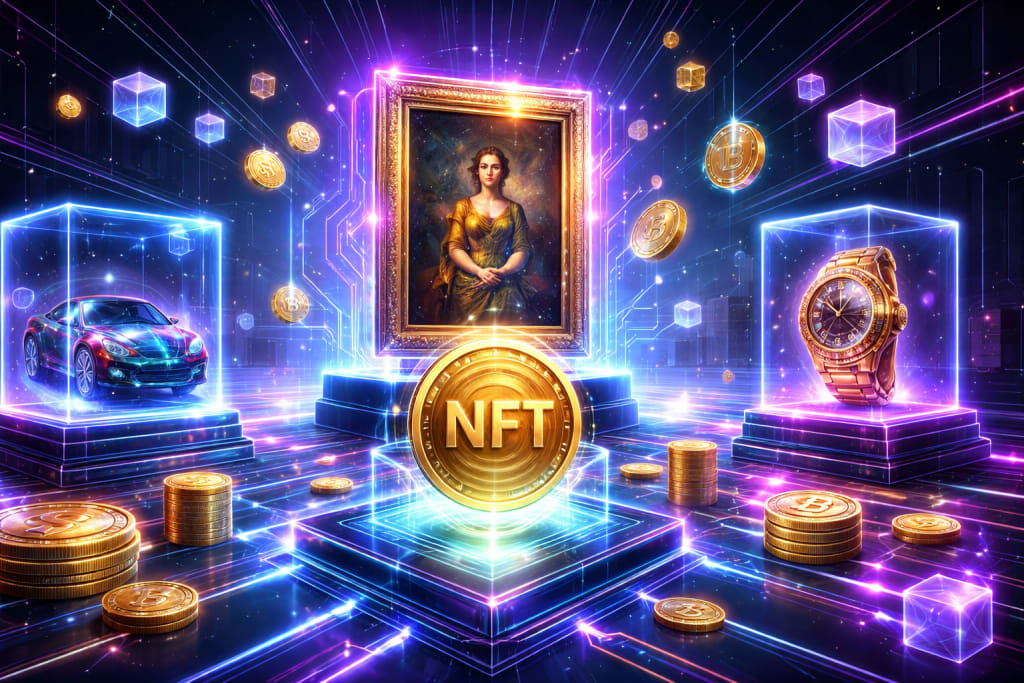
The art and collectibles market has long been characterized by exclusivity, high valuations, and limited accessibility. Rare artworks, vintage collectibles, luxury memorabilia, and unique historical artifacts often change hands in private sales, auctions, or through high-net-worth networks, making liquidity a major challenge. Investors and collectors frequently face long holding periods, high transaction costs, and market opacity, which can hinder the ability to monetize these assets efficiently. However, the emergence of blockchain technology and real-world asset (RWA) tokenization is revolutionizing the way art and collectibles are bought, sold, and traded. By converting tangible and highly valuable items into digital tokens, owners can unlock liquidity, expand market access, and democratize investment in these traditionally illiquid asset classes.
This blog explores how tokenizing rare collectibles and art is transforming the market, the mechanisms behind it, and the benefits and challenges of adopting this innovative approach. Additionally, it examines real-world examples, potential regulatory considerations, and the long-term implications for collectors, investors, and small businesses involved in the art market.
Understanding Real-World Asset Tokenization in Art and Collectibles
Tokenization refers to the process of creating a digital representation of a real-world asset on a blockchain. Each token represents a fractional or full ownership stake in the underlying asset, secured by cryptography and tracked on an immutable ledger. When applied to art or collectibles, tokenization allows owners to divide a high-value item into multiple tradable tokens, enabling fractional ownership and access to a broader pool of investors.
For example, a rare painting valued at $1 million can be divided into 10,000 tokens worth $100 each. Investors worldwide can purchase these tokens, owning a fraction of the artwork without physically possessing it. Smart contracts govern ownership rights, profit-sharing, and transfer rules, ensuring transparency and trust while reducing intermediaries. This approach addresses long-standing challenges in the art and collectibles market, particularly liquidity constraints and limited investor participation.
Real World Asset Tokenization also provides a secure, immutable record of provenance, which is critical in the art world. Ownership, transaction history, and authenticity verification are embedded in the blockchain ledger, reducing the risks of fraud, forgery, or misrepresentation. This transparency not only increases trust among investors but also helps maintain and even enhance the value of tokenized collectibles and art.
The Liquidity Challenge in Rare Collectibles and Art
Traditionally, art and collectibles face several liquidity constraints:
- High Barriers to Entry: Purchasing high-value artworks or rare collectibles often requires substantial capital, limiting participation to wealthy individuals or institutions. Many collectors, particularly emerging or small-scale investors, are excluded from participating in these markets.
- Illiquid Marketplaces: Auctions and private sales are periodic, often unpredictable, and geographically constrained, making it difficult to quickly convert assets into cash. Assets can remain unsold for years, tying up both capital and opportunity.
- Opaque Valuation: Determining fair market value can be highly subjective, influenced by factors such as artist reputation, provenance, rarity, and market sentiment. This opacity creates uncertainty for both buyers and sellers, limiting transactions.
- High Transaction Costs: Art dealers, auction houses, shipping logistics, insurance, and legal intermediaries impose significant fees. These costs reduce net returns and further discourage frequent trading, compounding illiquidity.
- Limited Fractional Ownership Opportunities: Historically, owning fractions of high-value assets was extremely difficult due to the lack of legal frameworks, operational tools, and investor access.
These constraints mean that owners must often hold assets for years before realizing gains, while investors face barriers to entry. Real World Asset Tokenization directly addresses these challenges, creating new mechanisms for liquidity and accessibility, while modernizing the collectibles and art market.
How Tokenization Unlocks Liquidity
Tokenization introduces several innovative mechanisms to unlock liquidity for rare collectibles and art:
1. Fractional Ownership
Fractional ownership is one of the most significant benefits of tokenization. By dividing high-value assets into digital tokens, multiple investors can hold a stake in a single item. This democratizes access to rare collectibles, allowing smaller investors to participate in markets previously limited to ultra-high-net-worth individuals.
Fractionalization also allows owners to liquidate part of their holdings without selling the entire asset. For instance, an art collector may retain 70% ownership of a painting while selling 30% through tokens, generating immediate liquidity while maintaining long-term exposure to potential appreciation. Fractional ownership also enables collective decision-making in asset management, such as exhibition participation or resale timing, enhancing overall market efficiency.
2. Global Market Access
Tokenized collectibles can be traded on digital marketplaces, removing geographic constraints. Investors from around the world can buy and sell tokens without relying on local auction houses or private networks. This global access expands the pool of potential buyers and increases trading frequency, which enhances liquidity.
Furthermore, tokenized platforms often provide transparent historical pricing and market data, allowing investors to make informed decisions. This contrasts with traditional markets, where price discovery is irregular, opaque, and often dominated by intermediaries with asymmetric information.
3. Asset-Backed Digital Securities
Tokenization can structure ownership in the form of asset-backed digital securities. These security tokens represent legal claims to the underlying collectible or artwork, providing investors with clear rights, such as profit-sharing from sales, rental of artwork, or royalties from exhibitions.
By formalizing ownership and associated revenue rights through blockchain, tokenized assets gain credibility and attract institutional investors who often require well-defined legal and operational frameworks. Security tokens also facilitate secondary trading, improving liquidity further and offering investors a clearer exit path.
4. Integration with DeFi and Digital Finance
Tokenized art and collectibles can be integrated into decentralized finance (DeFi) ecosystems. Owners can use their tokens as collateral for loans, enabling access to liquidity without selling the underlying asset. This approach allows collectors to unlock capital for other investments while retaining exposure to potential appreciation.
Additionally, tokenized assets can be pooled in decentralized marketplaces, creating innovative financial instruments such as fractionalized ETFs of rare art or collectible portfolios. These instruments introduce additional liquidity and investment strategies that were previously impossible with physical-only assets.
5. Increased Transaction Efficiency
Tokenization reduces the need for intermediaries, which lowers transaction costs and accelerates asset transfers. Smart contracts handle ownership transfers, dividend distributions, and profit-sharing automatically, ensuring compliance and transparency. This efficiency makes trading and liquidity events faster and more accessible for both owners and investors.
6. Improved Price Discovery
Tokenized marketplaces provide real-time trading data, offering insights into demand and pricing trends. This transparency enables better price discovery, helping owners identify optimal times to sell fractions of their assets. Investors benefit from reduced uncertainty and more accurate valuations, which encourages higher participation and further enhances liquidity.
Benefits for Collectors, Investors, and SMEs
Tokenization of rare collectibles and art offers substantial benefits for all stakeholders in the market:
For Collectors and Owners: Tokenization unlocks liquidity without requiring a full sale, provides access to global investors, reduces transaction friction, and preserves long-term exposure to asset appreciation.
For Investors: Fractional ownership lowers the entry barrier to high-value assets, offering diversification and potential returns from appreciating collectibles. Digital tokens provide transparency, security, and simplified trading mechanisms.
For SMEs and Galleries: Art dealers, galleries, and small businesses in the collectibles market can attract new funding, tokenize inventory, and expand client reach. Tokenization enables innovative business models such as revenue-sharing on exhibitions or limited-time access to tokenized art.
For the Market as a Whole: Increased liquidity encourages market participation, drives price discovery, and fosters a more inclusive and efficient ecosystem for collectibles and art.
Case Studies and Examples
Several pioneering platforms and projects illustrate the practical application of tokenization in the collectibles and art market:
Maecenas: This platform allows fractional ownership of fine art through blockchain-based security tokens. Investors acquire fractions of high-value paintings, and the platform facilitates trading on secondary markets.
Otis: Otis tokenizes cultural assets, including collectibles and iconic memorabilia. Investors can participate in shared ownership of items such as sports memorabilia or rare sneakers, unlocking liquidity and broadening the market.
Artory and Verisart: These platforms combine blockchain-based provenance tracking with tokenization, enhancing transparency and security in art ownership and trading.
DeFi Integration Examples: Some platforms allow tokenized art to be used as collateral in DeFi lending protocols, creating immediate liquidity options for owners while preserving asset exposure.
These examples demonstrate that tokenization is not just a theoretical concept—it is actively reshaping how collectors, investors, and businesses engage with rare assets.
Challenges and Considerations
Despite its potential, tokenization also comes with challenges that need careful consideration:
- Regulatory Compliance: Depending on jurisdiction, tokenized art may be classified as a security, requiring compliance with securities laws and investor protection regulations. SMEs and platforms must navigate complex legal landscapes.
- Valuation Accuracy: Art and collectibles often have subjective valuations. Accurate appraisal and third-party verification are critical for creating trust and attracting investors.
- Market Adoption: Investors may be unfamiliar with tokenized collectibles, necessitating education and transparency to build confidence.
- Platform Reliability: Choosing a secure and reputable blockchain platform is essential to prevent fraud, cyberattacks, or operational failures that could undermine investor trust.
- Liquidity Risks: While tokenization increases liquidity, thinly traded tokens may still experience price volatility or difficulty in exiting positions. Well-designed marketplaces and secondary trading mechanisms are essential.
The Future of Tokenized Collectibles and Art
Tokenization is poised to transform the collectibles and art markets, creating a more liquid, transparent, and inclusive ecosystem. By enabling fractional ownership, global trading, and integration with digital finance, tokenized assets overcome many of the traditional barriers that have constrained market participation.
In the near future, we can expect the following trends:
- Expansion of Digital Marketplaces: More platforms will emerge to facilitate tokenized collectibles trading, increasing liquidity and investor access.
- Institutional Participation: As regulatory frameworks stabilize, institutional investors will likely engage with tokenized art and collectibles, bringing more capital and credibility to the market.
- Integration with Virtual and Metaverse Assets: Tokenized art may extend to digital art, NFTs, and virtual collectibles, blending physical and digital ownership into hybrid investment opportunities.
- Innovative Funding Models for SMEs: Galleries, small auction houses, and collectible businesses will leverage tokenization for revenue-sharing, fractional sales, and DeFi-backed financing, unlocking new business opportunities.
Tokenization represents a paradigm shift in how art and collectibles are valued, traded, and monetized. It transforms illiquid, exclusive assets into dynamic, tradable instruments, empowering owners, investors, and businesses alike.
Conclusion
Tokenizing real-world assets, particularly rare collectibles and art, offers a revolutionary solution to long-standing liquidity challenges. By dividing high-value assets into tradable digital tokens, owners gain access to global investors, fractional liquidity, and new financial models that were previously inaccessible. Investors benefit from democratized access, transparency, and efficiency, while SMEs and galleries can leverage tokenization to raise capital and engage new audiences.
While challenges such as regulatory compliance, valuation, and market adoption exist, the potential benefits far outweigh the risks. Tokenization is not only enhancing liquidity in the art and collectibles market but also creating more inclusive, efficient, and innovative ecosystems. For collectors, investors, and SMEs operating in this space, embracing tokenization is rapidly becoming a strategic imperative that unlocks the true potential of rare assets in the digital era.
About the Creator
Gabrielle
Blockchain enthusiast and NFT writer dedicated to merging technology with art on decentralized platforms, driving innovation for a creative future. Embracing the potential of digital expression.
Why A2 Milk Is Changing the Way People Think About Dairy?
Recent developments in dairy consumption have been towards health and digestibility, with one of the most important developments in recent years being an increase in popularity of A2 milk. Once thought to be a niche product for people with difficulty digesting regular milk, an A2 following has developed among families, athletes and the health-conscious.
By Akshay Kumarabout 22 hours ago in Education
E-Books in the UK: Reading in a Digital-First Culture
Introduction Reading Habits Are Evolving With Technology Reading has long been used to obtain information and entertainment, as well as to enable personal development. Reading has evolved over time to include multiple formats, including early tablets and, more recently, digital formats. E-books have also become a common thing in the United Kingdom.
By deepanshu Thakurabout 22 hours ago in Education
The Lesions of Devotion
Every day I set myself down on the freshly cut lawn and strip myself bare. I take my guitar and finger the frets and pick at the strings, listening for dissonance. My life is dissonance. I twist the tuning pegs until each string sounds bright. Then I kneel, calves pointing behind me, kneecaps facing forward. All exposed to the breeze. I close my eyes and play the melody.
By Paul Stewart3 days ago in Fiction




Comments (1)
Thank you