
How Online Shopping Is Transforming Consumer Behavior and Business Models
Consumer Shifts in the Era of Online Commerce

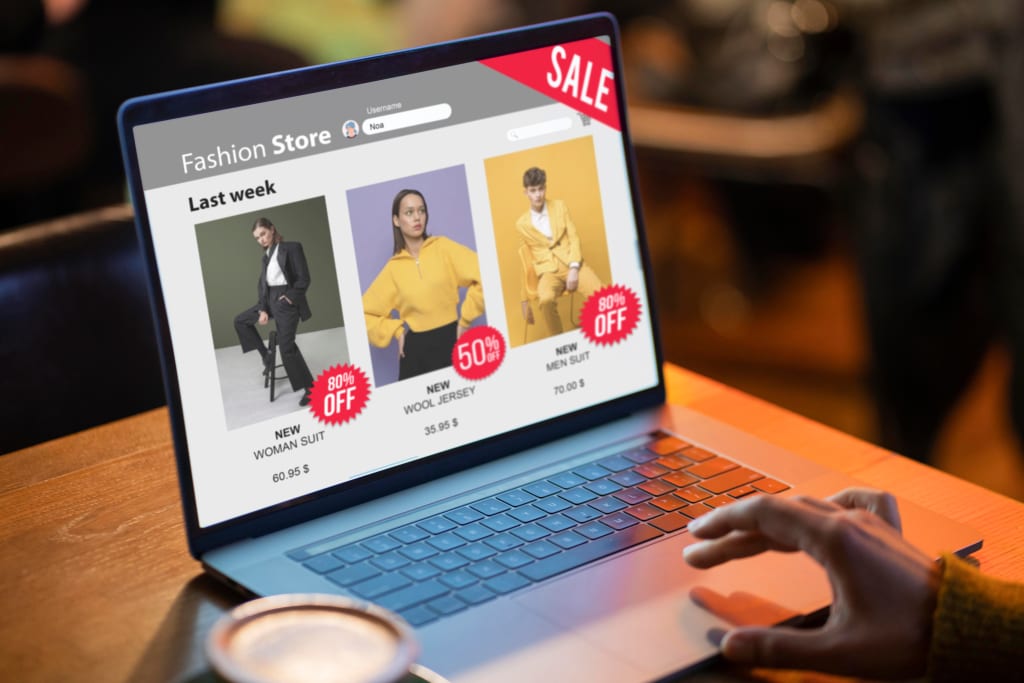
The last ten years have seen a digital revolution changing the way we think about commerce and consumers, and how we understand and operate within the context of global trade. E-commerce has moved from a market niche to a global pillar of the economy. The ability to purchase a variety of products and services with a single click is no longer a luxury but a requirement for any modern-day consumer. Thanks to technological advances, a population that evolves rapidly each year, and a persistent focus on the user experience when it comes to online shoppers, the e-commerce industry is on the move in 2026.
The Evolution of the Online Shopping
To understand where the Online Shopping is headed, it is important to look at previous points in its development. In its early years, e-commerce was constrained by low internet bandwidth and a lack of trust in internet-based payments. However, with secure encryption systems available, the growth of mobile data speeds and ubiquity of mobile phones and tablets, the market exploded. We have gone from "desktop-first" to "mobile-everything".
Commerce is no longer a billion-dollar marketplace. With e-commerce, small businesses can reach global audiences without needing to have an offline presence. In an era of A/B testing, boutique retailers can now compete with multinational companies by targeting their niche markets and developing their brand stories through direct communication with their customers.
Key Drivers of Growth in the Digital Sector
There are a lot of factors that are causing the e-commerce sector to grow, and a business must have an understanding of those factors to succeed.
- The Rise of Mobile Commerce (M-Commerce)
It is well known that the majority of e-commerce is now being carried out on mobile devices, and the industry has encouraged thumb-friendly design. Mobile wallets and one touch payments have eliminated some of the issues of cart abandonment commonly associated with the web and enabled consumers to purchase on the go.
- Artificial Intelligence and Hyper-Personalization
Artificial Intelligence (AI) is the secret untouchable ingredient to the rapid rise of e-commerce. From chatbots responding to user queries in real-time to advanced algorithms predicting a customer's needs before they have even realized it themselves, shopping has never been so easy. The industry is also using browsing and buying history to better advertise to consumers, as those recommendations convert more sales.
- Social Commerce Integration
The introduction of "buy" buttons on social media platforms such as Instagram and TikTok has allowed them to shift toward a sales funnel, merging entertainment and shopping. This element of the sector allows brands to stimulate impulse purchases by reaching the consumer where they are already spending their time.
Overcoming Logistics and Supply Chain Hurdles
Rapid growth in e-commerce still presents logistical challenges and has raised the expectations of "same-day" or "next-day" delivery times. To meet consumer demand, firms have made heavy investments in "last mile" delivery capabilities.
Robots are also now used to accelerate sorting and packing in warehouses, making the process ten times faster. The logistics sector is also experimenting with drone and self-driving-car transport. This seeks to shorten the time between a customer checking out digitally and receiving their order, and reduce the carbon emissions of shipping.
The Shift Toward Sustainability
As consumers become more aware of the environmental impacts of their purchases, e-commerce brands are beginning to offer "green shipping" options for larger orders, as well as biodegradable packaging. Conservation and sustainability are both recognized as an emerging trend and an increasingly important factor in brand loyalty among consumers.
The "circular economy" has been on the agenda of the industry too, with many e-commerce websites now offering platforms to resell used products rather than throw them away. Companies that don't prioritize transparent and sustainable practices risk losing Gen Z and Millennial consumers, who are willing to pay more for ethical products.
Emerging Technologies: AR and VR
One of the limitations for consumers in the early days of e-commerce was the inability to physically check or try out products, a gap that has rapidly closed with the rise of Augmented Reality (AR) and Virtual Reality (VR).
In the fashion and beauty segments, AR "virtual try-on" tools allow consumers to see how a pair of eyeglasses or lipstick would look on the customer's face, using their phone's camera. In the home decor segment, VR can be used to simulate how a piece of furniture would look in the user's apartment or house. The technologies protect against returns and help customers feel confident in their purchases, a longtime retail problem.
Security and Trust in a Digital World
As the e-commerce industry grew, online crime became more advanced. Data breaches and identity theft are constant threats to online shoppers, and the industry has spent money on securing its systems to reduce these threats.
Blockchain technology can provide an immutable transaction history. Other security measures include multi-factor authentication (MFA), such as SMS codes, email codes, and biometric security features, such as FaceID. Trust has been called the currency of the digital business world and is much harder to regain.
The Globalization of Trade
The e-commerce industry has made borders for most practical purposes meaningless. A rural client in India can book a product made by a designer in Italy. It also means that the industry has to deal with a patchwork of different tax regimes, customs duties, and payment preferences worldwide.
Winning companies are those that "think global and act local": they provide local language support, accept local currencies, and understand local cultures, issues and concerns, and what is considered appropriate business conduct. The cross-border e-commerce segment is expected to grow faster than domestic commerce as logistics networks become even more closely integrated across borders.
The Future: What Lies Ahead for the Industry?
Later stages of e-commerce could involve various forms of "Invisible Commerce". An example would be a smart home reordering items, such as a household item (e.g. detergent) or grocery (e.g. milk), for the user when stock is low. Voice shopping via smart speakers is also becoming a more advanced means of conducting hands-free commerce.
The so-called "Metaverse" is also speculated on. During this early stage, virtual stores in a virtual world where shoppers can buy physical products and digital assets like NFTs represents a huge opportunity for brands to tap into these spaces and curate experiences for people to engage with.
Conclusion
The e-commerce industry is a beast that is constantly evolving. It has changed the brand-consumer dynamic from a transactional relationship into an active long-term data-driven relationship. From artificial intelligence to sustainability to logistic optimizations, the future of business requires a commitment to planning today in order to ensure your company is a step ahead.
The role of innovator and economic engine of growth will fall again to the e-commerce industry, and the digital store will remain the most powerful tool ever in the history of retail.
About the Creator
Bobby Yadav
Experienced research analyst with a strong background in market research, data analysis, and industry trend evaluation. Skilled in delivering actionable insights, market forecasts, and strategic recommendations to support business growth.
Keep reading
More stories from writers in Education and other communities.
The Duelist
The rays of a dying red sun flashed against the onrushing blade. The grey beards say the key to dueling lies in size, speed, reach, righteous fury, whatever the person in front of them pays them to say. Matteo knew better than any it was none of these and had an undefeated record on these sands to prove it.
By Matthew J. Fromm2 days ago in Fiction


Comments
There are no comments for this story
Be the first to respond and start the conversation.