
How Memes Are Changing Modern Communication
How Memes are Revolutionizing the Way We Connect, Express, and Influence in the Digital Age

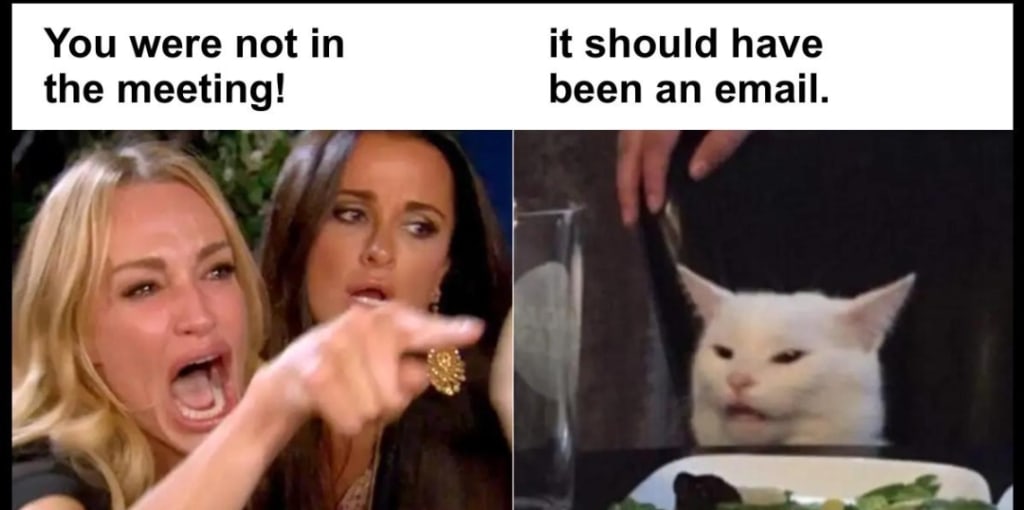
In recent years, memes have evolved from being humorous images or videos shared among friends on the internet to a dominant force in communication. What once started as a niche aspect of online culture has now become a global phenomenon that shapes the way we interact with each other, consume information, and even influence social and political landscapes. The simplicity, relatability, and humor embedded in memes make them an essential tool for modern communication. In this article, we’ll explore how memes are changing the way we communicate, why they are so effective, and the broader impact they have on society.
The Rise of Memes in Modern Communication
Memes, as we understand them today, are often visual images or videos, accompanied by text that provides context or humor. The term "meme" itself was coined by Richard Dawkins in his 1976 book *The Selfish Gene, where he referred to a meme as an idea, behavior, or style that spreads from person to person within a culture. However, in the digital age, memes have transformed into a format primarily shared and spread through social media platforms such as Instagram, Twitter, Facebook, and Reddit.
The ability of memes to travel rapidly and resonate with large groups of people has played a significant role in their popularity. A single meme can go viral in a matter of hours, thanks to the interconnectedness of the online world.
Memes are no longer confined to niche internet subcultures but are now a widespread form of expression used by people of all ages, backgrounds, and interests. Whether it’s a humorous reaction to a news event, a viral dance challenge, or a satirical take on political figures, memes have become an integral part of online discourse.
The Simplicity of Memes
One of the reasons memes are so effective in modern communication is their simplicity. Memes typically involve minimal text and rely on visual cues such as images, colors, and symbols to convey meaning. This makes them accessible and easily digestible for a wide audience. In an age where people are bombarded with an overwhelming amount of information, the simplicity of memes offers a brief yet impactful way to express an idea or emotion.
Additionally, memes often capitalize on shared experiences, cultural references, or current events. This relatability factor helps them connect with people on a personal level. Whether it’s a meme about the struggles of working from home, the frustrations of waiting in line, or the awkwardness of social interactions, memes capture the essence of everyday life in a way that is both entertaining and relatable. In a world where communication can sometimes feel disconnected or impersonal, memes offer a way for people to express themselves in a light-hearted and approachable manner.
Memes as a Tool for Humor and Social Commentary
While humor is the driving force behind most memes, their power lies in their ability to simultaneously entertain and inform. Memes often serve as a form of social commentary, allowing individuals to express opinions or critique societal issues in a digestible format. Memes provide a platform for political and cultural discussion, enabling people to make satirical or pointed remarks about current events, public figures, and social norms.
This blend of humor and social commentary is what makes memes particularly compelling. They have the ability to capture complex issues or emotions in a way that is both accessible and thought-provoking. For instance, memes about the political climate often combine humor with biting criticism, allowing people to voice their frustrations in a way that is both relatable and engaging. Memes about global issues, such as climate change or social justice, use humor to raise awareness and spark conversations that may otherwise be difficult to initiate.
The viral nature of memes also means that they can amplify the reach of social and political messages. For example, a meme that critiques a politician’s stance on an issue can quickly gain traction and spread across the internet, helping to generate public conversation and, in some cases, influencing opinions. In this way, memes have become a tool for activism, allowing individuals and groups to mobilize and raise awareness about causes in a way that is both creative and impactful.
The Impact of Memes on Language and Expression
Memes have not only changed how we communicate but have also altered the way we use language. In many cases, memes have introduced new words, phrases, and expressions into popular culture. Terms like "meme culture," "memeification," and "viral" have become part of the everyday lexicon. Additionally, memes often rely on internet slang, acronyms, and inside jokes that are specific to online communities. This has led to the development of a new, more informal way of communicating, especially among younger generations.
Memes have also influenced how we express emotions and ideas. Rather than using traditional forms of communication such as written text or spoken words, many people now use memes to convey how they feel or react to certain situations. For example, instead of writing a long paragraph about being overwhelmed at work, someone might share a meme that humorously captures that sentiment. This shorthand form of communication allows people to convey complex emotions in a fraction of the time it would take to explain them verbally.
Moreover, memes have democratized language and expression. Anyone with access to the internet can create and share a meme, which allows for greater diversity in how ideas and experiences are communicated. Memes provide a platform for individuals from different backgrounds to voice their opinions, share their humor, and engage in conversations that might not otherwise be possible in traditional communication settings.
The Role of Memes in Shaping Online Communities
Memes play a central role in shaping online communities and fostering a sense of belonging. They serve as a form of cultural currency that people within specific groups use to identify with one another. For example, fans of a particular television show, video game, or movie franchise often create and share memes that are specific to that community. These memes help reinforce group identity, create inside jokes, and build social bonds among people who share similar interests.
In addition to fostering camaraderie within niche communities, memes also contribute to the creation of broader internet subcultures. Some memes transcend their origins and become part of the larger internet zeitgeist, influencing trends, conversations, and even mainstream media. For example, the "Distracted Boyfriend" meme, which features a man looking at another woman while his girlfriend looks on disapprovingly, became widely recognized and was used to comment on everything from romantic relationships to societal issues. This kind of meme has become a part of internet culture, with people from different walks of life contributing their own variations and interpretations.
Memes as a Political and Social Tool
The power of memes extends beyond entertainment and humor; they have become a powerful tool for political and social change. In recent years, memes have been used to comment on everything from elections to protests, often acting as a form of resistance or subversion. Political memes are often used to satirize leaders, challenge policies, or criticize the status quo. They can bring attention to social issues, amplify marginalized voices, and encourage activism in ways that traditional media may not.
One notable example is the use of memes during the 2016 U.S. presidential election. Memes played a significant role in shaping the political discourse, with both supporters and critics of various candidates using memes to influence public opinion. Political memes have continued to evolve, with memes playing a key role in subsequent elections and political movements worldwide.
The use of memes in protests and social movements has also grown. Memes have been used to document social unrest, rally support for causes, and mobilize activists. Memes like those used during the Black Lives Matter protests or in response to climate change activism serve as a visual shorthand for larger movements, allowing people to quickly understand and engage with complex social and political issues.
Conclusion
In conclusion, memes have become an essential part of modern communication. Their simplicity, humor, and relatability make them a powerful tool for expressing ideas, sharing emotions, and engaging in social and political discourse. Memes have not only transformed how we communicate with one another but have also influenced language, culture, and the way we interact with the world around us. As memes continue to evolve and adapt to new platforms and technologies, their impact on modern communication will only grow, further shaping the digital landscape and the way we communicate in the years to come.
About the Creator
Nora Ariana
Empowering through stories and sound igniting purpose, sparking growth, and awakening the power within.
Reader insights
Outstanding
Excellent work. Looking forward to reading more!
Top insights
Expert insights and opinions
Arguments were carefully researched and presented
Eye opening
Niche topic & fresh perspectives
Heartfelt and relatable
The story invoked strong personal emotions
Keep reading
More stories from Nora Ariana and writers in Education and other communities.
A goal is a dream with a deadline
A goal is a dream with a deadline. This powerful quote reminds us that without action, dreams remain just that wishes floating in our imagination. But when we set a timeline and commit to achieving them, they evolve into goals, bringing clarity, direction, and purpose. Many people go through life holding on to dreams, hoping they will come true someday. But someday is not a day on the calendar. Dreams without structure often fade with time or get buried under the weight of daily responsibilities. Turning a dream into a goal is what separates those who achieve from those who continue to wish.
By Nora ArianaExclusive • 9 months ago
Most Expensive Flowers in the World
The most expensive flowers in the world are admired not only for their beauty but also for their rarity, growing conditions, and the effort required to cultivate them. Some flowers are priceless because they bloom for only a short time, while others take years of research and care to grow. Their high value often comes from limited availability, special environments, and strong cultural importance. In this article, we explore what makes certain flowers so valuable and why people around the world are fascinated by them.
By Horizon Dwellers6 days ago in Education
The Comfort of Arrival: Why Certain Destinations Instantly Feel Familiar
There are moments in travel that defy logic. You arrive in a place you have never visited before, step onto its streets, breathe in its air, and suddenly feel at ease. There is no adjustment period, no sense of being out of place. Instead, there is a quiet recognition, as if the destination has been waiting for you. This feeling of instant belonging is not accidental, nor is it purely romantic imagination. It is the result of emotional, cultural, psychological, and environmental factors working together to create a sense of home far from home.
By Producer James Simon3 days ago in Education




Comments (1)
Your exploration of the rise and significance of memes is insightful and thought-provoking. It's fascinating to see how a simple image or video can have such a profound impact on our daily lives and the broader cultural landscape