
How Long Can Cooked Chicken Be Kept In The Fridge Before Reheating?
Learn safe storage time for cooked chicken, proper refrigerator techniques, and reheating guidelines to prevent forborne illness in your kitchen.
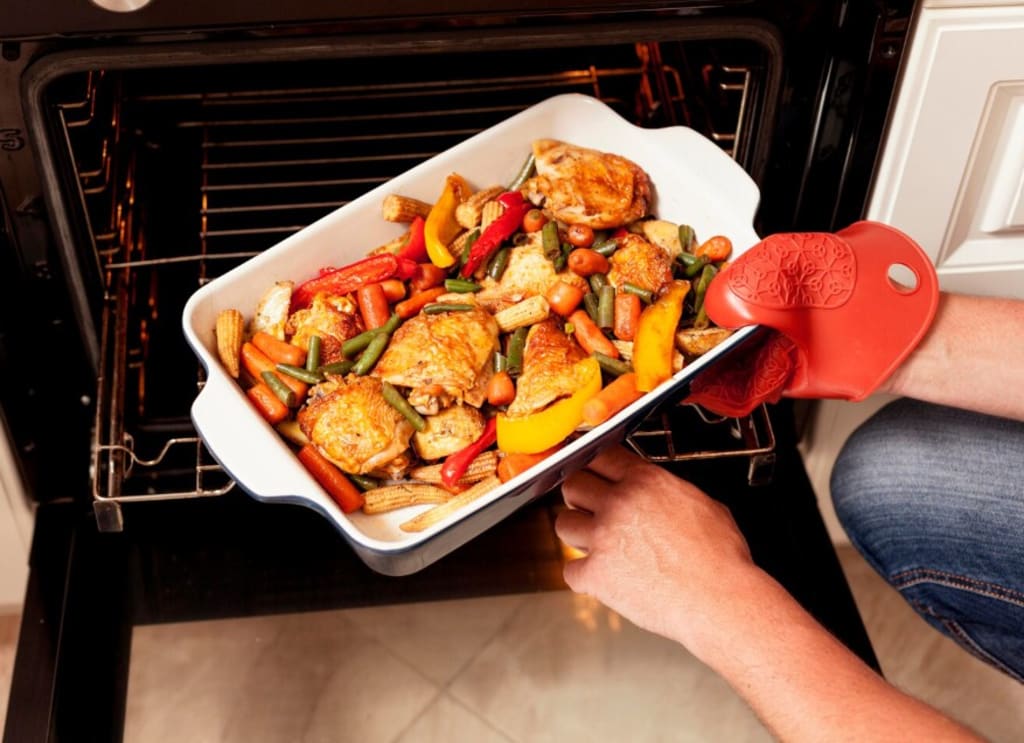
Food safety remains a critical concern for every household, particularly when storing and reheating leftover meat. Cooked chicken, whilst delicious and nutritious, poses specific storage challenges that many people overlook. Understanding proper storage times and safe reheating practices protects your family from foodborne illnesses while maximizing the value of your meals.
The Science Behind Chicken Storage
Cooked chicken can safely be stored in the refrigerator for 3 to 4 days when stored properly. This timeframe applies to all chicken preparations, including roasted whole birds, grilled breasts, casseroles, and stir-fries. The Food Standards Agency (FSA) emphasizes this guideline as bacteria multiply rapidly in the 'danger zone' between 5°C and 63°C.
Temperature control proves crucial for safe storage. Your refrigerator should maintain a consistent temperature below 5°C to effectively slow bacterial growth. Many households overlook this requirement, inadvertently creating conditions that allow harmful bacteria, such as Salmonella and Campylobacter, to thrive.
The clock starts ticking immediately after the cooking is done. Once the chicken reaches room temperature, bacteria begin multiplying exponentially. This biological process continues regardless of how the chicken initially appears, smells, or tastes. Visible signs of spoilage often appear only after dangerous bacterial levels have already developed.
Proper Storage Techniques for Maximum Freshness
Storing cooked chicken correctly extends its safe consumption window whilst preserving flavour and texture. Always transfer chicken to shallow, airtight containers within two hours of cooking. Shallow containers allow faster cooling, reducing the time spent in dangerous temperature ranges.
Label containers with cooking dates to accurately track storage duration. Many people forget when they prepared specific dishes, leading to uncertainty about safety. Clear dating systems eliminate guesswork and prevent accidental consumption of potentially hazardous food.
Refrigerator placement affects storage success significantly. Store chicken on middle or lower shelves where temperatures remain most consistent. Avoid door compartments, which experience frequent temperature fluctuations during opening and closing cycles.
Consider portioning large quantities before storage. Smaller portions cool faster and reheat more evenly, reducing bacterial risks whilst improving meal convenience. This approach also allows you to use portions as needed without repeatedly exposing the entire batch to temperature changes.
Recognizing Signs of Spoilage
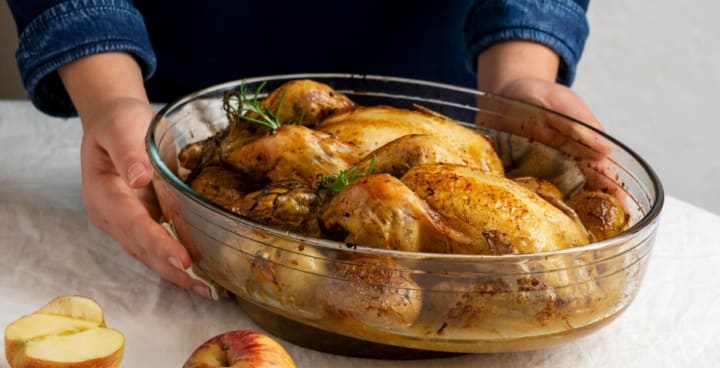
Fresh cooked chicken maintains its original colour and texture for several days when stored correctly. However, spoilage indicators develop gradually and require careful observation. Changes in smell often provide the first warning sign, with off-odours developing before visible changes occur.
Slimy textures indicate bacterial growth and demand immediate disposal. This characteristic develops as bacteria produce biofilms on the surfaces of meat. Never taste chicken showing these signs, as cooking cannot eliminate all bacterial toxins.
Colour changes, although concerning, prove less reliable than alterations in smell or texture. Chicken naturally darkens slightly during storage due to oxidation processes. However, grey, green, or unusual discoloration suggests spoilage and requires disposal.
When doubt exists about chicken safety, follow the fundamental food safety principle: 'When in doubt, throw it out.' The cost of replacing questionable leftovers is minimal compared to the potential medical expenses associated with foodborne illness.
Safe Reheating Practices
Proper reheating techniques eliminate remaining bacteria whilst restoring the chicken's palatability. The FSA recommends heating chicken to an internal temperature of 75°C throughout the cooking process. Use a food thermometer to verify temperatures, particularly in thick portions where cold spots might persist.
Microwave reheating requires special attention to ensure even heating. Arrange chicken pieces with thicker portions toward the outside, allowing more intense microwave energy to penetrate dense areas. Cover containers to trap steam and promote uniform heating.
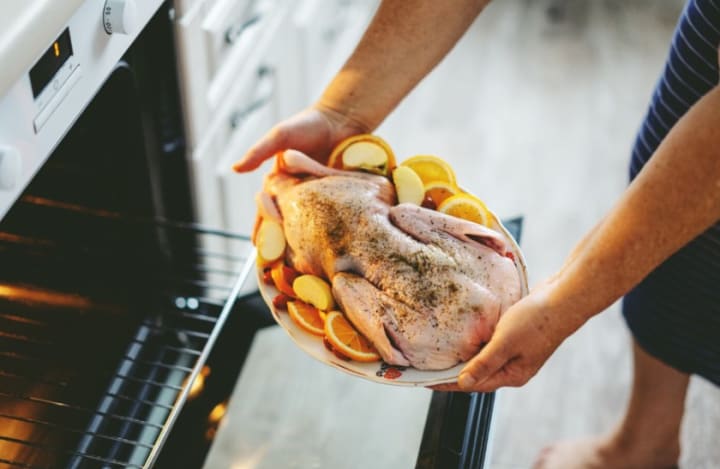
Oven reheating provides excellent results for larger portions. Preheat ovens to 180°C and add small amounts of liquid to prevent drying. Cover dishes with foil to maintain moisture whilst ensuring thorough heating.
Many people wonder how to reheat leftover foods safely. Learn how can you reheat rice properly by using similar temperature guidelines – rice should reach 75°C throughout and be piping hot before serving. The same principles apply to most leftover foods, making comprehensive food safety knowledge valuable for every home cook.
Storage Duration for Different Chicken Preparations
Different chicken dishes have varying storage characteristics. Plain roasted or grilled chicken typically maintains quality throughout the full four-day window. However, dishes containing dairy, vegetables, or sauces may deteriorate more quickly due to the presence of these additional ingredients.
Chicken salads and dishes with mayonnaise-based dressings require extra caution. These preparations often contain ingredients that spoil faster than plain chicken, reducing overall storage time. Consider consuming these dishes within two days for optimal safety and quality.
Casseroles and cooked dishes with mixed ingredients present unique challenges. The safest approach involves treating the entire dish according to its most perishable component. This conservative strategy prevents food safety compromises.
Freezing as an Alternative Storage Method
Freezing extends chicken storage significantly, maintaining safety for up to six months when properly packaged. However, texture and flavour changes occur during frozen storage, affecting meal quality. Vacuum sealing or using heavy-duty freezer bags prevents freezer burn and preserves quality better than standard containers.
Label frozen chicken clearly with its contents and the date it was frozen. Frozen foods remain safe indefinitely when stored at proper temperatures, but their quality deteriorates over time. Use the oldest items first to maintain meal satisfaction.
Thaw frozen chicken safely in the refrigerator, allowing adequate time for complete thawing. Never thaw chicken at room temperature, as this creates ideal conditions for bacterial growth. Plan thawing time to avoid food safety compromises.
Understanding Cross-Contamination Risks
Proper storage prevents cross-contamination between chicken and other foods. Store chicken below ready-to-eat items to prevent dripping onto foods that won't receive further cooking. This simple arrangement eliminates a major pathway for contamination.
Clean all surfaces, utensils, and containers that come into contact with raw or cooked chicken thoroughly to prevent contamination. Bacteria can survive on kitchen surfaces for extended periods, creating ongoing contamination risks. Regular sanitizing prevents bacterial accumulation.
Consider dedicated cutting boards for meat preparation. This practice eliminates the risk of cross-contamination between raw meat and other ingredients. Many professional kitchens use colour-coded systems to maintain separation consistently.
Similar precautions apply when handling other leftover foods. Learn how you can reheat rice and other grains safely by maintaining clean preparation areas and avoiding contamination between different food types. These practices create comprehensive food safety systems in home kitchens.
Making Informed Food Safety Decisions
Understanding chicken storage guidelines empowers confident meal planning and effective management of leftovers. These principles extend beyond chicken to encompass broader food safety practices that protect family health whilst reducing food waste.
Regularly monitoring refrigerator temperature ensures optimal storage conditions for all foods. Inexpensive thermometers provide ongoing verification of proper temperatures, identifying potential problems before food safety compromises occur.
Meal planning that incorporates proper storage timelines reduces waste whilst maintaining safety standards. Planning leftover consumption within safe timeframes maximizes food value without compromising health.
Conclusion
Cooked chicken remains safe for 3 to 4 days in a properly maintained refrigerator at a temperature below 5°C. Following proper storage techniques, recognizing spoilage signs, and implementing safe reheating practices protects your family from foodborne illnesses while maximizing meal value. Remember that food safety principles apply across all leftovers – understanding comprehensive storage and reheating guidelines creates a foundation for confident home cooking and meal management.
About the Creator
The Psychology of Conviction: How Successful People Execute Bold Ideas Fearlessly
Executing bold ideas requires more than just ambition and creativity; it demands a powerful mindset. Many people come up with great ideas, but only a few can confidently and consistently turn those ideas into reality. What separates those who execute fearlessly from those who hesitate or abandon their plans is a deep psychological understanding of conviction.
By Brian Ferdinand3 days ago in Education




Comments
There are no comments for this story
Be the first to respond and start the conversation.