
How Ion Exchange Technology Works in Water Softeners
The Essential Role of Salt Tablets in Regenerating Resin Beads
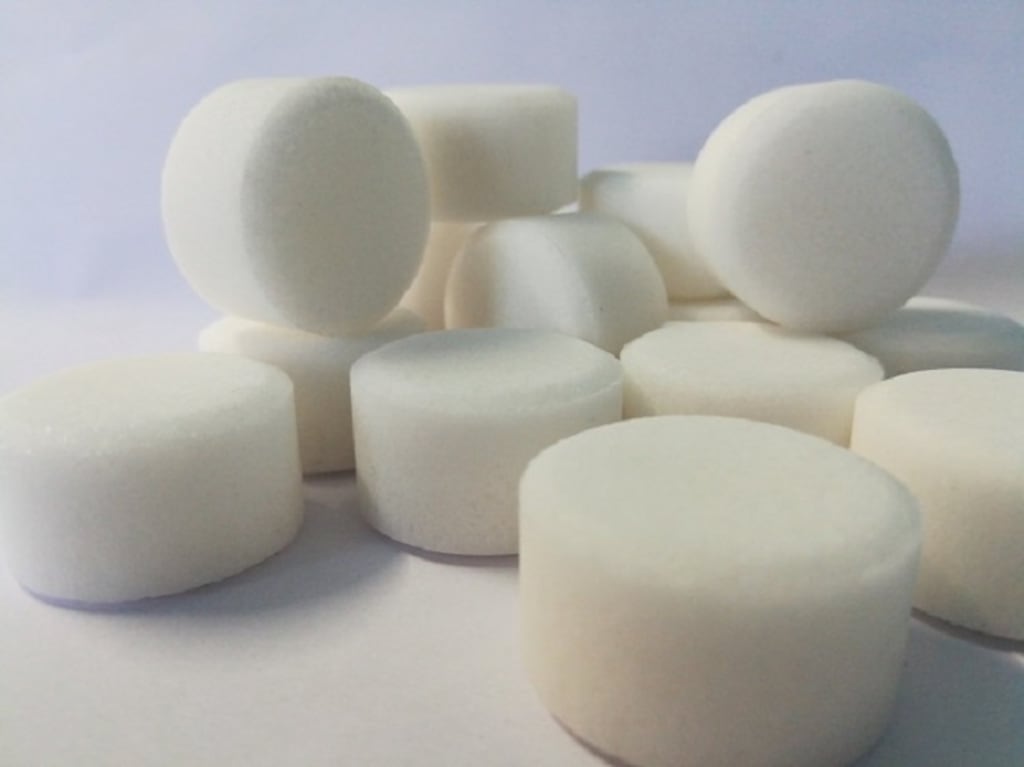
Water softening is a vital process for managing hard water and its associated problems, from scaling in pipes to soap scum on fixtures. Among the various methods and components involved, salt tablets are a cornerstone in maintaining the effectiveness of many water softeners. But how exactly do these simple tablets contribute to making water softer? Here’s a detailed look at the role of salt tablets in the water softening process.
The Problem of Hard Water
Hard water is characterized by elevated levels of calcium (Ca²⁺) and magnesium (Mg²⁺) ions. These minerals enter the water supply from natural sources such as limestone and chalk deposits. Hard water poses several challenges, including:
Scale Buildup: Calcium and magnesium can form scale deposits on pipes, heaters, and appliances, leading to reduced efficiency and potential damage.
Reduced Effectiveness of Soaps and Detergents: Hard water reacts with soaps, forming insoluble soap scum, which reduces cleaning efficiency and leaves residues.
Increased Energy Costs: Scale buildup in heating elements can increase energy consumption as more energy is needed to heat water.
How Water Softeners Work
Water softeners primarily use a process called ion exchange to tackle hard water. The ion exchange process involves a specialized tank filled with resin beads, which are initially saturated with sodium ions (Na⁺). Here’s a step-by-step explanation of how this process works:
Hard Water Entry: Hard water enters the softener tank and flows through the resin beads.
Ion Exchange Process: The calcium and magnesium ions in the hard water are attracted to the resin beads. These ions exchange places with the sodium ions on the beads, which are released into the water. The result is water with reduced hardness.
Soft Water Output: The water that exits the softener is now softer, having a lower concentration of calcium and magnesium ions.
The Role of Salt Tablets
Salt tablets are essential for regenerating the resin beads in a water softener. Over time, as the resin beads exchange sodium ions for calcium and magnesium ions, they become saturated with the hardness minerals and lose their effectiveness. This is where salt tablets come into play:
Regeneration Cycle: To restore the resin beads, the water softener performs a regeneration cycle. During this cycle, a brine solution made from dissolved salt tablets is introduced into the resin tank.
Desaturation of Resin Beads: The high concentration of sodium ions in the brine solution displaces the accumulated calcium and magnesium ions from the resin beads. The beads are recharged with sodium ions, ready to resume their ion exchange function.
Flush Out: The displaced hardness minerals, now in the brine solution, are flushed out of the system, cleaning the resin beads and preparing the system for the next cycle of water softening.
Choosing the Right Salt Tablets
Selecting the appropriate salt tablets is important for the efficiency and longevity of your water softener. Consider the following factors:
Type of Salt: Sodium chloride is the most common type of salt used in tablets for water softeners. Potassium chloride is an alternative that can be used, often chosen for its environmental benefits, though it is usually more expensive.
Purity and Quality: Opt for high-purity salt tablets that are specifically designed for water softeners. Impurities can lead to residue buildup and operational issues.
Manufacturer Specifications: Always follow the recommendations provided by the manufacturer of your water softener to ensure compatibility and optimal performance.
Benefits of Using Salt Tablets
Using salt tablets in your water softener offers several advantages:
Improved Efficiency: Proper regeneration of the resin beads ensures that the softener continues to effectively remove hardness from the water.
Reduced Maintenance Costs: Preventing scale buildup helps extend the life of pipes, appliances, and fixtures.
Better Cleaning: Soft water improves the effectiveness of soaps and detergents, leading to cleaner dishes, laundry, and surfaces.
Conclusion
Salt tablets are a fundamental component in the water softening process, ensuring that the resin beads in your water softener remain effective at removing hardness from your water supply. By understanding their role and properly maintaining your water softener, you can enjoy the many benefits of softened water, including reduced scale buildup, improved cleaning efficiency, and extended appliance life. Read more here about Top-Quality Salt Tablets
About the Creator
Keep reading
More stories from 3D Aqua - An International Water Treatment Company and writers in Education and other communities.
The Essential Guide to Water Treatment Systems: Optimal Solutions, Purchase Tips, and Key Information
In today’s world, ensuring access to clean and safe water is more crucial than ever. Whether for residential use or industrial applications, a reliable water treatment system is essential for maintaining water quality and protecting health. This guide will explore the top water treatment systems, provide insights on where to buy them, and highlight key tips for making the best purchase decisions.
By 3D Aqua - An International Water Treatment Companyabout a year ago in Lifehack
Why Workplace Safety Is Quietly Becoming a Business Survival Factor in Abu Dhabi’s Industrial Sector
Something has changed in how industrial projects are awarded in Abu Dhabi. It is not always written clearly in tender documents. But companies feel it during vendor reviews, site audits, and client meetings. Workplace safety is now being treated as a signal of how stable and reliable a company really is.
By Umar Quality Jounal2 days ago in Education
How AI Is Making It Harder for College Graduates to Get Jobs in Software Engineering
Artificial intelligence is changing software engineering quickly. While AI tools improve productivity for companies and seasoned developers, they are also altering the job market. This shift makes it harder for new college graduates to find entry-level positions. The traditional route of earning a computer science degree, applying for junior developer jobs, and learning on the job is fading fast. AI is not completely removing software engineering jobs, but it is changing who gets hired, what skills are necessary, and how much output junior engineers are expected to provide right from the start.
By Rajiv Menon5 days ago in Education
Diaries to Nietzsche
Quotation from Friedrich Nietzsche "He who wrestles long with monsters should beware lest he himself become a monster. And if you gaze long into an abyss, the abyss also gazes into you. Man is not destroyed by suffering, but by the meaning he makes of it."
By LUCCIAN LAYTH2 days ago in Critique




Comments
There are no comments for this story
Be the first to respond and start the conversation.