
How I Landed a Data Science Internship with Zero Experience!
Data Science


Breaking into the field of data science can seem daunting, especially for students with little to no experience. But the good news is that with the right approach and resources, landing a data science internship is entirely possible. Here’s how I did it, and how you can too, even if you’re starting from scratch.
1. Choosing the Right Data Science Course
The first step on my journey was enrolling in a comprehensive Data Science Course. The key is to choose a course that covers the fundamentals as well as advanced topics. Look for courses that include hands-on projects and real-world case studies. Online platforms like Coursera, Udemy, and edX offer excellent courses from top universities and companies. The right Data Science Course can provide you with the necessary knowledge and skills, making your resume stand out to potential employers.
2. Building a Strong Foundation
Before diving into complex algorithms and machine learning models, I focused on building a strong foundation. This included understanding statistics, learning programming languages like Python and R, and getting comfortable with data manipulation and visualization tools like pandas and Matplotlib. The Data Science Course I chose had modules dedicated to these essential topics, ensuring I had a solid base to build upon.
3. Hands-On Practice
Theory alone isn’t enough. To truly grasp data science concepts, practical application is crucial. My Data Science Course included various projects that allowed me to apply what I learned. I worked on datasets ranging from simple ones like Titanic passenger data to more complex ones involving stock prices and social media sentiment analysis. These projects not only honed my skills but also became valuable additions to my portfolio.
4. Creating a Portfolio
Speaking of portfolios, having a showcase of your work is critical. I created a GitHub repository where I uploaded all my project files. Each project had a detailed readme file explaining the problem, the approach I took, the tools I used, and the results. This repository acted as a tangible proof of my abilities and dedication when I applied for internships.
5. Networking and Seeking Mentorship
Networking played a pivotal role in my journey. I joined online communities, attended webinars, and participated in forums dedicated to data science. Platforms like LinkedIn and Kaggle are excellent for connecting with professionals and peers. Through these networks, I found mentors who guided me, provided feedback on my projects, and shared valuable industry insights.
6. Tailoring My Resume and Applying for Internships
With a strong foundation, a solid portfolio, and industry connections, I felt ready to apply for internships. I tailored my resume to highlight my skills, projects, and the Data Science Course I completed. Each application was customized to the specific role and company, emphasizing how my background and projects aligned with their needs. This personalized approach significantly increased my chances of getting noticed.
7. Nailing the Interview
When I finally landed interviews, I made sure to prepare thoroughly. I reviewed common data science interview questions, practiced explaining my projects, and brushed up on key concepts. Confidence and clarity were my allies. I made it a point to demonstrate not just what I knew, but how I could apply that knowledge to solve real-world problems.
Conclusion
Landing a data science internship with zero experience is challenging but achievable. The right Data Science Course, combined with practical experience, networking, and a strategic approach to applications, can open doors to exciting opportunities. If I could do it, so can you. Stay dedicated, keep learning, and don’t be afraid to take that first step towards your data science career.
About the Creator
Keep reading
More stories from Shakeroddin Inamdar and writers in Education and other communities.
How to Choose the Right Investment Banking Course: A Comprehensive Guide
Investment banking is a highly lucrative and competitive field. Aspiring professionals often seek specialized courses to gain the knowledge and skills necessary to succeed. However, with a plethora of options available, choosing the right investment banking course can be overwhelming. This guide will help you navigate through the selection process, ensuring you make an informed decision that aligns with your career goals.
By Shakeroddin Inamdar2 years ago in Education
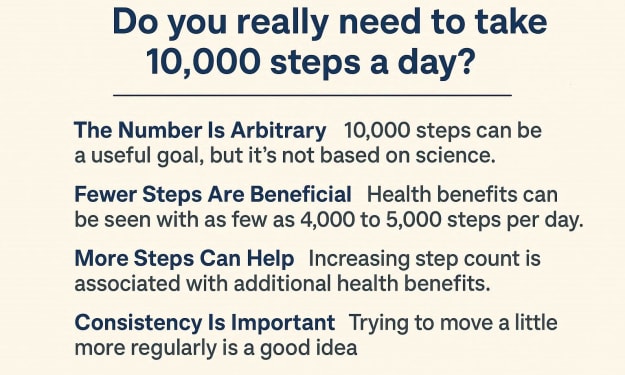
Do you really need to take 10,000 steps a day?
While most people avoid spending the night in jail, Jean Béliveau jumped at the opportunity. For the past three years, Béliveau had been walking from country to country, with the goal of circumnavigating the globe on foot. This required sleeping in tents, strangers’ homes, and the occasional jail cell along the way. But this morning, as Béliveau was ready to leave, the police chief, who had agreed to his sleeping arrangement, was nowhere to be found, and the guards weren’t buying his story. Few people have the time or desire to walk such extreme lengths.
By Munesh Yadavabout 7 hours ago in Education
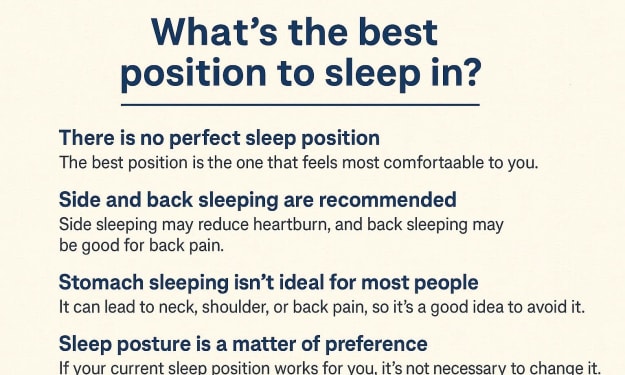
What’s the best position to sleep in?
In the 1970s, psychoanalyst Samuel Dunkell proposed a curious, albeit almost completely unsubstantiated, theory that the position you sleep in reflects your personality. For example, preferring to snooze in the so-called royal position indicated self-confidence, while sleeping semi-fetal meant you’re sensible and well adjusted. While Dunkell’s ideas lack any definitive proof, how we sleep can impact our health. So, what’s the best position to sleep in? Sleep positions go by countless creative names—
By Munesh Yadavabout 7 hours ago in Education
The Summer I Was Chosen by a Northern Mockingbird
During the long, suspended days of the pandemic, a wild mockingbird began visiting my driveway and chose me, again and again. What started as a strange encounter became a brief, meaningful connection that I still carry with me.
By Erica Roberts 4 days ago in Petlife


Comments
There are no comments for this story
Be the first to respond and start the conversation.