
How does stress affect mental health, and how is it best managed?
Stress affect mental health
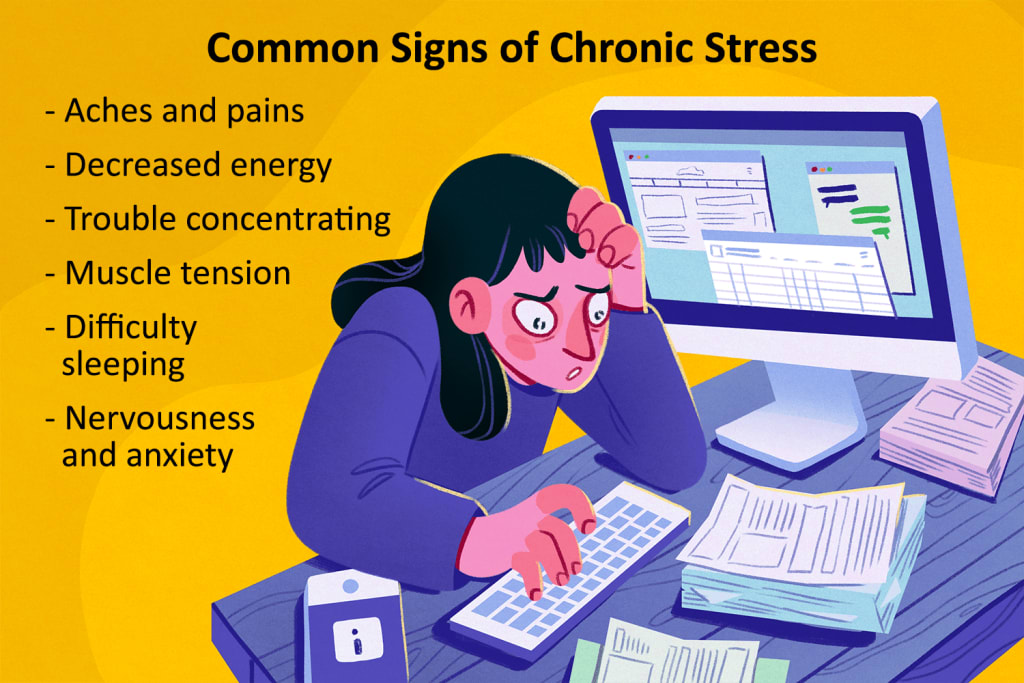
Answer:
Stress is one of the most common experiences of human life. In moderation, it can act as a motivating factor, as it allows us to perform under pressure or meet deadlines. However, when stress is overwhelming or chronic, it can have severe effects on physical and mental health. The connection between stress and mental health is well established, and an understanding of this connection is central to the development of a more healthful, resilient lifestyle. To be successful in managing stress, one must have an awareness of its impact, its causes, and the adoption of habits that improve balance, self-control, and mental stability.
The Connection Between Stress and Mental Health
Stress occurs when our physical, emotional, or psychological demands exceed the body's or mind's ability to cope. In the short term, stress triggers the body's "fight or flight" response. Stress hormones such as cortisol and adrenaline course through the system, speeding up heart rate, increasing blood pressure, and concentrating attention. Helpful in an emergency, chronic exposure to stress hormones can devastate almost every system in the body, including the brain.
Chronic stress has also been linked to several mental illnesses, including:
Anxiety Disorders – Stress heightens the body's state of arousal, which can be manifested as constant worry, nervousness, or panic. Individuals exposed to chronic stress often develop generalized anxiety disorder or panic disorder.
Depression – Chronic or unresolved stressful life events can result in depressive symptomatology such as hopelessness, fatigue, and a lack of interest in daily activities. Stressful events disrupt brain neurotransmitters such as serotonin and dopamine, both of which have some function in mood regulation.
Sleep Disorders – Stress interferes with normal sleep patterns, often leading to insomnia or agitated sleep. Lack of quality sleep further worsens mood, concentration, and emotional regulation, setting up a cycle of poor mental health.
Cognitive Impairment – Chronic stress affects memory, decision-making, and concentration. Chronic stress has actually been shown to shrink areas of the brain used for learning and memory, such as the hippocampus.
Substance Abuse – In trying to manage stress, individuals turn to alcohol, nicotine, or drugs, further worsening mental health and leading to dependency.
The impact of stress doesn't end at clinical disorder. Even in the absence of a clinical disorder, chronic stress lowers overall emotional resilience, rendering an individual more prone to irritability, mood swings, and burnout.
Sources of Stress in Modern Life
The causes of stress are myriad, but some common causes include:
Work-Related Stress – Deadlines, workload, job insecurity, and lack of work-life balance are significant sources of stress.
Financial Stress – Debt worries, bills, or supporting a family are among the most common stressors.
Relationship Issues – Partner, family, or friend problems can lead to sustained emotional tension.
Health Issues – Chronic illness, disability, or caregiving responsibilities consistently generate physical as well as emotional stress.
Major Life Changes – Stressors such as a move, divorce, or loss of a loved one devastate a person's sense of security.
Societal Pressures – In this day and age, stressors such as social media comparison, political instability, or global crises can add that extra dimension of ambient stress.
Recognition of these stressors is the first step to resolving them.
The Mind-Body Connection in Stress
Stress depicts the close connection between mind and body. For example, when an individual is stressed in the workplace, he or she may acquire headaches, stomachaches, or muscle tension along with worry or irritability. Conversely, these physical conditions can also contribute to mental tension. In the long term, the repeated cycle of stress may cause long-term diseases like hypertension, obesity, and weakened immunity, which in turn worsen mental health consequences. The bidirectional relationship highlights the necessity for comprehensive management of stress.
Effective Methods of Stress Management
Management of stress involves both short-term coping and long-term lifestyle changes. The following techniques can make a great difference:
1. Relaxation and Mindfulness Techniques
Mindfulness meditation, slow breathing, and progressive muscle relaxation are very effective methods for calming the mind and body. By focusing on the present moment, individuals can decelerate speeding thoughts and become more attuned to where they are carrying stress in their bodies. Even mindful breathing on a daily basis for just a few minutes a day can reduce cortisol levels and bring on relaxation.
2. Physical Activity
One of the greatest stress reducers is physical exercise. It reduces levels of stress hormones, releases endorphins, and improves sleep. Walking, running, yoga, or swimming not only strengthen the body but also calm the mind. Regular exercise as a habit increases resistance to stress in the future.
3. Healthy Lifestyle Habits
Nutrition, hydration, and sleep are foundational to stress management. A diet of whole foods gives the brain the fuel it requires to operate, and adequate sleep permits emotional restoration. Reducing caffeine, alcohol, and processed foods can also reduce stress symptoms.
4. Time Management
One of the reasons people get stressed is that they overcommit or struggle with prioritization. Effective time management—using to-do lists, setting realistic goals, and delegating where possible—provides structure and reduces feelings of overwhelm.
5. Building Healthy Social Support
Human beings are social, and support from family and friends is essential under times of stress. Talking to a close friend or confidant can unburden feelings, provide perspective, and end up isolation. Online or in-person support groups also provide shared experience and support.
6. Setting Boundaries
Saying "no" is an essential stress management skill. Overcommitting, whether in personal or professional spheres, leads to burnout. Boundaries around work hours, personal time, and emotional labor protect mental health.
7. Professional Support and Therapy
For people who are experiencing severe or chronic stress, therapy can be a lifesaver. Therapies such as cognitive-behavioral therapy (CBT) teach individuals how to reframe negative thoughts and develop healthier stress responses. With the guidance of a professional, underlying problems such as unresolved trauma or perfectionism that are driving stress can be revealed.
8. Hobbies and Leisure Activities
Participating in a hobby—reading, gardening, painting, or listening to music—offers an avenue for creativity and relaxation. These hobbies enable the mind to refresh, giving a respite from around-the-clock duties.
9. Spiritual or Meaningful Activities
For some individuals, spirituality or religious activities provide solace and perspective. Others find meaning by volunteering, keeping a journal, or being in nature. Having meaning counteracts feelings of helplessness and promotes resilience.
10. Reducing Digital Overload
Ongoing exposure to emails, news, and social media can create a sense of "always on." Taking regular breaks from screens, setting digital boundaries, and doing "digital detoxes" allow the mind to unwind.
Long-Term Resilience Building
While coping mechanisms in the short term are useful, developing resilience is the long-term goal in stress management. Resilience is the ability to adapt and bounce back from adversity. It does not mean avoiding difficulty but, rather, engaging with it using strength and flexibility. Resilience is built through self-awareness, adaptive coping skills, emotional intelligence, and social support. People who develop resilience are better able to deal with difficulty without causing long-term damage to their mental health.
When to Seek Professional Help
Because stress affects everyone, there are times when it becomes unmanageable and cannot be resolved without assistance. It's time to seek help when stress leads to:
Chronic depression or anxiety
Severe sleep disturbances
Inability to function at work or home
Withdrawal from relationships
Use of alcohol or drugs to cope with it
Physical symptoms with no apparent medical cause
A mental health worker can provide tips, tools, and even medication sometimes to more effectively deal with stress. Seeking help is a proactive stance towards health and not weakness.
Conclusion
Stress is an unavoidable part of life, but how we respond to it makes all the difference to our mental health and overall well-being. Stress, if unmanaged, can culminate in serious mental illness, damage relationships, and impair daily functioning. By being aware of its impact and making a conscious effort to practice stress management skills, one can become resilient, regain one's equilibrium, and improve the quality of life.
Managing stress is an integrated process—mind and body care, creating supportive spaces, and seeking professional intervention when required. Lastly, stress management is less about eliminating stress than about learning to cope with it in healthier, more sustainable ways.
For more details and resources on stress management and mental well-being, you can log on to:
About the Creator
Keep reading
More stories from Naveen Garg and writers in Education and other communities.
What is the role of psychologists in helping to combat workplace stress and burnout?
Workplace stress and burnout are serious issues in contemporary work settings. With mounting workloads, close deadlines, lofty expectations, and round-the-clock connectivity, workers often experience pressure that can impact their mental well-being, work performance, and overall quality of life. Burnout, a chronic state of workplace stress, is marked by emotional exhaustion, depersonalization, and a decline in personal accomplishment. Its impact extends from individuals to organizations, brushing against productivity, workplace culture, and team dynamics. Psychologists play a pivotal role in helping individuals and organizations recognize, manage, and prevent workplace stress and burnout, implementing evidence-based strategies to improve mental health and professional satisfaction.
By Naveen Garg4 months ago in Education
The Editorial Stack: Building Content Teams for the Multi-Platform Era
In an age where content travels across screens, feeds, formats, and audiences in real time, the old newsroom model no longer fits the demands of digital publishing. Today's media landscape requires more than great writers and sharp editors—it demands a multi-disciplinary, agile, and strategically aligned editorial stack. From video producers to data analysts, newsletter editors to TikTok creators, modern content teams must be designed with versatility and collaboration at their core.
By James Kaminskyabout 3 hours ago in Education
Hosting a Book Fair
How many of you remember the “best week ever!” from when you were a child? Book fairs were the staple of many of our childhoods with Scholastic leading the way. While there are many choices for book fairs today and I absolutely want to talk about them, that’s going to be a later article.
By Reb Kreyling6 days ago in Education




Comments
There are no comments for this story
Be the first to respond and start the conversation.