
How does establishing these healthy boundaries help enhance mental health?
Help enhance
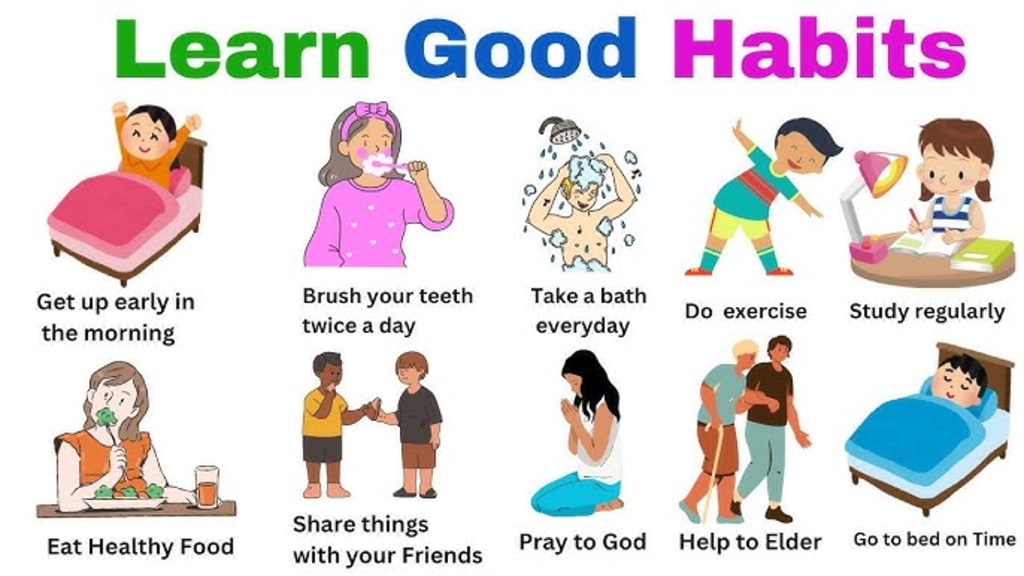
Boundaries are a vital yet frequently neglected part of mental health. They are the unseen lines between what's ours—our thoughts, feelings, values, time, and energy—and what's theirs. Too many people have trouble setting boundaries due to cultural pressures, fear of letting others down, or internalized messages that it's selfish to say "no.". But the reverse is actually true: establishing and maintaining healthy boundaries is a fiercely compassionate act, both towards others and ourselves. It helps us take care of our well-being while doing relationships and duties in sustainable manners.
Why Boundaries Matter for Mental Health
If boundaries are lacking or weak, individuals may experience resentment, burnout, and emotional exhaustion. For example, someone who responds affirmatively to every demand on the job can become stressed and overwhelmed in a matter of minutes, and someone who accepts rude behavior in relationships can have low self-esteem and depression. However, individuals with good boundaries have higher levels of emotional equilibrium, confidence, and healthy relationships.
Boundaries serve:
Guard emotional energy: Without them, we may constantly over-give, with little time for rest or self-care.
Lower anxiety: Clear boundaries for ourselves and others reduce uncertainty and conflict.
Foster respect: When we honor our own needs, others tend to honor them as well.
Facilitate healthy relationships: Boundaries stop codependency, unhealthy enmeshment, and emotional manipulation.
Support self-development: They make room for us to follow dreams and ambitions without being overrun by others' needs.
Types of Boundaries
Boundaries are not "one size fits all." They differ based on the situation and relationship. Some of the most typical include:
Emotional Boundaries: Safeguarding our emotions from being dismissed, belittled, or manipulated. For instance, not accepting nasty arguments.
Time Boundaries: Setting priorities about how and where we spend our time, e.g., limiting working hours or social outings.
Physical Boundaries: Valuing personal space, touch, and privacy.
Material Boundaries: Determining how we share money, property, or other material things.
Mental Boundaries: Guarding our right to our thoughts, values, and beliefs, even when they differ from those of others.
Digital Boundaries: Restricting screen time, switching off notifications at night, or determining what we post on the internet.
Real-Life Examples
Workplace: Think you would be asked to do more work after work hours. A positive boundary might be to say, "I can get to it tomorrow during business hours, but not tonight."
Relationships: If a friend vents to you late at night often, you may establish a boundary by saying, "I care about you, but I have to sleep early. Let's chat in the daytime instead."
Family: For a critical parent, a boundary could be: "I will not talk about my career options if it turns into judgment."
These illustrations emphasize that boundaries are not walls—they are doors. They establish connection without allowing harm.
Psychological Impact of Healthy Boundaries
Science consistently demonstrates that individuals who enforce and sustain boundaries feel:
Less stress: They organize their commitments realistically, avoiding overwhelm.
Higher self-esteem: They validate their value by respecting their needs.
Improved resilience: They recover from challenges without being depleted by others' expectations.
Healthier relationships: Clear limits lower misunderstandings and promote trust.
Conversely, unhealthy boundaries can contribute to anxiety, depression, resentment, people-pleasing, and burnout. For instance, caregivers with no boundaries tend to suffer from compassion fatigue, being emotionally exhausted by having to constantly put others first.
Steps to Build Healthy Boundaries
Self-awareness: Recognize where you feel resentful, drained, or overwhelmed—these are usually signals for firmer boundaries.
Define your values: Boundaries need to support what is most important to you. If spending time with family is a value, set limits on work demands that intrude.
Express yourself clearly: Speak clearly and respectfully with words like "I don't have time for that" or "I need some space."
Begin small: If boundaries are challenging, start with small ones—such as not taking a call during dinner.
Be consistent: Setting boundaries is only half the battle. Consistency is key, as inconsistency begets confusion.
Overcome guilt: Lots of individuals are guilty about saying no. Remember that self-care isn't selfish—it is essential.
Seek assistance: A therapist or support group can guide one through complex boundaries, particularly in abusive or toxic relationships.
Overcoming Common Challenges
Fear of rejection: Others fear that by establishing boundaries, they will push others away. Healthy relationships actually become stronger with respect.
Cultural and family expectations: In many societies, a "no" to elders, bosses, or family members might be perceived as being disrespectful. Boundaries can then be expressed softer but still maintain one's well-being.
Internalized people-pleasing: Those who were raised to prioritize others might have trouble setting boundaries. Treatment can assist in reframing self-worth independently of other people's approval.
Boundaries and Self-Care
Boundaries are the basis of self-care. Without them, exercises such as exercise, meditation, or rest tend to fall prey to others' expectations. With boundaries, self-care is a regular, non-negotiable element of life. For instance, finishing work in time makes way for family meals, hobbies, or rest, all of which enhance mental well-being.
The Role of Therapy
Most individuals must unlearn established patterns in order to learn to set boundaries. Psychologists and counselors assist clients in identifying the source of boundary problems, which can include childhood conditioning, trauma, or low self-esteem. Through therapy, methods of communication, emotional control, and assertiveness are taught to empower clients with healthy boundaries over time.
Conclusion
Healthy boundaries serve to safeguard mental well-being, facilitate equilibrium, and establish satisfying relationships. They prevent burnout, anxiety, and resentment and promote self-respect, confidence, and resilience. Setting boundaries is uncomfortable at first, particularly for those used to putting others first, but long-term rewards are rich. Boundaries are not walls; they are establishing healthier patterns of connection—patterns that respect both our own needs and the needs of others.
For expert advice and resources on developing healthier mental habits, you can go to:
About the Creator
Keep reading
More stories from Naveen Garg and writers in Education and other communities.
How do psychologists help individuals with trauma and post-traumatic stress disorder (PTSD)?
Trauma can fundamentally alter individuals' way of thinking, feeling, and relating to the world. Resulting from either a single, catastrophic event—a car accident, hurricane, or rape—or repeated, prolonged exposure to such events as child abuse, marital battering, or war, trauma has a tendency to leave lasting psychological scars. In most, they manifest as post-traumatic stress disorder (PTSD), a condition marked by unwanted memories, hyperarousal, avoidance, and distress that may persist for years if unaddressed.
By Naveen Garg4 months ago in Education
Decoding the Rise and Fall of Global Commodity Markets
Commodity markets have always moved in waves, rising and falling in response to forces that stretch far beyond daily trading activity. These movements can appear chaotic on the surface, yet beneath the volatility lies a structure shaped by economics, human behavior, and long-term investment patterns. From energy and metals to agricultural products, commodities follow cycles that repeat over time, although never in the same way. Understanding these cycles offers clarity in markets often seen as unpredictable.
By Anthony Blumberg5 days ago in Education
Top 10 Essential Skills for Success in 2026
By 2026, the job market is no longer driven only by degrees or titles. Technology, especially Artificial Intelligence (AI), automation, and remote work, has changed how companies operate and how people work. Many routine tasks are now handled by machines, while humans are expected to do work that requires thinking, judgment, creativity, and emotional understanding. This shift means that skills — not just education — determine success. The following 10 skills are considered essential for 2026 because they combine technology awareness with human intelligence. Let’s understand them one by one, step by step.
By Talha khan4 days ago in Education



Comments
There are no comments for this story
Be the first to respond and start the conversation.