
How Does a Surge Protector Work? (A Complete Guide)
Learn how a surge protector works and why it’s essential for safeguarding your electronic devices from voltage spikes. Find the best surge protection for your home today!


Electrical devices are an essential part of our daily lives. However, they are vulnerable to power surges, which can damage or destroy them. That’s where a surge protector comes in. But how does a surge protector work? In this guide, we'll explain it in simple terms.
What Is a Surge Protector?
A surge protector is a device designed to shield electronics from sudden increases in voltage. These voltage spikes, known as power surges, can occur due to lightning strikes, power grid fluctuations, or even large appliances switching on and off. Without protection, these surges can overload and harm electronic components.
Why Do Power Surges Happen?
Power surges occur for several reasons, including:
- Lightning Strikes: One of the most powerful sources of electrical surges.
- Power Grid Fluctuations: Changes in electricity supply can cause momentary voltage increases.
- High-Power Devices: Appliances like air conditioners and refrigerators can cause minor surges when they turn on and off.
These sudden voltage spikes can damage sensitive electronics, leading to costly repairs or replacements.
How Does a Surge Protector Work?
A surge protector operates by regulating the flow of electricity. Normally, electricity moves at a stable voltage (usually 120V in the U.S. and 230V in many other countries). When a surge occurs, the protector detects the excess voltage and redirects it away from connected devices.
Key Components of a Surge Protector:
- Metal Oxide Varistor (MOV): The core component that absorbs excess voltage.
- Gas Discharge Arrestor: Handles high-voltage spikes by diverting electricity safely.
- Circuit Breakers: Additional safety measures to prevent damage.
When a surge happens, the MOV absorbs the excess electricity and prevents it from reaching your devices. As a result, your electronics stay safe.
Types of Surge Protectors
There are several types of surge protectors, each suited for different applications:
- Power Strip Surge Protectors: Common for home and office use.
- Whole-House Surge Protectors: Installed at the main electrical panel to protect the entire home.
- UPS (Uninterruptible Power Supply): Provides surge protection and battery backup.
Each type serves a specific purpose, ensuring that devices remain safeguarded from unexpected voltage spikes.
Benefits of Using a Surge Protector
Using a surge protector offers numerous advantages, including:
- Prevention of Device Damage: Protects sensitive electronics like computers and TVs.
- Extended Device Lifespan: Reduces wear and tear caused by electrical fluctuations.
- Cost Savings: Helps avoid expensive repairs and replacements.
By investing in surge protection, you ensure that your devices remain safe and functional for a longer period.
How to Choose the Right Surge Protector
Before buying a surge protector, consider these factors:
- Joule Rating: Higher joule ratings offer better protection.
- Number of Outlets: Ensure it can accommodate all your devices.
- Clamping Voltage: Lower clamping voltage means better surge suppression.
Checking these features will help you find a reliable and effective surge protector for your needs.
Conclusion
A surge protector is an essential tool for keeping electronic devices safe from voltage spikes. It works by detecting excess electricity and redirecting it away from connected devices.
Without surge protection, your electronics are at risk of damage from sudden power surges. Investing in a quality surge protector can save you money and prolong the life of your devices.
FAQ
What is the purpose of a surge protector?
A surge protector prevents damage to electronic devices by absorbing and redirecting excess voltage during power surges.
How long does a surge protector last?
The lifespan of a surge protector depends on its joule rating and how often it encounters power surges. It’s recommended to replace them every few years.
Can a surge protector stop lightning strikes?
While a surge protector can help protect against voltage fluctuations, direct lightning strikes may still cause damage. A whole-house surge protector provides better protection.
How do I know if my surge protector is working?
Most surge protectors have an indicator light. If the light turns off, the protection may no longer function, and the device needs replacement.
Do all power strips have surge protection?
No, not all power strips offer surge protection. Check for joule ratings and surge suppression features before purchasing.
About the Creator
Surge Protector Mart
🔌 Surge Protector Power Mart—your trusted source for expert insights on power protection! Discover everything from safety tips to in-depth reviews and comparisons to keep your devices secure and your setup smart.
Keep reading
More stories from Surge Protector Mart and writers in Education and other communities.
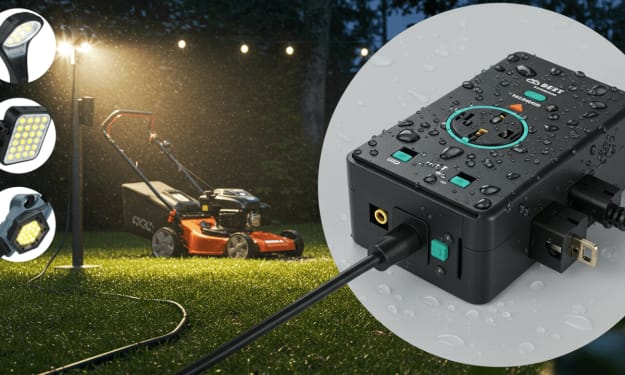
Best Outdoor Surge Protector Waterproof (Ultimate Guide)
When setting up outdoor electronics, protecting them from power surges and harsh weather conditions is crucial. The best outdoor surge protector waterproof ensures your devices remain safe from voltage spikes, rain, and dust. In this guide, we’ll explore the top options, key features, and how to choose the right one.
By Surge Protector Mart8 months ago in Education



Comments