
How can we Reduce the ageing of our Brain
🔹 Informative and Uplifting “Simple Daily Habits to Keep Your Mind Sharp and Young” 🔹 Scientific and Professional “Evidence-Based Strategies to Slow Cognitive Decline and Boost Brain Health” 🔹 Catchy and Motivational “Train Your Brain: Age Slower, Live Smarter” 🔹 Balanced and Clear “A Practical Guide to Slowing Down Brain Aging Naturally”
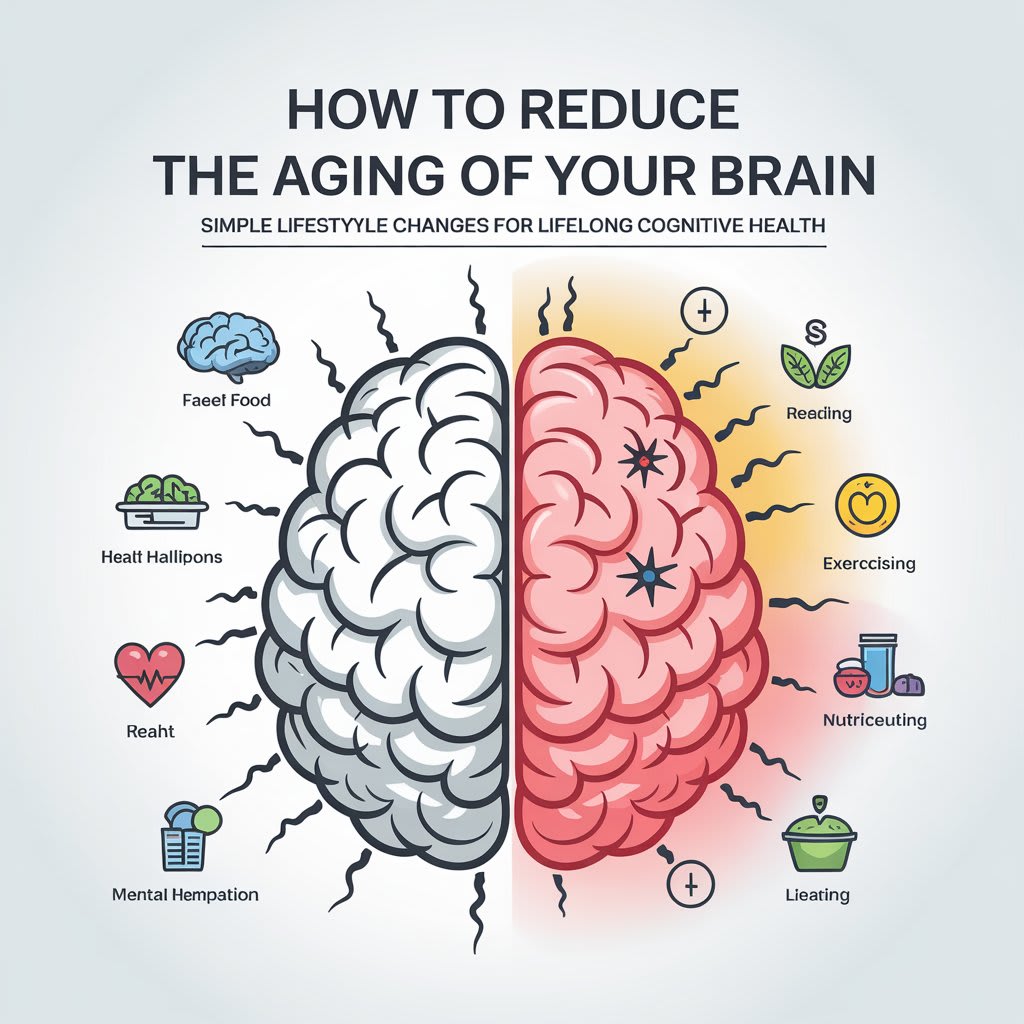
As we grow older, it’s natural for our bodies—and brains—to go through changes. However, while aging is inevitable, how we age is largely influenced by our lifestyle choices. Just as you can keep your body fit and resilient, you can also slow the aging process of your brain. Maintaining cognitive function, memory, and mental sharpness into old age is possible with a proactive approach to brain health. Here's how:
1. Stay Physically Active
Physical exercise is one of the most powerful tools we have to combat brain aging. Regular aerobic exercise increases blood flow to the brain, which nourishes brain cells and stimulates the growth of new ones.
Cardio Workouts: Activities like walking, jogging, swimming, and cycling can enhance memory and slow cognitive decline.
Strength Training: Lifting weights or resistance training supports brain plasticity.
Balance and Flexibility: Yoga and tai chi help maintain coordination and reduce stress.
Research shows that people who exercise regularly have a lower risk of developing Alzheimer’s disease and other forms of dementia. Aim for at least 150 minutes of moderate aerobic activity per week.
2. Eat a Brain-Healthy Diet
Your brain thrives on nutrient-rich food. Diets high in antioxidants, healthy fats, vitamins, and minerals provide the building blocks for optimal brain function.
The Mediterranean Diet: Rich in fruits, vegetables, whole grains, nuts, olive oil, and fish. Studies link it to better cognitive function and a lower risk of dementia.
Omega-3 Fatty Acids: Found in fatty fish (like salmon and mackerel), flaxseeds, and walnuts. These fats are crucial for brain structure and function.
Antioxidants: Blueberries, spinach, kale, and dark chocolate help reduce oxidative stress on brain cells.
Avoid processed foods, refined sugars, and excessive alcohol, as they can increase inflammation and oxidative damage in the brain.
3. Stimulate Your Mind
Cognitive stimulation helps build a reserve of brain connections, which can delay the onset of cognitive decline.
Lifelong Learning: Taking up new hobbies, learning a language, or playing a musical instrument keeps the brain agile.
Puzzles and Games: Crossword puzzles, sudoku, chess, and memory games challenge the brain.
Reading and Writing: Both stimulate the imagination and improve cognitive processing.
Keeping your brain active increases neuroplasticity—the brain's ability to form new neural connections, which is essential for memory and learning.
4. Get Quality Sleep
Sleep plays a critical role in brain health. During sleep, the brain clears out toxins, consolidates memories, and rejuvenates itself.
7–9 Hours a Night: This is the recommended amount for most adults.
Sleep Hygiene: Maintain a consistent sleep schedule, avoid screens before bed, and create a relaxing bedtime routine.
Address Sleep Disorders: Conditions like sleep apnea can increase the risk of cognitive impairment.
Chronic sleep deprivation is linked to memory loss, mood disorders, and increased risk of neurodegenerative diseases.
5. Manage Stress
Chronic stress can damage brain cells, shrink the hippocampus (the memory center of the brain), and impair cognitive function.
Mindfulness Meditation: Regular practice helps reduce stress, enhance attention, and promote emotional balance.
Deep Breathing and Relaxation: Techniques such as progressive muscle relaxation and guided imagery help calm the mind.
Therapy and Support: Talking with a mental health professional or joining a support group can be incredibly beneficial.
Maintaining emotional well-being is just as important as physical health in protecting the brain.
6. Stay Socially Connected
Strong social ties have been shown to reduce the risk of cognitive decline and dementia. Human interaction stimulates multiple areas of the brain and provides emotional support.
Regular Conversations: Whether in person or online, talking with friends and family helps keep your brain sharp.
Join Clubs or Groups: Participate in book clubs, volunteer groups, or classes.
Avoid Isolation: Loneliness can lead to depression and cognitive decline.
Social engagement not only enhances mood but also helps preserve cognitive function over time.
7. Protect Your Brain Physically
Injuries to the brain can accelerate cognitive aging and increase the risk of dementia.
Wear Helmets: Always use appropriate protective gear when cycling or playing sports.
Prevent Falls: Keep your living space clutter-free, install grab bars if needed, and use good lighting.
Avoid Smoking and Excessive Drinking: Both can impair brain function and increase the risk of stroke and neurodegeneration.
Safety measures, although simple, play a key role in long-term brain health.
8. Keep Your Heart Healthy
What’s good for your heart is also good for your brain. Cardiovascular health directly affects brain function because the brain relies on a constant supply of oxygen-rich blood.
Control Blood Pressure and Cholesterol: High levels can damage blood vessels in the brain.
Maintain Healthy Blood Sugar Levels: Diabetes is linked to a higher risk of Alzheimer’s.
Avoid Obesity: Excess weight is associated with inflammation and impaired brain function.
A healthy cardiovascular system ensures that the brain gets the nutrients and oxygen it needs to function properly.
9. Lifelong Purpose and Positivity
Having a sense of purpose and maintaining a positive outlook can have protective effects on the brain.
Volunteer or Mentor: Helping others gives a sense of fulfillment.
Pursue Meaningful Goals: Whether it's learning a skill, writing a book, or traveling, purpose fuels mental energy.
Practice Gratitude: It helps reduce stress and improves emotional health.
People with a strong sense of meaning in life tend to have slower cognitive decline and live longer, healthier lives.
Conclusion
Reducing the aging of the brain is not about one miracle cure—it’s about a combination of habits that work together to promote lifelong cognitive vitality. Exercise your body and your mind, eat nourishing food, sleep well, manage stress, and stay socially and emotionally connected. Think of your brain as a lifelong partner—it will take care of you if you take care of it.
Making these choices early and consistently can dramatically improve not just the length of your life, but the quality of it as well.
About the Creator
Keep reading
More stories from ABID ULLAH and writers in Education and other communities.
The Basics of Learning
A Foundation for Lifelong Growth Learning is one of the most fundamental processes in human life. It allows us to adapt, grow, and thrive in an ever-changing world. From the moment we are born, we are constantly acquiring new skills, knowledge, and behaviors. Whether formal or informal, learning shapes our identities and defines our capabilities. But what does it mean to learn? What are the basic principles that underlie effective learning, and how can we improve our ability to learn throughout life?
By ABID ULLAH10 months ago in Education
How to Create Secure Passwords: Guide
Every day, millions of people log in to email accounts, social networks, banking apps, and work platforms without giving much thought to what protects their digital lives. The password, a simple string of characters, stands between personal data and potential intruders. Yet despite its importance, weak password practices remain one of the leading causes of account breaches worldwide.
By News Trends Go4 days ago in Education
Innovation Without Compassion: How the Absence of Empathy Undermines Modern Healthcare
Healthcare innovation promises efficiency, accuracy, and expanded access to care. New technologies, digital platforms, and streamlined systems continue to reshape medicine. However, when innovation moves forward without empathy, it often fails the very people it intends to serve. Patients feel disconnected, clinicians feel overwhelmed, and organizations struggle to achieve meaningful results.
By Mark Bouzykabout 19 hours ago in Education



Comments
There are no comments for this story
Be the first to respond and start the conversation.