
How Can Start Digital Marketing For Beginners...
Introduction to Digital Marketing for Beginners

Digital marketing is an essential strategy for businesses in today's technology-driven world. It involves leveraging various online platforms and tools to promote products, services, or brands to a broad audience. Unlike traditional marketing methods, digital marketing offers precise targeting, measurable results, and cost-effective strategies. For beginners, diving into digital marketing might seem daunting, but with the right guidance, anyone can master the basics and start creating impactful campaigns.
Understanding Digital Marketing
What is Digital Marketing?
Digital marketing encompasses all marketing efforts that use an electronic device or the internet. Businesses leverage digital channels such as search engines, social media, email, and websites to connect with current and prospective customers.
Importance of Digital Marketing
1. Wider Reach: The internet allows businesses to reach a global audience.
2. Cost-Effective: Compared to traditional marketing, digital marketing is more affordable.
3. Measurable Results: Digital tools and analytics allow for real-time tracking of campaign performance.
4. Engagement: Interactive platforms foster direct engagement with the audience, building stronger relationships.
5. Targeted Advertising: Marketers can target specific demographics, interests, and behaviors.
Key Components of Digital Marketing
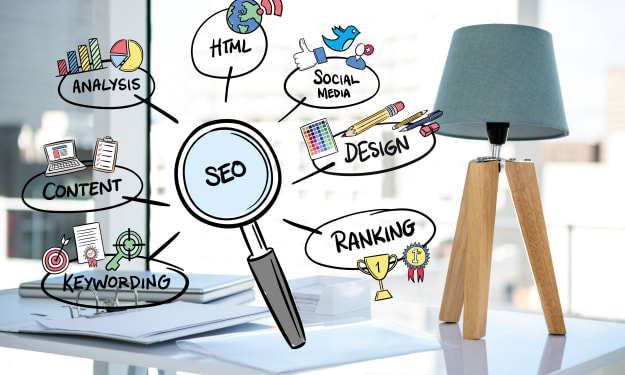
1. Search Engine Optimization (SEO)
SEO is the process of optimizing your website to rank higher in search engine results pages (SERPs). It involves on-page SEO (content and HTML source code optimization) and off-page SEO (backlinks and social signals).
Basics of SEO
• Keyword Research: Identify and use relevant keywords in your content.
• Quality Content: Create valuable, engaging, and informative content.
• Technical SEO: Ensure your website is mobile-friendly, has fast loading times, and uses secure connections (HTTPS).
2. Content Marketing
Content marketing focuses on creating and distributing valuable content to attract and engage a target audience. This content can be in the form of blog posts, videos, infographics, ebooks, and more.
Steps in Content Marketing
• Define Goals: Identify what you want to achieve (e.g., brand awareness, lead generation).
• Understand Your Audience: Know who you’re creating content for.
• Content Creation: Produce high-quality content that addresses your audience's needs.
• Distribution: Share your content through various channels like social media, email, and your website.
• Measure and Adjust: Use analytics to measure performance and adjust strategies accordingly.
3. Social Media Marketing
Social media marketing involves using platforms like Facebook, Twitter, Instagram, LinkedIn, and Pinterest to promote products or services.
Effective Social Media Strategies
• Choose the Right Platforms: Focus on platforms where your audience is most active.
• Consistent Posting: Maintain a regular posting schedule.
• Engage with Your Audience: Respond to comments, messages, and engage in conversations.
• Use Visual Content: Images and videos tend to perform better on social media.
• Paid Advertising: Utilize social media ads to reach a broader audience.
4. Email Marketing
Email marketing is the practice of sending targeted emails to prospects and customers. It’s a powerful tool for nurturing leads and encouraging repeat business.
Key Elements of Email Marketing
• Build a Quality List: Collect email addresses through opt-ins on your website, social media, and events.
• Segment Your Audience: Divide your email list into segments based on demographics, behavior, or interests.
• Create Compelling Content: Craft engaging emails with a clear call-to-action.
• Automate Campaigns: Use email marketing software to automate follow-ups and personalized emails.
• Analyze Results: Track open rates, click-through rates, and conversions to refine your strategy.
5. Pay-Per-Click (PPC) Advertising
PPC advertising involves paying a fee each time someone clicks on your ad. It’s a way to buy visits to your site rather than earning them organically.
Essentials of PPC
• Keyword Selection: Choose relevant keywords for your ads.
• Ad Creation: Write compelling ad copy and design eye-catching visuals.
• Landing Pages: Ensure your landing pages are optimized for conversions.
• Budget Management: Set a budget and bid for ad placements wisely.
• Performance Tracking: Use analytics to monitor ad performance and make necessary adjustments.
6. Affiliate Marketing
Affiliate marketing is a performance-based marketing strategy where a business rewards affiliates for each customer brought by the affiliate’s marketing efforts.
Steps to Start Affiliate Marketing
• Choose a Niche: Select a niche that aligns with your interests and expertise.
• Find Affiliate Programs: Join affiliate programs that offer products or services relevant to your niche.
• Promote Products: Use your blog, social media, or email list to promote affiliate products.
• Track Performance: Use tracking tools to monitor clicks, conversions, and earnings.
• Optimize Campaigns: Continuously optimize your marketing efforts to improve performance.
Getting Started with Digital Marketing
About the Creator
Navigating Economic Uncertainty with Strategic Property Investment
Economic uncertainty has become a constant presence in today’s financial landscape. From inflation and rising interest rates to global conflicts and supply chain disruptions, investors are increasingly concerned about protecting their assets and ensuring long-term financial security. Amid this volatility, real estate remains one of the most dependable investment vehicles. Its tangible nature, consistent income potential, and historical resilience make it a powerful tool for weathering financial storms.
By Accrue Real Estate7 days ago in Education


Comments
There are no comments for this story
Be the first to respond and start the conversation.