
How can seeing a psychologist improve your overall mental well-being?
Psychologist improve
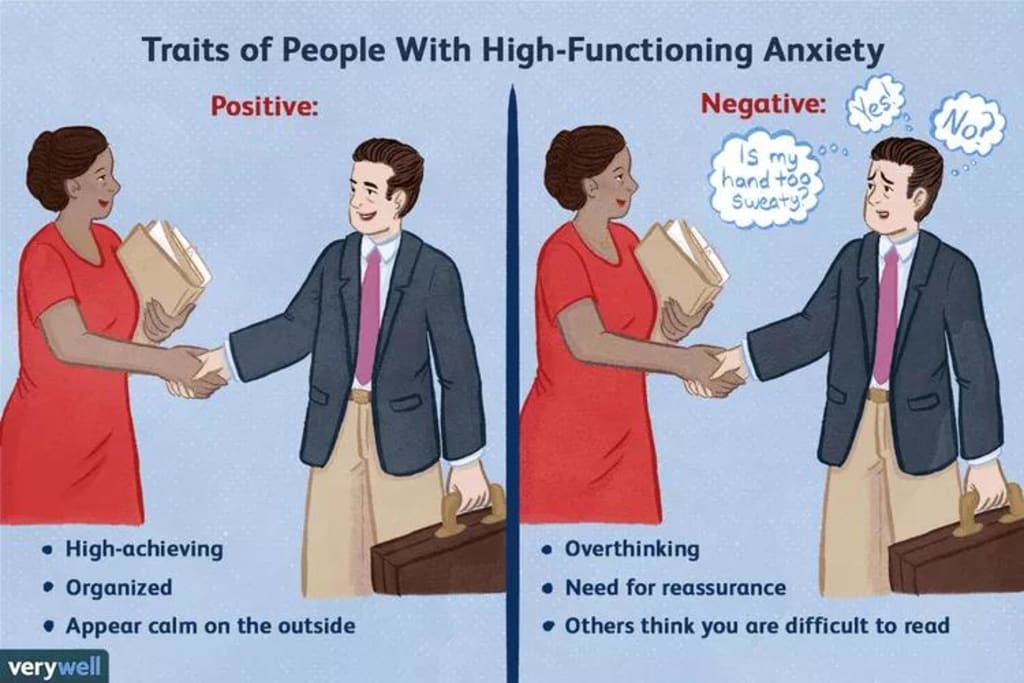
Mental well-being is not merely the absence of mental illness; it encompasses emotional stability, life satisfaction, resilience, and the ability to navigate daily challenges effectively. In our increasingly demanding world, maintaining good mental health is just as important as caring for our physical health. Yet, many people hesitate to seek help, often due to misconceptions about therapy or fear of judgment. Seeing a psychologist can be a transformative step toward greater emotional clarity, balance, and overall well-being.
A psychologist provides a safe, confidential space to explore your thoughts, emotions, and behaviors without fear of criticism. Through evidence-based therapeutic approaches, they help individuals identify patterns, overcome internal barriers, and develop healthier coping mechanisms. Whether you are struggling with anxiety, depression, stress, trauma, or simply feeling “stuck,” therapy offers personalized tools and strategies to improve your quality of life.
Understanding the Role of a Psychologist
Psychologists are trained mental health professionals who assess, diagnose, and treat a range of emotional, behavioral, and psychological difficulties. Unlike psychiatrists, who primarily prescribe medication, psychologists focus on psychotherapy—a structured process aimed at understanding emotional patterns and promoting lasting behavioral change. Their approach is collaborative, empowering individuals to take active steps toward healing and self-improvement.
At its core, therapy is not just for crisis situations. Many individuals seek psychological support to enhance self-awareness, improve relationships, manage stress, or cultivate personal growth. A psychologist provides objective insight, guiding clients to identify self-defeating patterns and replace them with healthier, more adaptive ones.
1. Developing Emotional Awareness and Insight
One of the most profound benefits of seeing a psychologist is increased emotional awareness. Many people suppress or avoid emotions like anger, sadness, or fear, often due to societal conditioning or fear of vulnerability. Over time, this emotional suppression can lead to anxiety, irritability, or physical symptoms such as fatigue and headaches.
Therapy provides a safe space to explore these emotions openly. A psychologist helps individuals identify what they feel and why, making it easier to process and manage emotions constructively. This self-awareness leads to healthier emotional responses, better communication, and improved interpersonal relationships.
2. Managing Stress and Anxiety More Effectively
Modern life often comes with constant demands—work deadlines, financial pressures, and personal responsibilities—that can lead to chronic stress. A psychologist helps clients identify sources of stress, understand their reactions, and learn effective coping techniques. Cognitive-behavioral strategies, relaxation exercises, and mindfulness-based interventions are commonly used to reduce anxiety and foster calmness.
Instead of being overwhelmed by stressors, therapy teaches you to approach challenges with perspective and composure. Over time, this reduces emotional reactivity, improves focus, and enhances problem-solving abilities—key components of long-term mental resilience.
3. Overcoming Depression and Low Self-Esteem
Depression and low self-esteem can make life feel empty and directionless. Individuals often internalize negative beliefs such as “I’m not good enough” or “Nothing ever works out for me.” These distorted thought patterns reinforce hopelessness and emotional pain.
Psychologists use evidence-based therapies such as Cognitive Behavioral Therapy (CBT) or Interpersonal Therapy (IPT) to address these issues. Through structured discussions, clients learn to challenge irrational beliefs, replace self-criticism with compassion, and recognize their strengths. Gradually, they regain confidence and a renewed sense of purpose. Therapy helps individuals realize that emotional pain is not a sign of weakness—it’s a call for understanding, acceptance, and change.
4. Healing from Trauma and Emotional Pain
Past traumas—whether from childhood, relationships, or distressing life events—can have lasting effects on mental health. Trauma can alter the brain’s stress response, leading to symptoms such as hypervigilance, flashbacks, or emotional numbness. Many people cope by avoiding memories or suppressing emotions, but this can perpetuate suffering.
A psychologist trained in trauma-informed therapy provides compassionate guidance to process and integrate these experiences safely. Techniques such as Eye Movement Desensitization and Reprocessing (EMDR), Somatic Therapy, or Narrative Therapy help individuals reframe painful memories, reduce emotional distress, and regain a sense of control. Healing from trauma doesn’t mean forgetting the past—it means freeing yourself from its grip on your present.
5. Improving Relationships and Communication Skills
Healthy relationships are a cornerstone of mental well-being. However, unresolved conflicts, communication breakdowns, or unhealed emotional wounds can create tension and distance between individuals. Psychologists help clients develop assertive communication, empathy, and boundary-setting skills that strengthen interpersonal connections.
Through individual or couples therapy, clients learn to express needs respectfully, listen without judgment, and handle disagreements constructively. This not only improves romantic or familial relationships but also enhances workplace dynamics and social interactions. Healthy communication fosters mutual respect and reduces misunderstandings—key ingredients for emotional harmony.
6. Enhancing Self-Understanding and Personal Growth
Therapy is also a journey of self-discovery. Many individuals enter therapy seeking relief from distress but emerge with deeper insights into their values, motivations, and goals. A psychologist encourages clients to explore identity-related questions such as “Who am I?” or “What truly matters to me?”
This process leads to greater authenticity and life satisfaction. When individuals understand their inner drives, they can make conscious decisions aligned with their values rather than reacting impulsively or living by external expectations. Therapy thus becomes a space for self-growth, helping individuals lead more intentional and fulfilling lives.
7. Building Coping Mechanisms for Long-Term Resilience
Life’s challenges are inevitable—but suffering doesn’t have to be. A psychologist teaches practical coping mechanisms to manage emotional distress, regulate mood, and prevent future mental health crises. These may include relaxation exercises, journaling, grounding techniques, and cognitive reframing.
Over time, these skills become internalized, empowering individuals to handle adversity independently. Resilience is not about avoiding pain; it’s about developing the emotional strength to recover and continue moving forward. Therapy builds this foundation by transforming vulnerability into empowerment.
8. Addressing Behavioral Issues and Lifestyle Habits
Sometimes mental distress is reinforced by unhealthy behavioral patterns such as avoidance, procrastination, substance use, or poor lifestyle habits. Psychologists use behavioral interventions to help clients recognize these cycles and develop healthier routines.
For instance, a person struggling with sleep issues due to stress might learn behavioral sleep strategies, while someone with social anxiety might practice exposure techniques to build confidence in social settings. These structured changes lead to lasting improvements in both mental and physical well-being.
9. Providing a Safe, Nonjudgmental Space
One of the most healing aspects of therapy is the unconditional acceptance psychologists offer. In a world where people often fear judgment, therapy becomes a refuge—a confidential space to express one’s deepest fears, doubts, and emotions.
This supportive relationship fosters trust, self-acceptance, and emotional healing. Knowing that someone is listening attentively and empathetically can be profoundly therapeutic, particularly for those who have felt unseen or invalidated in their personal lives.
10. Long-Term Impact on Mental and Physical Health
Psychological well-being is closely linked to physical health. Chronic stress, unresolved trauma, or persistent negative emotions can contribute to conditions such as hypertension, digestive issues, and weakened immunity. By addressing emotional stressors through therapy, individuals often experience physical improvements as well—better sleep, higher energy, and improved focus.
Moreover, long-term therapy helps individuals maintain emotional stability and prevent relapse of mental health conditions. It equips them with lifelong tools for managing change, uncertainty, and interpersonal challenges with confidence and calm.
Conclusion
Seeing a psychologist is not just about treating symptoms—it’s about transforming your relationship with yourself and the world around you. Therapy fosters insight, emotional regulation, and self-compassion, allowing individuals to live more authentically and resiliently. It helps you understand your mind, heal from past wounds, and embrace the present with clarity and confidence.
Mental well-being is a continuous process, not a destination. With professional guidance, individuals can learn to navigate life’s complexities with strength, balance, and purpose. Whether you are struggling with emotional challenges or simply seeking personal growth, consulting a psychologist is an investment in your long-term happiness and overall quality of life.
If you are looking for compassionate, evidence-based psychological care, the experts at Delhi Mind Clinic offer comprehensive therapy tailored to individual needs. Their holistic approach integrates emotional understanding, behavioral change, and stress management to support your journey toward mental wellness.
About the Creator
Keep reading
More stories from Naveen Garg and writers in Education and other communities.
How is therapy beneficial for individuals with chronic stress and burnout?
In today's fast-paced world, chronic stress and burnout have become increasingly common mental disorders. Stress is an adaptive mechanism to the pressures of life, which triggers the body's "fight-or-flight" response to help cope with immediate danger. However, when stress persists for weeks, months, or years with no adequate relief, it can then become chronic stress or burnout, worsening both mental and physical health. Burnout, frequently encountered in work or caregiving fields, presents as emotional exhaustion, decreased motivation, and ineffectiveness. While lifestyle changes and self-care are critical, therapy is an integrated and long-term means of dealing with chronic stress and preventing burnout.
By Naveen Garg3 months ago in Education
How Learning About Global Health Gives Early Impacts to Medical Students
Medical students begin forming their professional identities long before they enter residency, and early exposure to global health giving plays a decisive role in shaping those identities. While traditional training emphasizes diagnostics and clinical precision, global learning encourages students to understand the broader human context behind every medical decision.
By Dr. Seth Eidemiller4 days ago in Education
Why Do We Dream?
In the third millenium BCE, Mesopotamian kings recorded and interpreted their dreams on wax tablets. A thousand years later, Ancient Egyptians wrote a dream book listing over a hundred common dreams and their meanings. And in the years since, we haven't paused in our quest to understand why we dream. So, after a great deal of scientific research, technological advancement, and persistence, we still don't have any definite answers, but we have some interesting theories. We dream to fulfill our wishes.
By Munesh Yadava day ago in Education



Comments
There are no comments for this story
Be the first to respond and start the conversation.