
How Can Gadgets Help Students
Maximizing the Benefits of Technology in Education
Technology has made its way into almost every aspect of the life of a modern student. These electronic devices, which range from smartphones and laptops to tablets and smartwatches, have fundamentally altered the ways in which students learn, interact, and keep themselves organized. In this blog, we'll discuss the ways in which students can benefit from technology in their day-to-day lives, as well as the ways in which technology influences the overall educational experience.
Enhanced Capacity to Access Information
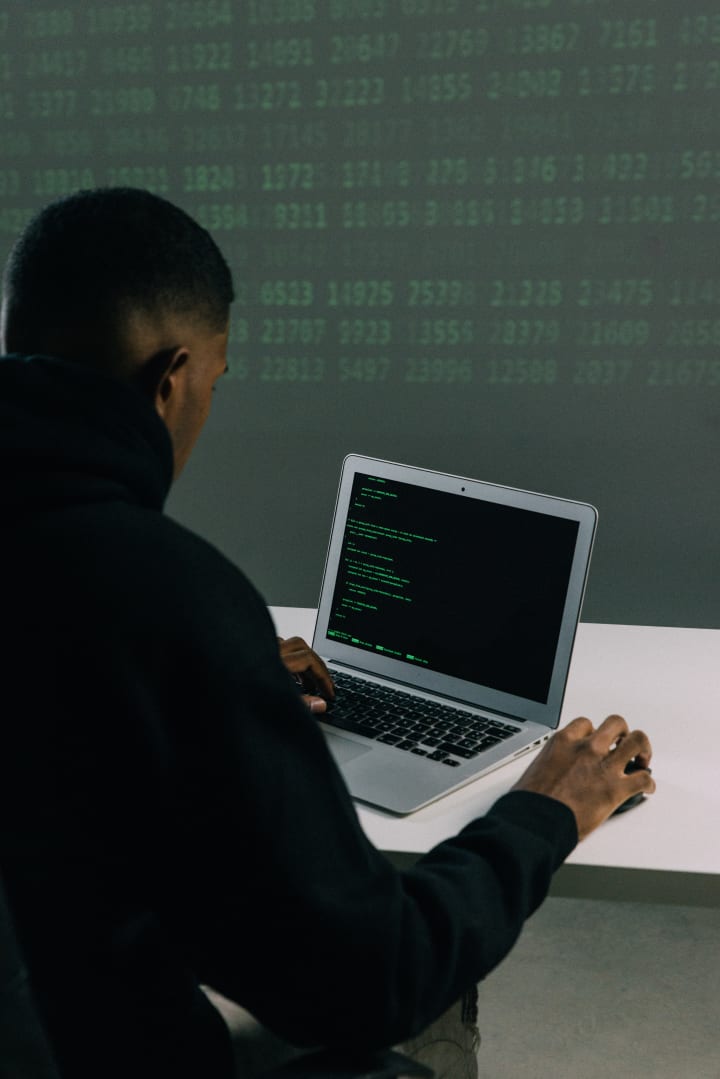
Students now have the ability to access information at any time and from any location thanks to portable electronic devices such as cellphones and laptops. Students may quickly and easily discover answers to their queries, investigate topics, and keep up-to-date with the latest news and advances in their profession with the assistance of the internet. Students also have the option of using various applications and online resources to assist their study and increase their overall comprehension of difficult subject matter.
Increased Teamwork and Cooperation

Students now find it much simpler to work on projects together and cooperatively because of the proliferation of various electronic devices. Students are able to work collaboratively on assignments, discuss ideas, and communicate with one another in real-time by using online programs such as Google Docs, Trello, and Asana, for instance. Students will have an easier time learning from one another and growing as a community if a virtual classroom environment that encourages teamwork and collaboration is created using the resources provided here.
Higher Level of Productivity

Students can better manage their time and keep on top of their obligations with the help of modern technologies such as smartwatches, computers, and cellphones. Students are able to construct to-do lists, set reminders, and better manage their schedules with the assistance of applications and online tools that are available today. Additionally, students have the ability to use productivity apps such as Evernote and OneNote to take notes, organize their thoughts, and maintain tabs on their progress in the course of their studies.
Enhanced Capabilities for Communicating

The way in which students connect with one another and with their teachers has been completely transformed as a result of the proliferation of various electronic devices. Students, for instance, have the ability to communicate with their teachers and classmates through the use of video conferencing platforms such as Zoom and Skype. These tools are not location-specific. Students will have an easier time participating in class discussions, asking questions, and contributing their views as a result of this. In addition, students are able to keep in touch with one another and interact in real time through the use of instant messaging applications such as WhatsApp, Slack, and Facebook Messenger.
Access to a Wide Variety of Educational Resources Online

Students have the ability to access a wide variety of online educational resources thanks to devices such as laptops and tablets. Students today have access to a plethora of material at their disposal, which can take the form of anything from free online courses and instructive films to interactive simulations and digital textbooks. In addition, students may access their digital textbooks and other educational resources using e-readers such as Kindle and Kobo, which makes it simpler for them to study when they are moving around.
Accessibility Enhancement for Students who Suffer from Disabilities
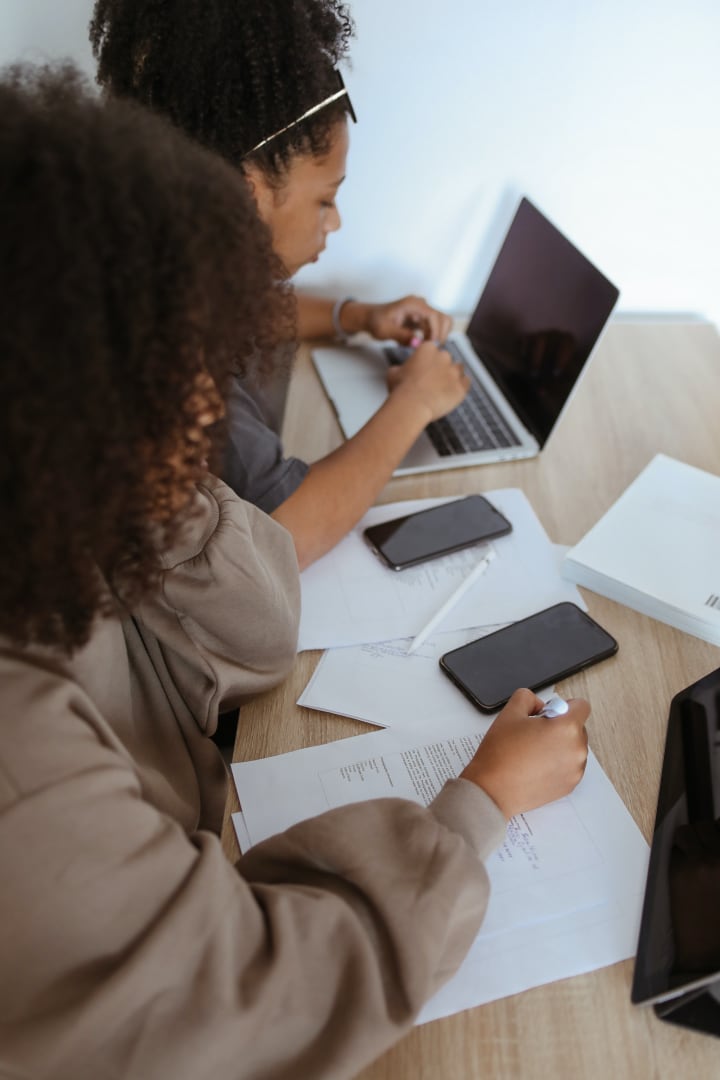
Access to information and participation in class can be made easier for students with disabilities by using assistive technology devices and screen readers, among other types of technology. Students with vision impairments, for instance, can read digital text using screen readers, while students with physical disabilities can utilize assistive technology devices to control their devices and access information in a more straightforward manner.
The Learning Experience Can Now Be Played Like a Game New technologies have made it possible to incorporate elements of play into the educational process. Students, for instance, can hone their abilities and further develop their comprehension of difficult subject matter by playing instructional games and participating in simulations. Students may find it simpler to remember material and maintain their motivation with the help of these games, which can make studying more interesting and enjoyable for them. In addition, the tools of virtual and augmented reality make it possible for students to completely submerge themselves in interactive learning experiences, so bringing topics to life in a manner that was not conceivable in the past.
Learning Experiences Tailored to the Individual
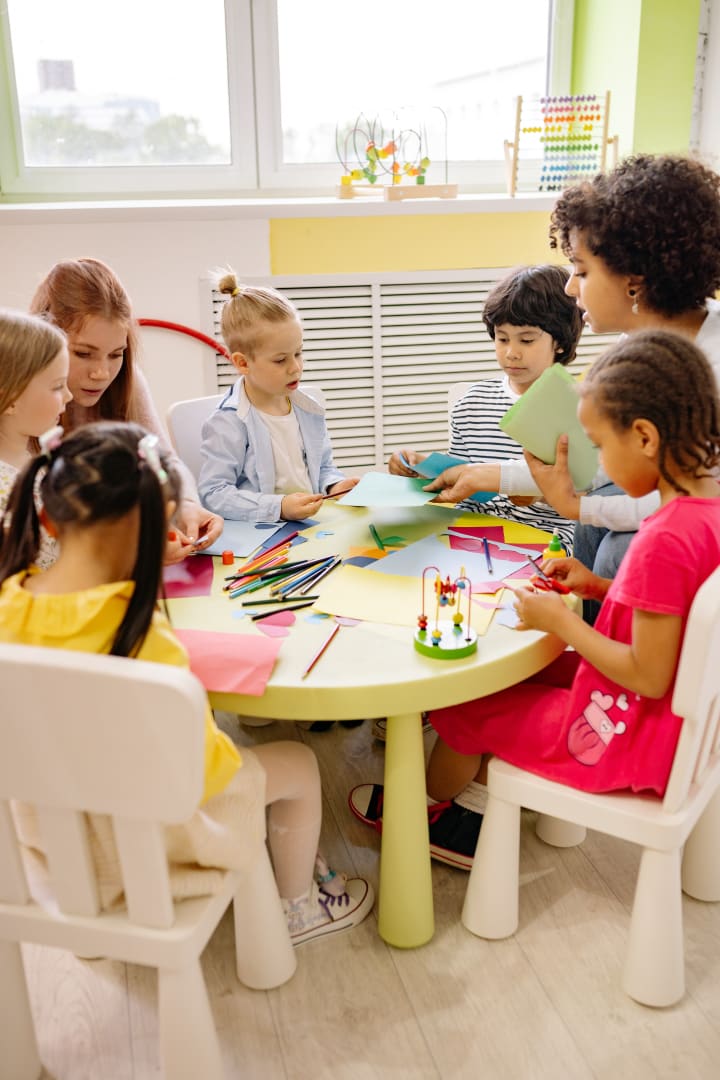
Students are now able to tailor their educational experiences to meet their unique requirements and interests, thanks to the proliferation of technological devices. Students, for instance, can gain access to educational materials that are suited to their individual skill levels and areas of interest by making use of learning management systems and other online resources. Students also have access to adaptive learning tools, which modify the level of difficulty of their coursework based on how well they are doing in it. These tools allow students to learn at their own speed and accomplish their objectives in a more efficient manner.
Increased Availability of Resource Access
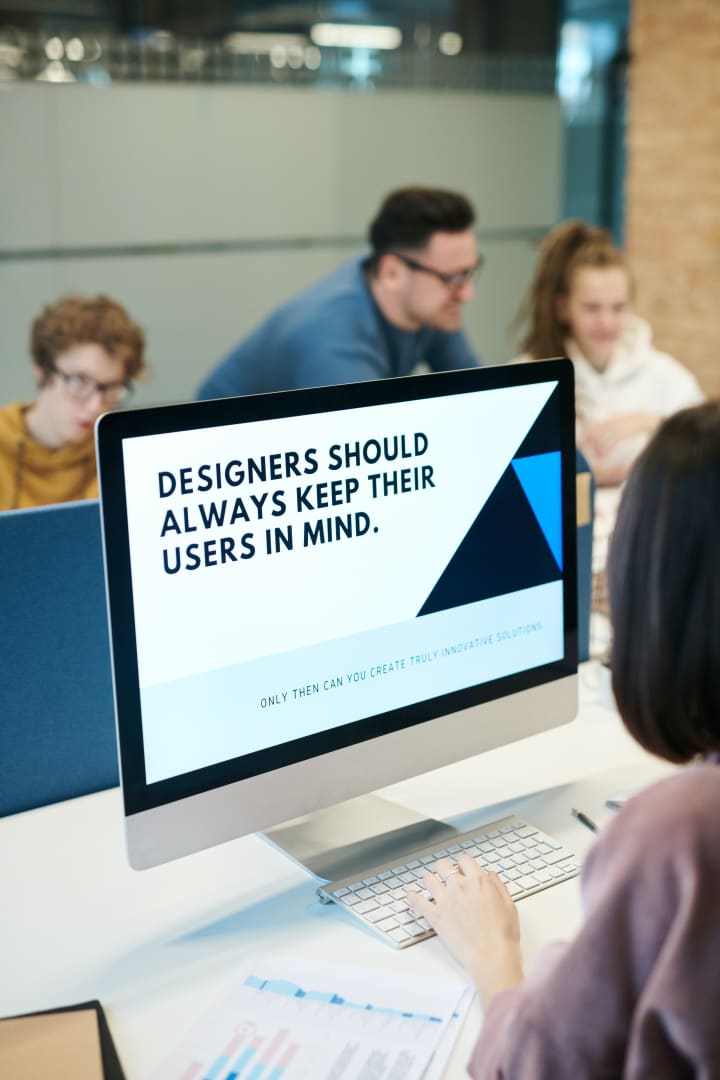
Students now have access to a large array of educational materials, such as online libraries, databases, and research journals, thanks to the proliferation of mobile devices such as smartphones and laptops. Students will have an easier time completing their homework and research projects, as well as keeping up with the most recent advancements in their respective fields, as a result of this making it easier for them to access the information they require.
Improved Capability in Digital Media

Because of the pervasiveness of computers, mobile devices, and other forms of technology, it is vital for students to be proficient in digital literacy. Students need to develop a variety of digital skills in order to be successful in the 21st century. These abilities range from learning how to use software and online tools to comprehend the significance of protecting one's privacy and security online. Students are able to develop the skills they need to be successful in the quickly changing digital landscape if they are taught how to make efficient use of various pieces of technology and equipment.
In conclusion, the use of various electronic devices has had a significant effect on the ways in which students study and engage with the outside world. Students all around the world are benefiting from an enhanced educational experience thanks to the increased accessibility of information and resources, as well as from more individualized learning opportunities and higher levels of digital literacy. Students can acquire the skills they need to be successful in a world that is becoming increasingly digital if they are willing to embrace technology and make full use of the tools and resources that are at their disposal.
About the Creator
Artis King
Studied Journalism and Criminal Justice at the University of Maryland at College Park. I cover health, finance, and lifestyle topics. I have a passion for helping my readers lead healthier and more financially secure lives.
Keep reading
More stories from Artis King and writers in Education and other communities.
The Negative Impact of Gadgets on Speech Development
As a society, we can no longer deny the significance of technology's influence. Our daily lives have been revolutionized by the widespread availability and pervasive use of portable electronic devices such as smartphones, tablets, and laptops. While these gadgets have made many things easier, they have also hampered our capacity for meaningful conversation. We'll discuss the effects of technological speech delays and some strategies for dealing with them in this blog post.
By Artis King3 years ago in Education
Breaking Down Private and Commercial Pilot Licenses
Taking flight is more than just a thrill; it can be a lifestyle or a full-fledged career. But before you can soar through the skies, you need to earn the appropriate pilot license. Two of the most common paths for aspiring aviators are the private pilot license (PPL) and the commercial pilot license (CPL). While both enable you to fly aircraft, they serve very different purposes and require varying levels of commitment. If you're deciding between the two, understanding the distinctions can help you make the right choice for your future in aviation.
By Jett Harris of Arkansasa day ago in Education
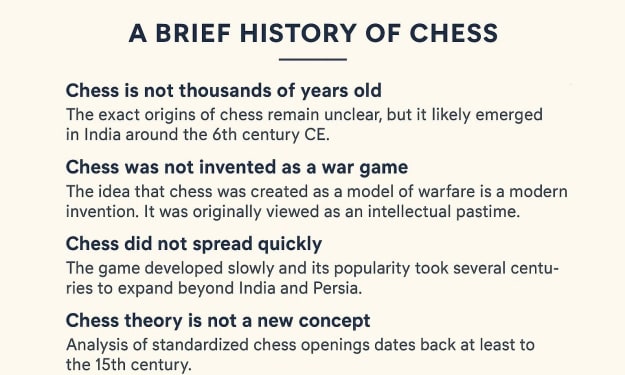
A brief history of chess
The attacking infantry advances steadily, their elephants already having broken the defensive line. The king tries to retreat, but enemy cavalry flanks him from the rear. Escape is impossible. But this isn’t a real war– nor is it just a game. Over the roughly one-and-a-half millennia of its existence, chess has been known as a tool of military strategy, a metaphor for human affairs, and a benchmark of genius. While our earliest records of chess are in the 7th century, legend tells that the game’s origins lie a century earlier.
By Munesh Yadavabout 9 hours ago in Education



Comments
There are no comments for this story
Be the first to respond and start the conversation.