
How brain strokes occurs?
How you can avoid brain stroke and remedies for i
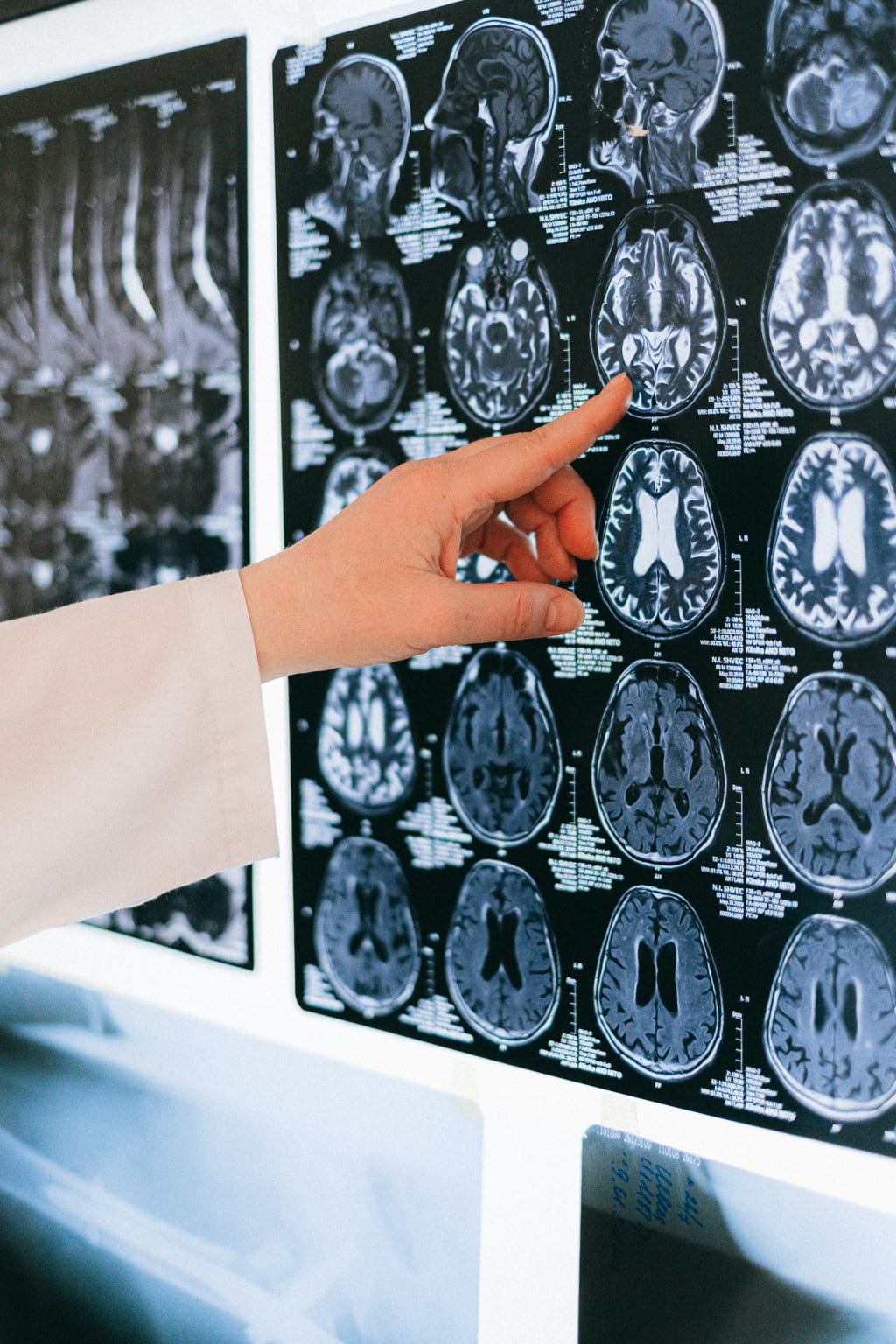
Brain Stroke
A brain stroke is one of the most severe medical conditions. It occurs when the blood stops flowing in your brain. When this occurs, your brain cells start to die (within a few minutes of the stroke). There are two types of strokes, one ischemic brain stroke, and hemorrhagic brain stroke. Ischemic strokes are the most common and happen mostly. They are caused due to blood clotting. That blood clot blocks a blood vessel in the brain. When a hemorrhagic stroke occurs, a blood vessel breaks and bleeds into the brain.
If you have a brain stroke, you might lose the ability to do your daily routine tasks that are being controlled by the damaged part of your brain. For instance, you may lose the use of an arm or leg. You might lose the ability to speak. This loss can be temporary or permanent. IMPORTANT NOTE: The earlier you get treatment after stroke symptoms start, the more chances your blood start flowing. if you get treatment in time you might prevent or avoid more damage. People who have had faced stroke might face brain stroke again. The risk is very high during the following year after your first stroke occur.
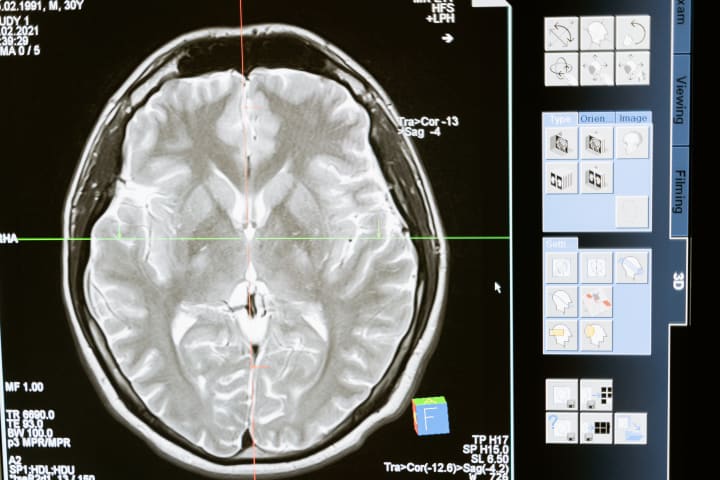
Symptoms of brain strokes
1 You can feel sudden weakness in your body
2 You might lose the visibility of one eye
3 Sudden headache start without any cause
4 Unable to walk properly or falling when you try to walk
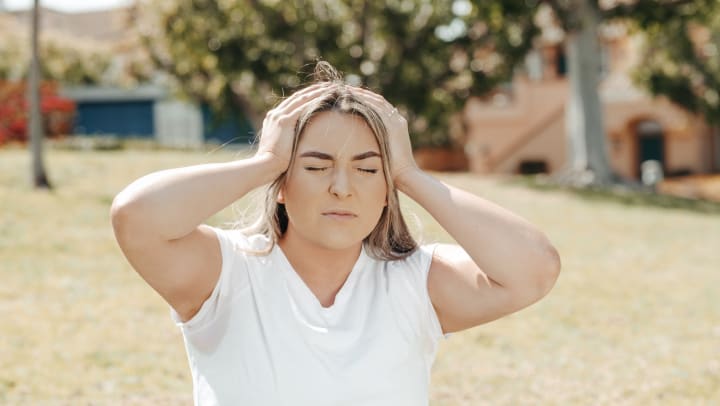
These factors might explain someone if he or she is facing a brain stroke.
Factors that contribute to severe brain stroke
There are many factors that might cause the brain stroke but one of the most important factors is blood pressure. Blood pressure can be controlled with proper treatment.
1 By Smoking
2 By over the age of 55
3 By uncontrolled diabetes
4 By overweight
5 By having high cholesterol

How brain stroke can be diagnosed
Immediate medical help is must necessary when a brain stroke occurs. The doctor might ask about the patient's health history and will prescribe medicine accordingly. The doctor will ask to examine your heartbeat and blood pressure level. If the doctor thinks you had a brain stroke, he might ask for more tests. Those tests might be the following:
Blood Test: A blood test will provide information to your doctor if the blood in your brain is clotting or not and if it is clotting then how quickly it is clotting and your blood sugar level is also important to avoid further damage.
Ct Scan: Computerized tomography scan of the brain is most important because it will tell about the brain condition whether it is a brain stroke or a tumor or other medical condition.
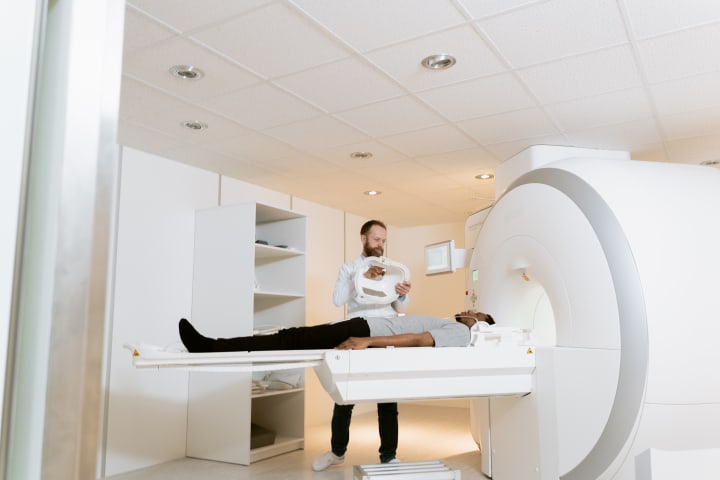
MRI Scan: MRI stands for Magnetic resonance imaging.MRI is a type of scan that helps your doctor to examine your brain and provide more information to your doctor. An MRI is much more sensitive enough to examine damaged brain tissues and bleeding if a brain stroke occurred. Sometimes, a dye is used for an MRI.
Carotid ultrasound: In this particular test sound waves are used to create a picture your carotid arteries in your neck. This test will help your doctor how well your blood is flowing through your carotid artery.
Transesophageal echocardiogram: An echocardiogram uses sound waves to give a clear picture of your heart to your doctor. An echocardiogram also scans and detects the reason and source of blood clots in your heart that have traveled to your brain and you faced stroke your stroke. In this test, a flexible tube is attached to a device that is inserted down your. This provides clear pictures of your heart and blood clots to your doctor.
How you avoid brain stroke
1 Abstain from alcohol intake
2 Do not smoke
3 Control your cholesterol level
4 Control your sugar level
5 Control your blood pressure level
6 Maintain a healthy weight
About the Creator
Keep reading
More stories from Jahanzaib Abbasi and writers in Education and other communities.
Top 5 summer fashion trends that will make you stand out
As you know summers are stated so it's a time you all should follow summer fashion trends that will make you stand out. In this season you all should enjoy bold colors, statement accessories, animal prints, crochet, and oversized blazers. These trends will gave you stand out in a crowd and turn heads wherever you go.
By Jahanzaib Abbasi3 years ago in Styled
From Despair to Hope: How Animal Rescue Efforts Rebuild Broken Lives
Animal rescue efforts stand as a powerful response to suffering that often goes unseen. Across towns, cities, and rural areas, animals face neglect, abandonment, injury, and fear every day. Many are left without food, shelter, or medical care. Others are harmed by abuse or natural disasters. Without help, their future is uncertain. Through patience, care, and action, animal rescue efforts transform despair into hope and give animals the chance to heal and live safely.
By Brenda McGrane4 days ago in Education



Comments
There are no comments for this story
Be the first to respond and start the conversation.