
How an HRMS System Streamlines HR Processes and Boosts Efficiency
HRMS

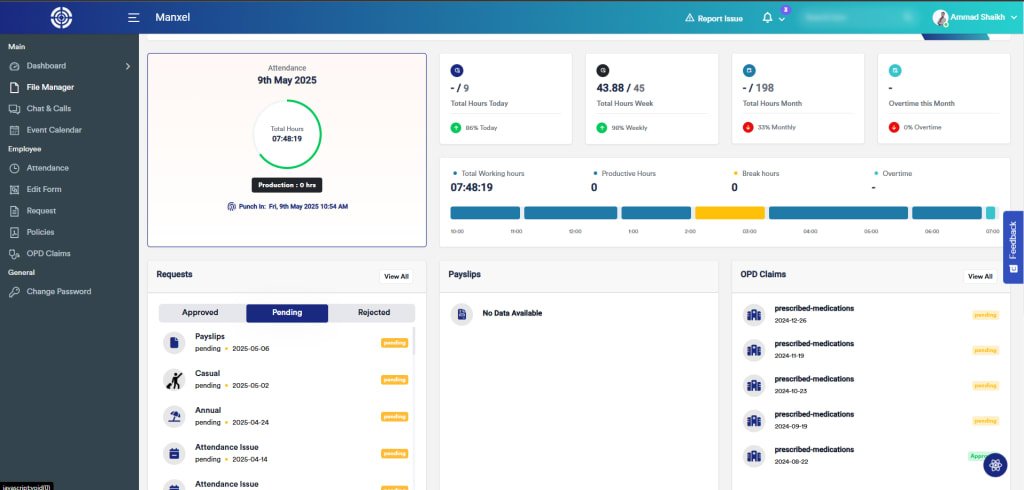
As companies grow, their HR needs become more demanding. Whether it's managing a global workforce or keeping up with changing labor laws, HR teams today must do more with less. That’s where a modern HRMS system steps in—helping organizations automate, organize, and optimize their people processes from end to end.
An HRMS (Human Resource Management System) does more than just streamline HR. It improves employee satisfaction, ensures compliance, supports data-driven decision-making, and saves countless hours of administrative work.
1. What Is an HRMS System and What Problems Does It Solve?
A HRMS system is a software solution designed to manage all human resource functions in one integrated platform. It simplifies everything from recruitment and onboarding to payroll, compliance, and training—eliminating the need for multiple tools or manual spreadsheets.
Common Problems HRMS Systems Solve:
Time-consuming admin tasks: Automates attendance, leave requests, payroll, and reports.
Disorganized employee data: Creates a centralized, searchable, and secure database.
Inconsistent recruitment processes: Streamlines candidate tracking and onboarding.
Manual payroll errors: Ensures accurate, automated salary calculations and tax deductions.
Limited employee visibility: Empowers teams with self-service access to their data.
Lack of compliance tracking: Ensures labor laws and reporting standards are met consistently.
An HRMS system is especially critical for organizations undergoing rapid growth or working in industries with strict regulations and large workforces.
2. Major Business Benefits of Using an HRMS System
HRMS systems deliver both immediate and long-term value across the entire organization.
A. Streamlined Operations and Higher Productivity
By automating day-to-day HR operations—such as attendance tracking, approvals, and payroll processing—an HRMS allows HR professionals to focus on strategy, not paperwork. This means better workforce planning, faster response times, and fewer bottlenecks.
B. Stronger Compliance and Risk Management
Labor laws are complex and constantly evolving. An HRMS system includes built-in compliance features that automatically update based on legal changes and generate audit-ready reports—saving your business from costly mistakes or penalties.
C. Improved Talent Acquisition
Modern HRMS platforms often include applicant tracking systems (ATS) that help filter resumes, schedule interviews, and manage hiring pipelines. This improves time-to-hire, candidate experience, and the quality of hires.
D. Better Employee Engagement and Retention
Self-service access to leave balances, payslips, and training materials builds trust and independence. Employees feel more in control of their careers, leading to higher engagement and lower attrition.
E. Accurate Reporting and Real-Time Analytics
A robust HRMS system provides real-time dashboards on key metrics like employee turnover, salary costs, overtime hours, and productivity. These insights help HR and leadership teams make more informed, strategic decisions.
F. Scalability for All Sizes of Business
Whether you’re a 10-person startup or a 10,000-employee enterprise, an HRMS system can grow with you. Add modules as needed, expand across departments or locations, and manage everything from one centralized system.
3. How to Choose and Deploy the Right HRMS System
Choosing the right HRMS system is crucial—it needs to be user-friendly, customizable, and aligned with your company’s current and future needs.
A. Assess Your Current HR Challenges
Identify where your existing processes are failing. Are you struggling with manual payroll errors? Missing deadlines for compliance? Or overwhelmed by hiring needs? Knowing your pain points will help guide feature selection.
B. Define Core Features and Must-Haves
Depending on your goals, look for features such as:
Attendance and leave management
Mobile accessibility
Recruitment tools
Payroll and tax compliance
Performance appraisal modules
Learning & development integration
C. Compare Vendors and Platforms
Don’t just compare pricing. Consider:
Ease of use for both HR and employees
Cloud-based vs. on-premise options
Support and training services
Customer reviews and case studies
Integration with existing software (finance, ERP, etc.)
Request live demos and ask for a trial version to test functionality with your team.
D. Plan for Training and Change Management
Introduce the new system with clear internal communication. Offer training to both HR teams and employees. Address concerns and ensure that the system is easy to access and understand.
E. Monitor, Evaluate, and Optimize
Once your HRMS system is live, evaluate its performance regularly. Use built-in analytics to monitor adoption, system usage, and efficiency gains. Continually refine your workflows based on feedback and evolving needs.
Conclusion: Why Every Business Needs an HRMS System
As work becomes more remote, teams become more diverse, and compliance becomes more demanding, organizations must rely on smarter systems to manage their people. A modern HRMS system is not just a convenience—it’s a necessity for companies aiming to grow, stay agile, and retain top talent.
About the Creator
Ejaz Hussain
Email marketing | SEO |Blog
Keep reading
More stories from Ejaz Hussain and writers in Education and other communities.
HRMS System: Building Smarter Organizations Through Automation
As companies grow, their HR needs become more demanding. Whether it's managing a global workforce or keeping up with changing labor laws, HR teams today must do more with less. That’s where a modern HRMS system steps in—helping organizations automate, organize, and optimize their people processes from end to end.
By Ejaz Hussain9 months ago in Education
The Overlooked Consequences of Weak Healthcare Program Planning
Healthcare programs are created to expand access to care, improve patient outcomes, and strengthen public health systems. Governments, hospitals, nonprofits, and health organizations invest significant resources into developing programs that address disease prevention, treatment, and community wellness. When these initiatives are carefully planned and strategically executed, they can transform healthcare delivery and improve the quality of life for entire populations.
By Evyatar Nitzany6 days ago in Education
10 Best AI Agent Development Companies Transforming Business Operations
Imagine having a smart assistant that can handle complex tasks, make decisions, and learn independently. That's what AI agents do for businesses today. These are not just chatbots. They are advanced software programs designed to perform specific tasks intelligently and on their own. From automating IT support to improving software development, AI agents are becoming essential tools for companies looking to increase efficiency and drive innovation.
By Jamika Wilkerson3 days ago in Education



Comments
There are no comments for this story
Be the first to respond and start the conversation.