
Homemade Rasgulla Recipe: A Delightful Indian Dessert
A Delightful Indian Dessert
Introduction
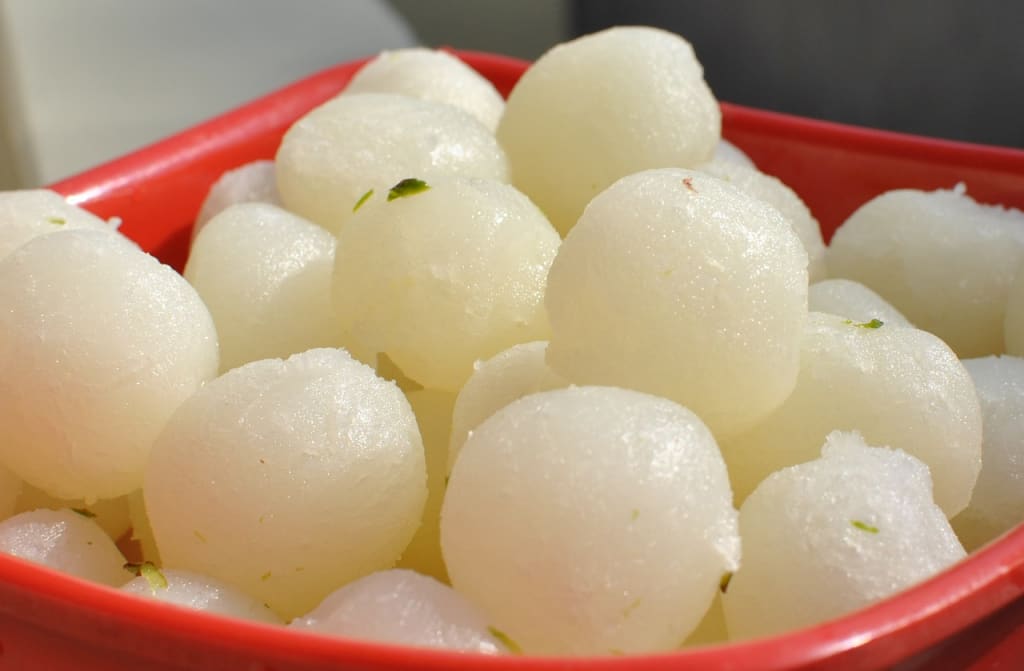
Rasgulla is a beloved Indian dessert that has been cherished for generations. Soft, spongy, and sweet, it is a treat that brings joy to every occasion. Making rasgullas at home is not only a rewarding culinary experience but also a chance to create a sweet memory with your loved ones. In this article, we'll provide you with a simple and human-friendly rasgulla recipe that is sure to please your taste buds without raising any help.
Ingredients:
For the Rasgulla Dough:
1 liter of full-fat milk
2 tablespoons of lemon juice or white vinegar
3 cups of ice cubes
2 cups of granulated sugar
4 cups of water
1/4 teaspoon of cardamom powder
A pinch of saffron strands (optional)
Instructions:
Preparing the Chenna (Paneer):
Begin by bringing the milk to a boil in a heavy-bottomed pan over medium heat.
Once it starts boiling, add the lemon juice or white vinegar. Stir gently until the milk curdles and separates into curds and whey. This should take a few minutes.
Turn off the heat and strain the curds through a muslin cloth or a fine sieve. Gather the cloth and squeeze out the excess whey. Rinse the chenna under cold water to remove any lemon or vinegar residue.
Making the Rasgulla Dough:
Place the chenna on a clean surface and knead it well for about 8-10 minutes until it becomes smooth and no longer sticks to your hands.
Divide the chenna into small, equal-sized balls, rolling them between your palms to make smooth, crack-free balls.
Preparing the Sugar Syrup:
In a wide and deep pan, add sugar, water, cardamom powder, and saffron strands (if using). Bring it to a boil over medium-high heat.
Once the sugar has dissolved completely and the syrup starts boiling, gently slide in the chenna balls one by one.
Cooking the Rasgullas:
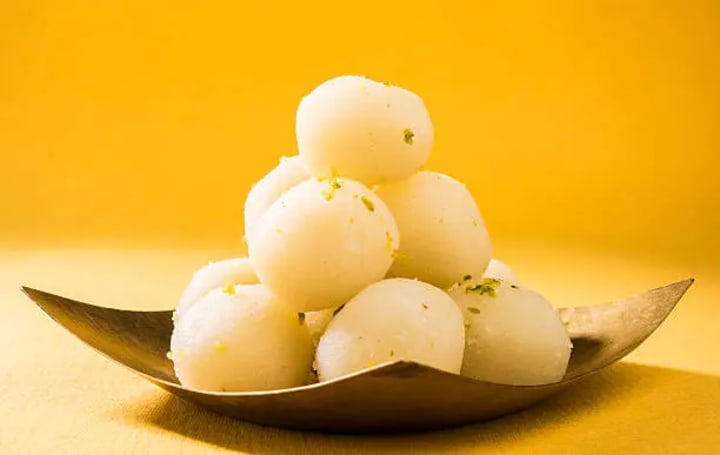
Cover the pan and let the rasgullas cook on medium heat for about 15-20 minutes. Avoid stirring during this time, as it may break the delicate rasgullas.
Check occasionally to ensure they are cooking well and puffing up. You can gently rotate the pan to move them around.
Testing for Doneness:
After 15-20 minutes, the rasgullas should have doubled in size and become spongy. To check if they are cooked through, drop one rasgulla into a bowl of water. If it sinks to the bottom, it's not ready. If it floats on the surface, it's done.
Cooling and Serving:
Once the rasgullas are cooked, remove them from the sugar syrup and let them cool for a while.
You can serve them warm or at room temperature, garnished with some saffron strands if desired.
Conclusion
Making rasgullas at home is a delightful experience that allows you to savor the authentic taste of this beloved Indian dessert. With the provided human-friendly recipe, you can create soft, spongy rasgullas that will surely impress your friends and family.
So, go ahead and indulge in the sweet pleasure of homemade rasgullas without any hellp . Enjoy!
Certainly, here's the nutritional information for homemade rasgullas based on the provided recipe. Please note that these values are approximate and can vary depending on factors such as the size of the rasgullas and the specific brands of ingredients used.
Nutritional Information (per serving, assuming 8 servings):
Calories: 250 kcal
Total Fat: 4g
Saturated Fat: 2g
Trans Fat: 0g
Cholesterol: 15mg
Sodium: 30mg
Total Carbohydrates: 48g
Dietary Fiber: 0g
Sugars: 46g
Protein: 6g
Nutritional Benefits:
Protein: The chenna (paneer) in rasgullas is a good source of protein, which is essential for muscle repair and overall body function.
Calcium: Milk-based desserts like rasgullas are rich in calcium, promoting healthy bones and teeth.
Energy: Rasgullas provide a significant amount of calories, making them a quick source of energy.
Low Fat: While they are a sweet treat, rasgullas are relatively low in fat, making them a better dessert choice compared to many other options.
Low Sodium: The recipe contains minimal sodium, making it suitable for individuals on a low-sodium diet.
No Dietary Fiber: Rasgullas are not a significant source of dietary fiber, which aids digestion, so consider balancing your meal with fiber-rich foods.
Sugar Content: Rasgullas are high in sugar due to the sugar syrup used in their preparation. It's essential to consume them in moderation, especially if you have diabetes or are watching your sugar intake.
Remember that portion size and the number of rasgullas consumed can significantly impact the nutritional values. Enjoy rasgullas as an occasional indulgence rather than a daily treat to maintain a balanced diet
click to make more recipes
click here
About the Creator
Keep reading
More stories from Sonu Kumar and writers in Education and other communities.
Generosity Without Boundaries: Advancing Equity Through Philanthropy
Philanthropy has always played a meaningful role in shaping societies and improving the lives of individuals in need. From supporting educational programs to funding healthcare initiatives, acts of giving have helped communities overcome many challenges. In today’s diverse world, however, philanthropy is taking on a deeper purpose. It is increasingly focused on equity—ensuring that resources and opportunities are distributed fairly among people from different backgrounds and circumstances.
By John Olin Killgore3 days ago in Education



Comments (1)
My fav!