
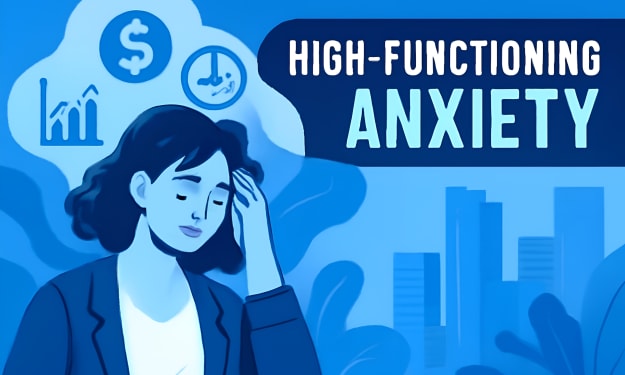
High-Functioning Anxiety: Signs, Causes & How to Manage It
Symptoms, Origins, and Treatment Notice the signs of calm worry - what triggers it, along with practical methods to manage tension through everyday fixes that help keep your thoughts steady.

Author name: Mr. Ali
Introduction
At first glance, life might seem fine, but worry often lurks behind the scenes. A busy calendar hides what is really going on. Calm surfaces usually cover restless minds. This tension persists - quiet but ever present. Progress slows down because focus gets split. Emotions take hits even when everything seems under control. Looks can fool people easily.
Describe high-functioning anxiety.
Though doctors could not consider it a disease, many individuals battle it daily. Your mind is constantly racing, even though you seem calm and in control. Usually, those who are like you achieve their goals, stick to their plans, or radiate confidence. Inside, however, ideas come and go quickly; stress builds over time; doubt never goes away; and one worry lingers.
Some people carry quiet stress while pushing ahead, driven by restlessness and constantly on edge. It feels endless: busy but worn out. Full calendars hide what is going wrong. Those around might miss it - or get lost in their own mess. Usually, exhaustion is often overlooked until it becomes noticeable.
Signs of High-Functioning Anxiety:
The hints of high-functioning anxiety can stay hidden - mostly since they seem good on the surface.
A person can look okay from the outside, yet feel jittery deep down. Even when things go well, their minds keep racing. There is a nagging sense that something's missing - perhaps an unfinished task or warning signs nearby. Winning does not bring lasting ease; instead, it slips away, replaced by new worries.
Aiming for perfect results often emerges when stress lies beneath the surface. One might go nonstop trying to get everything just right. Mistakes feel like disasters, but praise? It hardly sticks around. Instead of feeling good about progress, it is always about chasing what is next.
Have a hard time refusing things? It is obvious when it happens. You might take on extra tasks - afraid to disappoint others or seem unhelpful. This leads to exhaustion, even with the best motives. Over weeks, stress builds without relief.
Life outside of work becomes chaotic. Yet peace feels odd - like it is useless. When unwinding, thoughts stick to chores anyway, slowlygoing down? Seems more like something earned than given.
Folks dealing with quiet anxiety often feel it in their bodies. Tiredness, a dense headache, tight neck muscles, or gut troubles - these pop up when emotions are held back too long. Thoughts slip out as physical discomfort when they do not come out in words.
Reasons for Anxiety with High Functioning
Thoughts spinning in your mind or events piling up outside can fuel those nagging worries. While one stirs confusion, the other adds pressure - both push you forward in some way.
Some people attribute their greater sensitivity to stress to their genes. Nerves fire faster, but that does not necessarily make them delicate. While stressful circumstances can feel more difficult, this quality does not always cause anxiety.
Life troubles matter just as much. Work stress, relationships, financial problems, or caring for someone can keep your mind focused on solving issues. When tension stays too long, anxiety begins seeming like how you are meant to feel.
Peer expectations matter - certain groups care about speed just as much as they do about flawless results. Rather than racing ahead, folks tend to compare their progress with friends', usually by scrolling through devices. Checking other people's highlights online adds to the tension, pushing you to be tougher on your own efforts. Research linking phone use to feelings shows that constant comparisons wear down mental ease.
Looking ahead, conversations around mental well-being in 2025 suggest that rapid changes, sudden surprises, or overwhelming information streams are piling on the pressure. Given those broader trends, stepping back seems dangerous - almost as if you are skipping a key moment.
Past pain - or emotions tucked away - can stir worry, even when you look okay. Since doing well once meant feeling secure or cared for, pressure today mixes up your sense of self with just getting by.
How to Handle Anxiety That Is High-Functioning.
Overcoming great anxiety does not call one to abandon ambitions or goals. Instead, it changes the instinct that propels you forward.
Mindfulness calms your nerves by helping you focus with deliberate breathing. Watch your feet hit the ground instead of hurrying; this signals to your body that it's okay to unwind. Tension does not necessarily stay around. Consider a short stop; it automatically restores your system.
Firm limits help to maintain stability in life. It is about knowing your work hours, how often people can reach you, or how much emotional energy you share—saying no frees up mental space, allowing attention to be directed to what really matters.
Seeing a professional could simplify your life. Therapy helps individuals recognize anxious thoughts while revealing feelings that may be hidden deep within. Talking with an expert takes the weight off shoulders that have carried it alone.
Be gentle with yourself - everything shifts because of that. Notice how you talk inside when life feels heavy. Trade harshness for patience whenever you can. Progress moves faster with care leading, not force pushing.
High-functioning anxiety does not scream - instead, it hums with each move you take. Yet it remains, hanging low beneath everything.
Benefits of Managing High-Functioning Anxiety:
When you manage high-functioning anxiety, daily tasks flow better - plus they seem easier to tackle.
Stress melts once your body stops staying on high alert. However, healing occurs more quickly, meaning that hard times do not drain you as much.
Focusing feels lighter once the noise inside slows down. Thoughts untangle, less cluttered, so you step forward with care rather than sprinting ahead unquestionably.
Friendships improve along the way. Staying present helps words come out smoother - so you open up more, free from inner pressure. Without constant worry, taking control allows connections to deepen as emotions move freely.
Handling anxiety builds tougher individuals, which can strengthen families - possibly improving whole communities over time.
How High-Functioning Anxiety Affects Daily Life.
Worries quietly shape your day - without you even noticing.
At work, it sometimes manifests as excessive workload, fear of errors, and challenges with task assignment. You might push past tiredness, thinking rest has to be earned. This ultimately leads to burnout and a decline in innovation.
Working hard can lead to burnout when you continually push without rest, as if downtime is not allowed unless it is earned. Over time, this drains your spark and clouds clear thinking. You may cling to duties, fear mistakes, or do it all nonstop. Skipping pauses feels routine instead of risky.
In relationships, anxiety can create distance. Keeping stress to yourself may seem like a form of control, yet it makes understanding more challenging for others or leaves them unsure about how to step in.
Daily schedules feel hurried even during quiet times. Still, your thinking usually drifts ahead rather than remaining in the present. Gadgets draw you continually; continuous scrolling causes stress while thinning attention.
If you leave it alone, significant health issues may arise later. Ongoing worry often leads to sleepless nights, weaker defenses, digestive mess - on top of that, stress on your heart. Your body begins to scream back when feelings have been suppressed for years.
Tips for Preventing High-Functioning Anxiety
Although tension occasionally arises, certain routines can help alleviate it - such as swapping chaos for brief pauses or trading a rush for steady breaths.
Begin by setting aims you can truly hit. Hoping for extra is fine - though unreachable ones add pressure. Progress matters far more than perfection.
Take care of yourself daily, with no excuses. Sleep fills your tank - eat right so you do not crash. Shifting your body helps thoughts flow, not just muscles. Downtime is not extra - it is non-negotiable. Think of them as tune-ups - they stop your brain from glitching.
Notice small red flags. Shifts in rest, feelings, or drive may indicate that stress is building up. Spotting them sooner helps you act fast.
Take short stops now and then during your day. A quick pause can calm your nerves - plus it keeps stress from piling up later.
When to Seek Help for High-Functioning Anxiety:
Seeking outside help is logical, as occasionally, what you do on your own falls short.
Getting help is crucial if you are fighting rising symptoms of high-functioning anxiety. Never brush off feelings that have gone flat, panic strikes, or never-ending worry.
Typically, they point to chronic headaches, fatigue, or digestive issues that remain unanswered.
If concern is preventing you from working, maintaining relationships, or living your daily life, seeking professional help can help you clear your mind and reduce stress.
Mental health specialists can give prescriptions, offer talk sessions, or lead stress management. With an expert leading the way, locations such as ketones might be investigated for severe anxiety.
Asking for support is not a flaw. You don't have to let hidden stress take over your life. Once you notice it, get help, make small shifts bit by bit - being effective does not mean always feeling stretched.
High-functioning anxiety clues you might have, how it shows up in daily life, and ways to handle anxious thoughts. Quiet struggles no one sees when needing control backfire. Small steps to feel better, juggling pressure without breaking down, and healing after hitting a wall at work. Stress that persists in your job can keep your emotions steady over time. What actually helps when panic creeps in is noticing things before they get worse.
About the Creator
Keep reading
More stories from Sabz Ali Khan and writers in Education and other communities.
High-Functioning Anxiety: The Hidden Struggle of the Successful
By Mr.Ali Think about a duck on a pond. From above, it looks calm, gliding smoothly and gracefully. But look underneath: its little feet are paddling like crazy just to keep that calm appearance. This is the perfect picture of high-functioning anxiety. You might look successful, totally organized, and like you have it all figured out, but inside, you feel like you are paddling frantically, worried that if you stop, everything will sink. For anyone focused on personal growth and self-care, understanding this hidden stress is the first step toward real peace.
By Sabz Ali Khan29 days ago in Education
Misplaced Optimism: A Year of Accountability Promised — and Withheld at LAUSD
“We must hold the Superintendent accountable” – Karla Griego (2024) Ten years ago, I ran for a seat on the LAUSD Board of Education to change the district I believed was failing its students, especially those with Special Education needs. My opponent was Tamar Galatzan, an entrenched incumbent who was backed by the charter school industry. I achieved the lowest cost per vote, just 69 cents, in the entire city during that election cycle. While it wasn’t enough to win the seat, our campaign helped knock Galatzan out of office. This helped to clear a pathway for change and raised expectations that accountability might finally follow.
By Carl J. Petersena day ago in Education



Comments
There are no comments for this story
Be the first to respond and start the conversation.